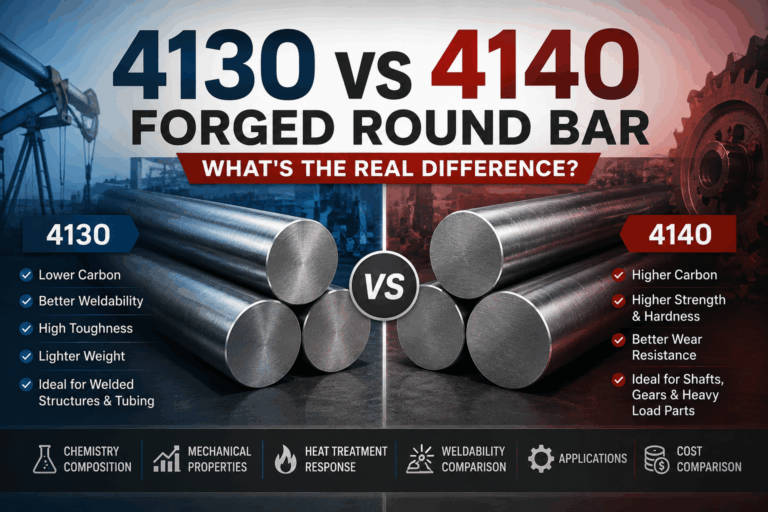

Welcome to My Blog!
Before we dive into the content, I’d love for you to join me on my social media platforms where I share more insights, engage with the community, and post updates. Here’s how you can connect with me:
Facebook:https://www.facebook.com/profile.php?id=100087990137347
LinkedIn:https://www.linkedin.com/company/89825762/admin/dashboard/
YouTube:www.youtube.com/@carbonsteelsupply-kj9lw
TikTok:www.tiktok.com/@carbonsteelsupply
Now, let’s get started on our journey together. I hope you find the content here insightful, engaging, and valuable.
Table of Contents
Введение
When you need structural reliability, durability, and performance, high strength alloy steel stands out as the go‑to material. Used in industries from forging and heat treatment to surface finishing and logistics, this special steel keeps equipment running longer and stronger. In this article, we break down what makes it exceptional and why it’s worth your attention.
What Defines High Strength Alloy Steel
At its core, high strength alloy steel is a metallurgical blend crafted to outperform standard carbon steel. Elements like chromium, molybdenum, nickel, vanadium, and tungsten are carefully added and balanced. The result is metal that resists deformation, tolerates heavy loads, and copes better with impact and wear. Typically, this steel has a yield strength above 250 MPa, delivering that extra edge in demanding conditions.
Mechanical and Chemical Advantages
According to industry research, alloying elements significantly improve resistance to heat, corrosion, abrasion, and fatigue. For example:
- Chromium and molybdenum increase tensile strength and high-temperature performance
- Nickel and manganese boost toughness and durability
- Vanadium and tungsten refine grain structure, raising hardness and wear resistance
- Silicon and copper help resist corrosion and oxidation
These enhancements make it suitable for high-pressure fittings, heavy-duty machinery parts, and long-life components.
Comparing Grades and Properties
Here’s a table outlining typical characteristics of common high strength alloy steel grades:
| Grade Type | Yield Strength (MPa) | Toughness | Corrosion Resistance | Typical Uses |
|---|---|---|---|---|
| HSLA (high-strength low-alloy) | 250–550 | High | Moderate | Ship hulls, automotive, structural frames |
| Medium-carbon alloy | 400–800 | Medium | Low | Shafts, gears, heavy shafts |
| Tool or low-alloy steel | 600–1200 | Varies | Poor–Moderate | Cutting tools, dies, molds |
| Ultra-high strength | 1000+ | Variable | Specialized | Aerospace parts, armor, high-pressure systems |
This comparison helps you choose the right material based on your application needs.
Benefits in Real-World Applications
- Structural Integrity under Load
Used in forging products and machine components, this steel sustains heavy stresses with minimal deformation. - Wear and Fatigue Resistance
Better resistance means longer service life in rollers, gears, shafts, and heavy equipment. - Temperature Stability
With high alloy additions, components maintain strength at elevated temperatures—ideal for heat-treated or hot-worked parts. - Corrosion Protection
When alloyed properly, it withstands oxidation and mild corrosion better than standard steel. - Efficient Lifecycle Costs
Though initially more expensive, it often costs less over time due to fewer replacements, less maintenance, and improved performance.
Key Applications Across Industries
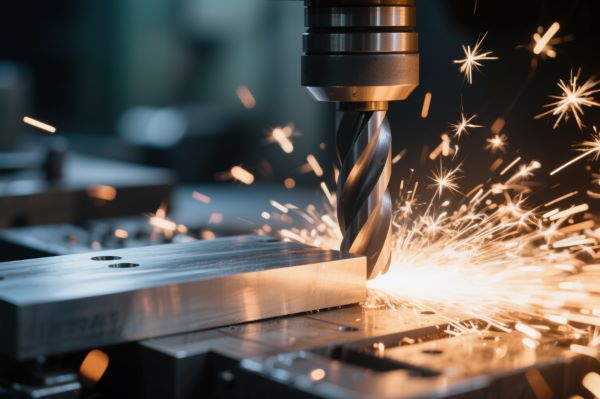
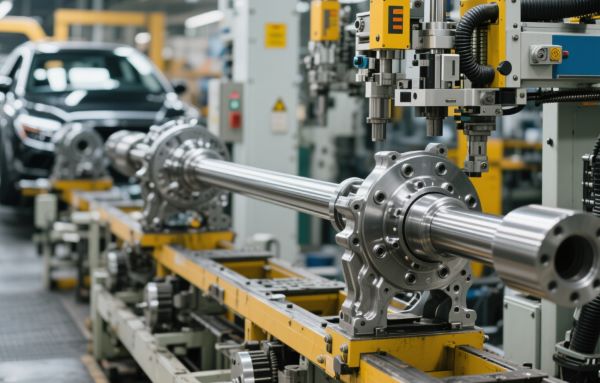
- Forging and heat processing: Crucial components like dies and molds hold up under repeated stress and heat cycles.
- Automotive and transport: Shafts, frames, and structural parts benefit from strength-to-weight efficiency.
- Construction and infrastructure: Beams, supports, and bridge elements are built to last decades.
- Oil and energy sector: High-pressure valves, tubing, and offshore structures rely on strength and corrosion resistance.
- Heavy machinery and mining: These steels stand up to wear in crushing, grinding, and load-bearing tools.
Заключение
Choosing high-strength alloy steel means choosing longevity, safety, and toughness. Whether you’re forging parts that must withstand high temperatures or building heavy infrastructure, this steel delivers unmatched performance. Its lifecycle benefits make it a smart investment for long-term operations.
If you’re ready to explore options that fit your needs – then partner with Qilu Steel, a full-service provider that offers one-stop solutions.
ЧАСТО ЗАДАВАЕМЫЕ ВОПРОСЫ
What is considered “high strength” in alloy steel?
Typically, it refers to steels with yield strength exceeding 250 MPa, such as HSLA and advanced low-alloy grades.
Is high strength alloy steel weldable?
Yes, but careful procedure is essential. Preheating and matched filler metals ensure weld quality.
Does it resist corrosion like stainless steel?
Not as well. Alloy composition can add moderate corrosion resistance, but protective coatings may still be needed.
Can I use this steel for food equipment?
Surface finishes are more important than alloy grade in food applications. Stainless steel is often preferred.
How does its cost compare to standard steel?
It has a higher upfront cost, but long-term savings come from reduced weight, longer lifespan, and less maintenance.