Q235A steel is a low-carbon structural steel from China, governed by the GB/T 700 standard. Part of the Q235 steel family, it is known for its A-grade quality, versatility, low cost, and ease of processing. This steel is widely used in construction, manufacturing, and industrial applications. In this article, we will explore its key characteristics, advantages, limitations, and common uses, along with answering frequently asked questions.
Table of Contents
What is Q235A Steel?
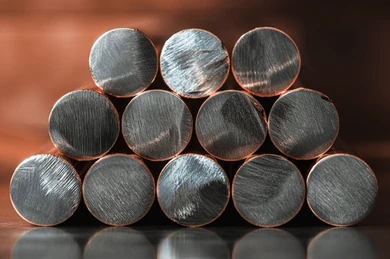
Q235A steel is a low-carbon material known for its excellent weldability, cold workability, and high availability. With a relatively low production cost and no need for complex heat treatment, it provides a cost-effective solution for various applications. Offering good workability, it can be easily welded, stamped, and bent into different shapes, making it an ideal choice for manufacturing industries. This steel is well-suited for non-critical applications where high strength is not a primary concern.
Classification of Q235A Steel
By Grade (within the Q235 series):
The Q235 series consists of multiple grades, each defined by the sulfur/phosphorus content and impact toughness. Q235A is the lowest grade in this series. It has higher sulfur and phosphorus content, which makes it less tough, especially in low-temperature conditions. However, its low cost makes it suitable for various non-critical applications.
By Supply Form:
Q235A is available in several supply forms, including:
- Plate: Hot-rolled sheet, cold-rolled sheet, and checkered plate.
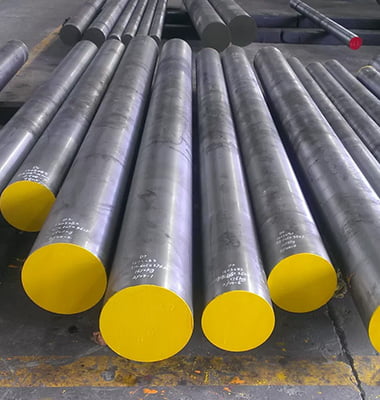
- Section: Angle steel, channel steel, I-beams, and round bars.
- Coil: Hot-rolled coil and cold-rolled coil.
- Tube: Welded pipe, often made from Q235A base material.
By Production Process:
- Hot-rolled Q235A: This form of steel has good plasticity and is suitable for stamping and welding. It is the most widely used form due to its low cost and ease of use.
- Cold-rolled Q235A: Offers smoother surfaces and high dimensional accuracy. It is typically used for precision hardware parts.
Advantages of Q235A Steel
1.Low Cost:
This steel is a cost-effective option for manufacturers, offering excellent value for money, especially for projects that require large quantities of material. Due to its relatively low production costs, it is often the material of choice for small- and medium-sized businesses.
2.Ease of Use:
This material can be welded, bent, and stamped without requiring special processing techniques. This makes it versatile and easy to work with for a wide range of applications, from structural components to hardware products.
3.Versatility:
Available in different forms such as plates, coils, and sections, this steel can be used across various industries, including construction, machinery manufacturing, and storage equipment.
4.Ready to Use:
Unlike some other steel grades that require heat treatment, this material can be used immediately after delivery, saving time and processing costs. This is an essential factor in fast-paced construction and manufacturing environments.
5.Stable Supply:
As a commonly used steel grade, this material has high availability in the market. This ensures that it can be easily sourced, making it a reliable option for large-scale projects.
Limitations of Q235A Steel
While Q235A Steel is a great option for many applications, it does have some limitations:
1.Low Strength:
With a yield strength of 235MPa, this material is not suitable for applications that require high strength or heavy-load-bearing components. This limits its use in critical structural applications.
2.Poor Toughness:
The lack of impact toughness makes this material unsuitable for use in cold environments or applications where it will be subject to sudden shocks or impacts.
3.Low Corrosion Resistance:
This material does not contain rust-resistant alloy elements, so it is prone to corrosion. For outdoor or marine environments, it requires additional protection, such as painting or galvanizing, to maintain its durability.
4.Limited Precision:
Hot-rolled materials have larger dimensional tolerances compared to cold-rolled ones, making them unsuitable for precision parts that require tight tolerances.
Common Uses of Q235A Steel
Q235A Steel is widely used in applications where high strength is not critical. Some of its common uses include:
1.Construction:
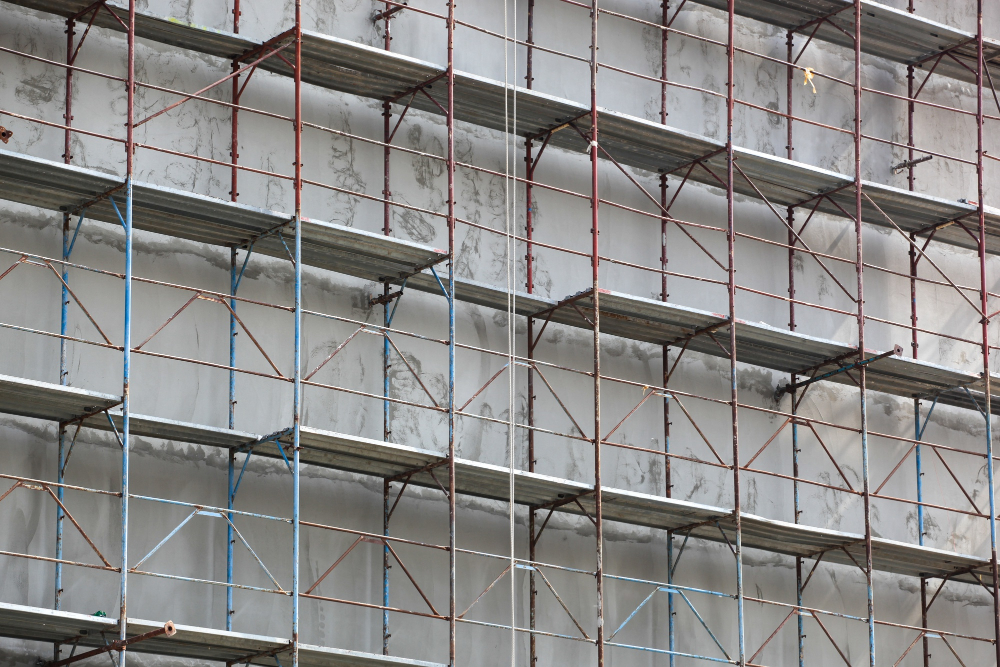
Factory building beams and columns.
Structural supports for scaffolding.
Temporary fencing and other non-load-bearing structures.
2.Machinery Manufacturing:
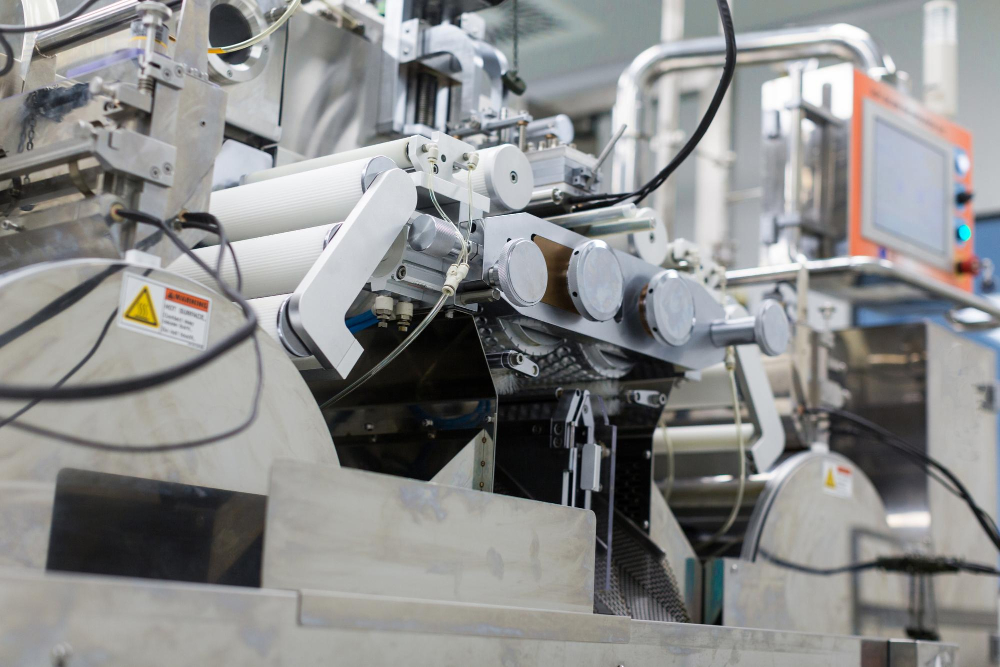
Agricultural machinery parts.
General machine frames.
Non-load-bearing stamped parts.
3.Storage Equipment:

Shelving, pallets, and storage bins.
Light industrial goods such as tool housings and appliance bases.
4.Infrastructure:

Pipe supports for water facilities.
Street light pole bases.
Small components for bridges and roads.
Summary
In conclusion, Q235A Steel is a cost-effective, versatile material used in a wide range of construction, manufacturing, and storage applications. Its ease of use, availability, and low cost make it an ideal choice for non-critical components. While it has some limitations in terms of strength, toughness, and corrosion resistance, it remains a popular choice for small- and medium-sized manufacturers looking to reduce costs. Whether you are building structural components, machinery parts, or storage equipment, Q235A Steel offers an economical solution that meets the demands of various industries.
Can Q235A steel be welded?
Yes. Q235A Steel has good weldability and can be welded using standard techniques without requiring any special processes.
Does Q235A steel need heat treatment before use?
No. Q235A Steel can be used directly after delivery, eliminating the need for additional heat treatment or processing steps.