
Welcome to My Blog!
Before we dive into the content, I’d love for you to join me on my social media platforms where I share more insights, engage with the community, and post updates. Here’s how you can connect with me:
Facebook:https://www.facebook.com/profile.php?id=100087990137347
LinkedIn:https://www.linkedin.com/company/89825762/admin/dashboard/
YouTube:www.youtube.com/@carbonsteelsupply-kj9lw
TikTok:www.tiktok.com/@carbonsteelsupply
Now, let’s get started on our journey together. I hope you find the content here insightful, engaging, and valuable.
Введение

A514 alloy steel is a high-strength, low-alloy steel primarily used in heavy-duty applications where strength and durability are essential. Known for its excellent weldability and high yield strength, A514 is often utilized in industries ranging from construction and mining to transportation and manufacturing. In this article, we will delve into the key features of A514 alloy steel, its applications, and why it has become a preferred choice for demanding industrial needs.
What is A514 Alloy Steel?
A514 alloy steel is a quenched and tempered steel alloy specifically designed to meet the demands of high-performance applications. This steel grade is recognized for its ability to deliver high yield strength, toughness, and resistance to wear, making it ideal for heavy-duty use. The steel is composed of a combination of elements such as carbon, manganese, silicon, phosphorus, and sulfur, along with trace amounts of other alloying elements that give it its unique properties.
Key Features of A514 Легированная сталь
A514 alloy steel has several key characteristics that make it suitable for industrial applications. Below are some of the most important features of this alloy:
High Yield Strength
One of the standout properties of A514 steel is its impressive yield strength, which typically ranges between 100 and 130 ksi (kilopounds per square inch). This high yield strength allows it to withstand heavy loads and pressure, making it ideal for structural applications where strength is paramount.
Excellent Durability
A514 alloy steel has outstanding resistance to wear and fatigue, even in extreme working environments. This makes it highly suitable for industries where equipment and structures are subject to constant abrasion, impact, or heavy-duty stress, such as mining, construction, and heavy machinery manufacturing.
Good Weldability
Despite its high strength, A514 steel offers good weldability. It can be welded using standard welding techniques such as gas metal arc welding (GMAW) and shielded metal arc welding (SMAW). This makes it easier to fabricate complex structures and components without compromising the material’s overall strength.
Toughness in Low Temperatures
A514 alloy steel maintains its toughness even in low temperatures. This characteristic is especially important for applications in colder climates where other materials may become brittle. It can endure harsh environmental conditions without sacrificing its mechanical properties.
Corrosion Resistance
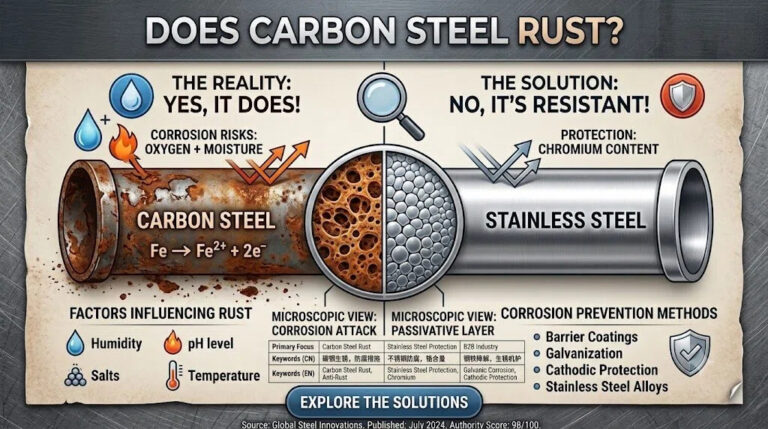
While A514 alloy steel does not possess the same level of corrosion resistance as certain stainless steels, it performs well in environments that are not exposed to extreme corrosive elements. However, for applications in highly corrosive environments, additional coatings or treatments may be required.
Applications of A514 Alloy Steel in Industry
A514 alloy steel is used in various industries due to its superior strength, durability, and versatility. Below are some key applications where A514 steel is commonly utilized:
Heavy Machinery Manufacturing
A514 alloy steel is frequently used in the production of heavy machinery, such as cranes, bulldozers, and excavators. Its high yield strength and wear resistance make it perfect for components that are subject to high stress and impact, such as frames, booms, and arms.
Structural Engineering
In structural engineering, A514 is often used for building bridges, high-rise buildings, and other large-scale structures. Its excellent strength-to-weight ratio makes it an ideal choice for creating long-lasting, robust structures that can withstand significant forces.
Mining and Construction
Mining and construction industries heavily rely on A514 alloy steel for components that need to endure tough conditions. Equipment such as mining trucks, bulldozers, and other vehicles use A514 steel for parts like chassis and undercarriages, which require both toughness and resistance to abrasive wear.
Transportation and Automotive
In the transportation sector, A514 steel is used to manufacture parts that are exposed to heavy loads and harsh operating conditions. For example, it is used in the production of railroad components, trailers, and structural parts for vehicles that need to handle high stress and constant use.
Military and Defense
A514 steel is also utilized in military and defense applications, such as armored vehicles, military-grade structural components, and other high-strength parts. Its toughness and ability to withstand significant physical damage make it a preferred material for demanding defense-related applications.
Heat Treatment of A514 Alloy Steel
The heat treatment process for A514 alloy steel plays a critical role in achieving the desired mechanical properties, particularly strength, toughness, and hardness. The process typically involves two key stages: quenching and tempering.
Закаливание
Quenching involves heating the steel to a high temperature (usually around 1,600°F to 1,650°F or 870°C to 900°C) and then rapidly cooling it in water or oil. This process helps to increase the hardness and yield strength of the steel.
Отпуск
After quenching, A514 steel undergoes tempering to reduce brittleness and improve toughness. Tempering involves reheating the steel to a lower temperature (around 1,000°F to 1,100°F or 540°C to 590°C) for a specified period of time, followed by air cooling.
Common Grades of A514 Alloy Steel
A514 alloy steel comes in several grades, each with specific mechanical properties tailored to different applications. Below is a table showing the most common grades of A514 steel, along with their respective yield strength ranges:
| Grade | Yield Strength (ksi) | Типовые применения |
|---|---|---|
| A | 100-130 | Heavy machinery, structural beams |
| B | 100-130 | Railcars, bridges, trucks |
| E | 100-130 | Structural applications, heavy loads |
| F | 100-130 | Construction equipment, structural parts |
| H | 100-130 | Transportation, mining equipment |
| P | 100-130 | High-stress structural parts |
A514 Alloy Steel Welding Techniques
Welding A514 alloy steel requires careful consideration due to its high strength and hardness. Below are some welding techniques and tips to successfully join A514 alloy steel components:
Pre-Heating
Before welding, it is recommended to preheat the A514 steel to a temperature between 300°F and 500°F (150°C to 260°C) to reduce the risk of cracking. This is especially important when welding thicker sections of the steel.
Use of Low-Hydrogen Electrodes
When welding A514, it is essential to use low-hydrogen electrodes to minimize the risk of cracking and ensure a high-quality weld. Low-hydrogen electrodes help to control the amount of hydrogen present in the weld, reducing the chances of cracking during cooling.
Post-Weld Heat Treatment
After welding, it is often necessary to conduct post-weld heat treatment (PWHT) to relieve residual stresses and restore the material’s toughness. This can involve reheating the welded joint to a temperature between 1,000°F and 1,150°F (540°C to 620°C) and holding it at this temperature for a specified time.
Заключение

A514 alloy steel is an incredibly versatile and high-performing material that has found widespread use in industries requiring heavy-duty, high-strength components. Its superior yield strength, durability, and weldability make it an ideal choice for applications in mining, construction, heavy machinery, and even military-grade manufacturing. By understanding the key features and applications of A514 alloy steel, manufacturers and engineers can make informed decisions when selecting materials for demanding industrial projects. Whether it is used in the construction of bridges, mining equipment, or transportation vehicles, A514 alloy steel remains one of the most reliable and efficient materials available.
FAQs About A514 Легированная сталь
Can A514 alloy steel be used in cold environments?
Yes, A514 alloy steel performs well in low temperatures and maintains its toughness even in cold environments. This makes it suitable for applications in regions with harsh winter climates.
How is A514 alloy steel different from other high-strength steels?
A514 alloy steel is designed for applications requiring both high strength and excellent weldability. It is different from other high-strength steels in that it is specifically optimized for structural and heavy-duty uses where toughness and resistance to wear are critical.
What are the welding requirements for A514 alloy steel?
Welding A514 alloy steel requires careful pre-heating, the use of low-hydrogen electrodes, and sometimes post-weld heat treatment to ensure strong, durable welds without compromising the material’s strength.
Is A514 alloy steel resistant to corrosion?
While A514 alloy steel offers some resistance to corrosion, it is not as resistant as stainless steel. For applications in highly corrosive environments, additional coatings or treatments are recommended.