
Table of Contents
What Is an Alloy in Stainless Steel?
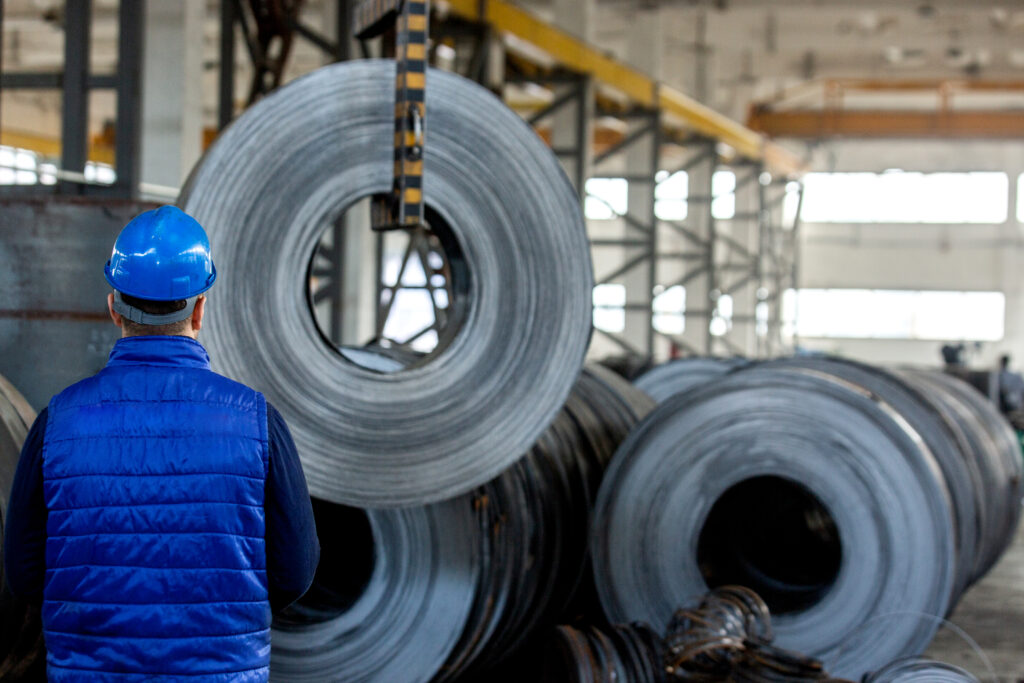
Stainless steel is an alloy, created by combining iron with other metals like chromium and nickel, with sometimes a small amount of carbon added. This alloy is specifically designed to be more resistant to rust than regular steel. In simple terms, alloy steel, particularly stainless steel, refers to a type of steel that is “less prone to corrosion from air and water.”
Applications of Alloy Steel
Alloy steel, being stronger and longer-lasting, is used in almost every aspect of our daily lives:
- Construction projects: bridges, buildings, railway tracks, etc.
- Automotive parts: gears, shafts, chassis, and other car components.
- Kitchenware: knives, utensils, cookware, and other stainless steel products.
- Tools and machinery: wrenches, drill bits, and various mechanical equipment.
Does Alloy Steel Rust?
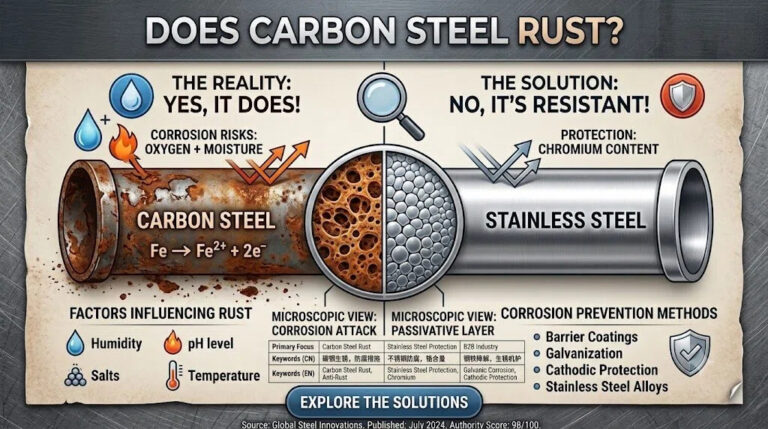
It’s important to clarify that not all alloy steels are completely rust-proof. While adding metals like chromium can slow down rusting, these steels can still develop rust spots under certain conditions—such as exposure to seawater, chemicals, or surface scratches. Therefore, while highly rust-resistant, they are not entirely rust-free.
A simple way to understand it: stainless steel is like wearing an “invisible raincoat.” It usually repels water, but if the raincoat is damaged, the steel can still get wet.
Is Alloy Steel Rust-Resistant?
Many people ask, “If alloy steel is left outdoors, do I not need to worry about rust at all?” The answer is: not entirely. Alloy steel (including stainless steel) is indeed rust-resistant, but calling it “rust-proof steel” isn’t accurate. Factors that affect rusting include:
- Environment: Rust forms faster in humid areas or near the sea.
- Surface damage: Scratches or dents allow moisture to reach the steel.
- Alloy type: Steel with higher chromium and nickel content is more rust-resistant.
In daily life, kitchenware or outdoor furniture usually won’t rust for many years because the environment isn’t too harsh. But in industrial settings or by the sea, even steel can gradually corrode.
How to Effectively Prevent Alloy Steel from Rusting
Although more rust-resistant than ordinary steel, alloy steel is not completely rust-proof. If daily maintenance is neglected, even stainless steel can develop rust spots. Here’s a detailed look at how to protect it from several angles, ensuring greater durability and longevity:
1.Control the Environmental Humidity
Moisture is the main cause of metal rusting. If left for long periods in damp or rainy conditions, the surface is prone to rust.
Tip: In humid environments, use dehumidifiers or moisture-absorbing packets to help keep the air dry and reduce the metal’s exposure to moisture.
2.Regular Cleaning to Remove Stains
Dust, oil, food residue, and other contaminants can form tiny “pools” on the surface, speeding up rusting.
- Clean the surface with a soft cloth and warm water, adding a small amount of mild detergent if necessary.
- Avoid using steel wool or hard brushes, as they can scratch the metal surface and damage its protective layer.
Tip: After cleaning, wipe the surface dry with a clean soft cloth, then apply a thin layer of vegetable oil or anti-rust oil to form a protective film.
3.Prevent Mechanical Damage
Scratches, dents, or impacts can damage the protective layer on alloy steel, making it easier for moisture and air to penetrate.
- Handle knives, tools, or mechanical parts with care.
- When installing or moving large alloy steel components, use protective pads or wrap them in soft cloth.
Tip: For areas prone to bumps or friction, inspect them regularly. If deep scratches are found, gently sand the surface with sandpaper and then apply anti-rust oil.
4.Choose the Right Type of Alloy Steel
The rust resistance of different alloy steels can vary significantly. Steels with higher chromium and nickel content offer stronger corrosion resistance.
- For household kitchenware, 304 stainless steel is sufficient for rust resistance.
- For parts used outdoors or by the sea, it’s best to choose 316 stainless steel or alloy steel with a higher nickel content.
Tip: Before purchasing, check the product label or manufacturer’s specifications to confirm the type of steel.
5.Perform Regular Anti-Rust Treatments
For important components or equipment used long-term, additional anti-rust protection can be applied:
- Coating protection: Apply anti-rust paint or an oil film to create an extra barrier.
- Electrochemical protection: In industrial equipment, cathodic protection is often used to reduce metal corrosion.
- Regular polishing: Use polish or stainless steel cleaners to buff the surface, restore shine, and remove minor rust spots.
Заключение
Легированная сталь offers a combination of strength, durability, and enhanced rust resistance, making it ideal for use in construction, automotive, tools, kitchenware, and more. However, calling it “rust-proof steel” is an exaggeration—under harsh conditions or if damaged, it can still rust. Overall, it is a more durable and rust-resistant option than regular steel, but regular maintenance remains essential.