
Welcome to My Blog!
Before we dive into the content, I’d love for you to join me on my social media platforms where I share more insights, engage with the community, and post updates. Here’s how you can connect with me:
Facebook:https://www.facebook.com/profile.php?id=100087990137347
LinkedIn:https://www.linkedin.com/company/89825762/admin/dashboard/
YouTube:www.youtube.com/@carbonsteelsupply-kj9lw
TikTok:www.tiktok.com/@carbonsteelsupply
Now, let’s get started on our journey together. I hope you find the content here insightful, engaging, and valuable.
Введение
Choosing the right oil well casing material is essential for ensuring the safety, longevity, and overall efficiency of an oil well. Selecting the appropriate material can significantly impact well performance, maintenance needs, and even environmental safety. This article provides an in-depth guide to help you make an informed choice for your casing material, offering insights into material types, their properties, and factors that affect durability in challenging drilling environments.
Понимание Oil Well Casing Material
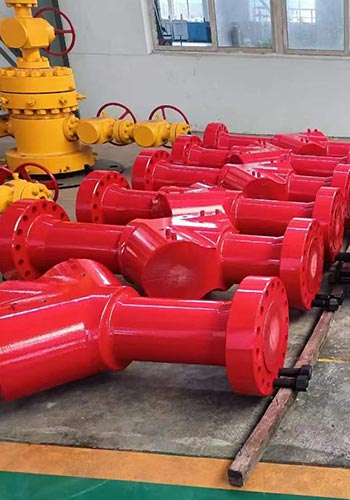
Oil well casing is a critical component of oil well construction, providing structural support and isolating different rock layers to prevent contamination between the reservoir and groundwater. Oil well casing materials must withstand high pressures, corrosive environments, and temperature fluctuations. Choosing a material that is resilient and long-lasting is necessary to maintain well integrity and optimize production.
The most commonly used materials for casing include steel alloys, high-grade carbon steel, and sometimes corrosion-resistant alloys (CRA) for challenging environments. Here are some key considerations:
| Material Type | Properties | Common Usage |
|---|---|---|
| Углеродистая сталь | High tensile strength, affordable | Standard wells, moderate-depth applications |
| Нержавеющая сталь | Corrosion-resistant, high durability | High-pressure, high-corrosion environments |
| Chromium Alloy Steel | Extra corrosion resistance, durable | Deep-sea and highly acidic wells |
| Composite Materials | Lightweight, customizable | Shallow, less corrosive environments |
Key Properties of Effective Oil Well Casing Materials
The right oil well casing material must have several key properties to be effective:
- High Tensile Strength: Must withstand the pressure exerted by surrounding rock layers and the forces applied during drilling.
- Corrosion Resistance: Essential in environments with high levels of sulfur, CO₂, or saltwater.
- Temperature Resistance: The material should maintain structural integrity under high temperatures found in deep wells.
- Flexibility: Allows for slight adjustments under pressure without cracking, preventing wellbore collapse.
Types of Oil Well Casing Material: Advantages and Disadvantages
Different materials offer unique benefits and drawbacks. Here’s a breakdown of the most widely used oil well casing materials and their suitability for various well environments.
Carbon Steel Casing
- Преимущества: Cost-effective, widely available, high tensile strength.
- Недостатки: Susceptible to corrosion in acidic environments, moderate lifespan.
Stainless Steel Casing
- Преимущества: Superior corrosion resistance, long-lasting.
- Недостатки: Expensive, can be heavy, challenging for deep wells.
Chromium Alloy Steel
- Преимущества: Excellent for corrosion-prone environments, very durable.
- Недостатки: High cost, requires specialized handling.
Composite Materials
- Преимущества: Lightweight, corrosion-resistant, customizable for shallow applications.
- Недостатки: Limited use in deep wells, may lack high-pressure resistance.
Factors Influencing Oil Well Casing Material Selection
Several factors can influence the decision when choosing oil well casing material. These factors ensure that the selected material aligns with operational demands and environmental challenges.
- Depth of the Well: Deeper wells require materials with higher tensile strength and pressure resistance.
- Environmental Conditions: For wells with high sulfur or CO₂ levels, corrosion-resistant materials like chromium alloy steel are preferred.
- Budget Constraints: Carbon steel is generally cheaper, while materials like stainless and chromium alloy steel are more expensive.
- Maintenance Requirements: Durable materials can reduce long-term maintenance, important for wells in remote locations.

Corrosion Resistance in Oil Well Casing Material
Corrosion is one of the primary challenges faced in selecting oil well casing material. Corrosive environments can cause casing failure, leading to leaks or well collapse. Corrosion-resistant alloys (CRAs) are often used in high-sulfur or CO₂ environments to extend the lifespan of the casing.
| Material | Corrosion Resistance | Common Use in Wells |
|---|---|---|
| Углеродистая сталь | Low | Mild environments |
| Нержавеющая сталь | High | Sulfur and CO₂-rich areas |
| Chromium Alloy | Very High | Acidic and deep-sea wells |
| Composite | Moderate | Shallow, mild corrosion |
Temperature and Pressure Considerations
High temperatures and pressures are common in deep wells. Selecting a oil well casing material that can endure these conditions is crucial to avoid structural degradation.
| Temperature Range | Recommended Material |
|---|---|
| Low (0-100°C) | Carbon steel, composite materials |
| Moderate (100-300°C) | Stainless steel, carbon steel |
| High (300°C+) | Chromium alloy, high-grade stainless |
Installation and Maintenance Practices for Oil Well Casing Material
Proper installation and regular maintenance can extend the lifespan of oil well casing materials. Here are some recommended practices:
- Use of corrosion inhibitors: Applying protective coatings or inhibitors can further safeguard against environmental stress.
- Regular Inspections: Frequent inspections help in identifying early signs of wear or corrosion, enabling timely intervention.
- Preventive Maintenance: Scheduling preventive maintenance based on the material type and environmental conditions can minimize unexpected repairs.
Заключение
Selecting the best oil well casing material is not just about upfront cost; it’s about finding a balance between durability, resistance to corrosion, and ability to withstand pressure and temperature. Each material type has its strengths and is suited to different drilling conditions. A well-informed choice can optimize production, reduce maintenance costs, and improve well safety over its lifespan.
ЧАСТО ЗАДАВАЕМЫЕ ВОПРОСЫ
What is the most cost-effective oil well casing material?
Carbon steel is generally the most cost-effective option, though it may not be suitable for highly corrosive environments.
Which material is best for high-sulfur oil wells?
Chromium alloy steel and stainless steel are ideal for high-sulfur environments due to their corrosion resistance.
How often should oil well casing be inspected?
Regular inspections are recommended annually, but the frequency may increase depending on the well’s environment and the material used.
Can oil well casing material affect the lifespan of an oil well?
Yes, choosing a durable material can significantly extend the lifespan of an oil well, especially under extreme conditions.
Is composite material a good choice for deep wells?
Composite materials are generally better suited for shallow wells; they may lack the strength needed for deep, high-pressure environments.
Selecting the appropriate oil well casing material involves a thorough evaluation of material properties, well conditions, and cost considerations. By understanding these factors, industry professionals can make choices that ensure safe, efficient, and long-lasting well operations.