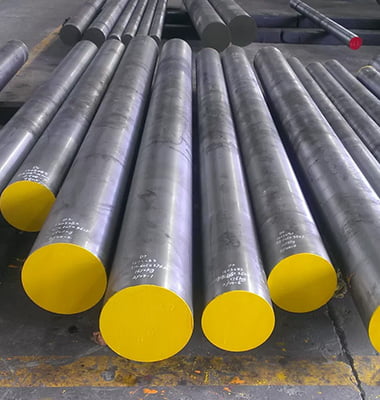
Welcome to My Blog!
Before we dive into the content, I’d love for you to join me on my social media platforms where I share more insights, engage with the community, and post updates. Here’s how you can connect with me:
Facebook:https://www.facebook.com/profile.php?id=100087990137347
LinkedIn:https://www.linkedin.com/company/89825762/admin/dashboard/
YouTube:www.youtube.com/@carbonsteelsupply-kj9lw
TikTok:www.tiktok.com/@carbonsteelsupply
Now, let’s get started on our journey together. I hope you find the content here insightful, engaging, and valuable.
Введение
The alloy steel melting point is a critical factor in various industrial applications, including manufacturing, construction, and metallurgy. Knowing the melting point of alloy steel not only influences the processing methods but also affects the material’s performance and durability. This blog explores the various factors that affect the alloy steel melting point, helping you understand how to optimize its use in your projects.
What is Alloy Steel?
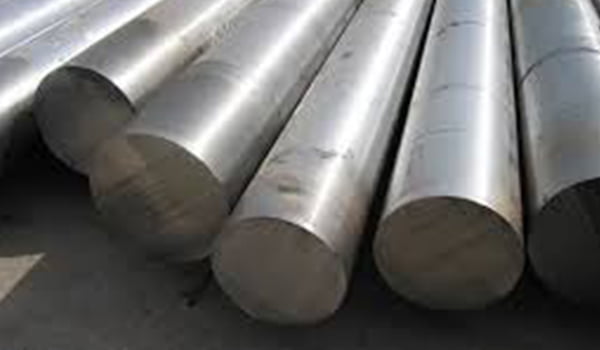
Definition of Alloy Steel
Alloy steel is a type of steel that is alloyed with various elements to enhance its mechanical properties. The addition of elements such as chromium, nickel, molybdenum, and vanadium alters the steel’s characteristics, making it suitable for a wide range of applications. Unlike carbon steel, which primarily contains iron and carbon, alloy steel has a more complex composition, leading to different melting points and properties.
Composition of Alloy Steel
The composition of alloy steel varies depending on the desired properties. Common elements found in alloy steel include:
- Chromium: Increases hardness and corrosion resistance.
- Nickel: Improves toughness and ductility.
- Molybdenum: Enhances strength at high temperatures.
- Vanadium: Increases strength and wear resistance.
Each of these alloying elements affects the alloy steel melting point, which is typically higher than that of carbon steel.
Factors Influencing Alloy Steel Melting Point
-
 Легированная сталь 31CrMoV9/1.8519
 -
 Легированная сталь 17CrNiMo6/1.6587
 -
 Легированная сталь 25CrMo4/1.7218/SCM430
 -
 Легированная сталь 8620/1.6523/20CrNiMoA/SNCM220
 -
 Легированная сталь 18CrNiMo7-6/17CrNiMo6/1.6587
 -
 Легированная сталь 18CrMo4/1.7243
 -
 Легированная сталь 30CrNiMo8/1.6580
 -
 Легированная сталь 36CrNiMo4/1.6511/SNCM439/EN24
 -
 Легированная сталь 34CrNiMo6/1.6582
Several factors contribute to the melting point of alloy steel. Understanding these factors can help you make informed decisions when selecting materials for your projects.
Composition of the Alloy
The primary factor affecting the alloy steel melting point is the specific elements present in the alloy. Different alloying elements have varying melting points, which can raise or lower the overall melting point of the steel. For instance, adding chromium or nickel tends to increase the melting point, while higher carbon content can lower it.
Carbon Content
The amount of carbon in the alloy significantly impacts its melting point. Higher carbon content typically leads to increased hardness and strength but can also lower the melting point. For example, carbon steels with higher carbon levels may melt at lower temperatures than low-carbon steels.
Microstructure of the Steel
The microstructure of alloy steel, influenced by factors such as heat treatment and cooling rate, can also affect its melting point. Different microstructures (like austenite, ferrite, or martensite) will have varying thermal properties, which can lead to changes in the melting point.
Thermal Conductivity
The thermal conductivity of alloy steel can influence how heat is distributed during melting. Materials with high thermal conductivity may melt more evenly, while those with lower conductivity may experience localized melting. This uneven melting can affect the effective melting point in practical applications.
Impurities and Additives
The presence of impurities and additional elements in alloy steel can alter its melting point. For instance, elements such as sulfur and phosphorus can lower the melting point, leading to problems during processing and affecting the material’s overall performance.
Comparison of Alloy Steel Melting Points
The following table summarizes the melting points of various common alloy steels, highlighting the impact of different alloying elements.
| Alloy Steel Type | Composition (Approx.) | Melting Point (°C) | Primary Applications |
|---|---|---|---|
| 4130 | 0.28% C, 0.8% Cr, 0.2% Mo | 850 – 900 | Aerospace, automotive |
| 4140 | 0.38% C, 0.9% Cr, 0.2% Mo | 860 – 910 | Oil and gas, mining |
| 4340 | 0.4% C, 1.8% Ni, 0.3% Mo | 900 – 950 | Heavy machinery, aircraft |
| 6150 | 0.5% C, 0.5% Cr, 0.2% Mo | 850 – 900 | Springs, axles |
| 8620 | 0.2% C, 0.5% Ni, 0.3% Mo | 800 – 850 | Gears, shafts |
This table illustrates how different alloy compositions lead to varying melting points and applications.
The Role of Temperature in Alloy Steel Processing

Understanding Temperature Effects
Temperature plays a crucial role in the processing of alloy steel. When heating alloy steel, the temperature must be carefully controlled to ensure that it reaches the correct melting point without overheating. Overheating can cause undesirable changes in the microstructure, leading to reduced mechanical properties.
Heat Treatment Processes
Heat treatment is a common method used to enhance the properties of alloy steel. Processes such as annealing, quenching, and tempering can modify the steel’s microstructure, affecting its melting point and overall performance. Understanding how these treatments interact with the alloy steel melting point is essential for achieving the desired characteristics in finished products.
Заключение
In conclusion, understanding the alloy steel melting point and the factors affecting it is crucial for anyone involved in the manufacturing, engineering, or metallurgy industries. The composition of the alloy, carbon content, microstructure, thermal conductivity, and impurities all play significant roles in determining the melting point.
By carefully considering these factors, professionals can select the appropriate alloy steel for their applications, ensuring optimal performance and durability. Whether you’re working with aerospace components or automotive parts, knowledge of the alloy steel melting point can lead to better material choices and more successful project outcomes.
ЧАСТО ЗАДАВАЕМЫЕ ВОПРОСЫ
What is the typical melting point of alloy steel?
The melting point of alloy steel typically ranges from 800°C to 1,100°C, depending on the specific alloying elements and carbon content.
How does the carbon content affect the melting point?
Higher carbon content can lower the melting point of steel, while lower carbon content generally results in a higher melting point.
Why is understanding the melting point important?
Knowing the melting point is essential for selecting the right processing methods and ensuring the material’s integrity during fabrication and application.
Can impurities affect the melting point of alloy steel?
Yes, impurities such as sulfur and phosphorus can lower the melting point and negatively impact the material’s performance.
What are common applications of high-melting-point alloy steels?
High-melting-point alloy steels are often used in applications requiring high strength and durability, such as aerospace, automotive, and heavy machinery.