This article provides an in-depth overview of galvanized steel coil: what it is, how it is produced, its main types, benefits, applications, and best practices for storage and handling.
What is Galvanized Steel Coil?
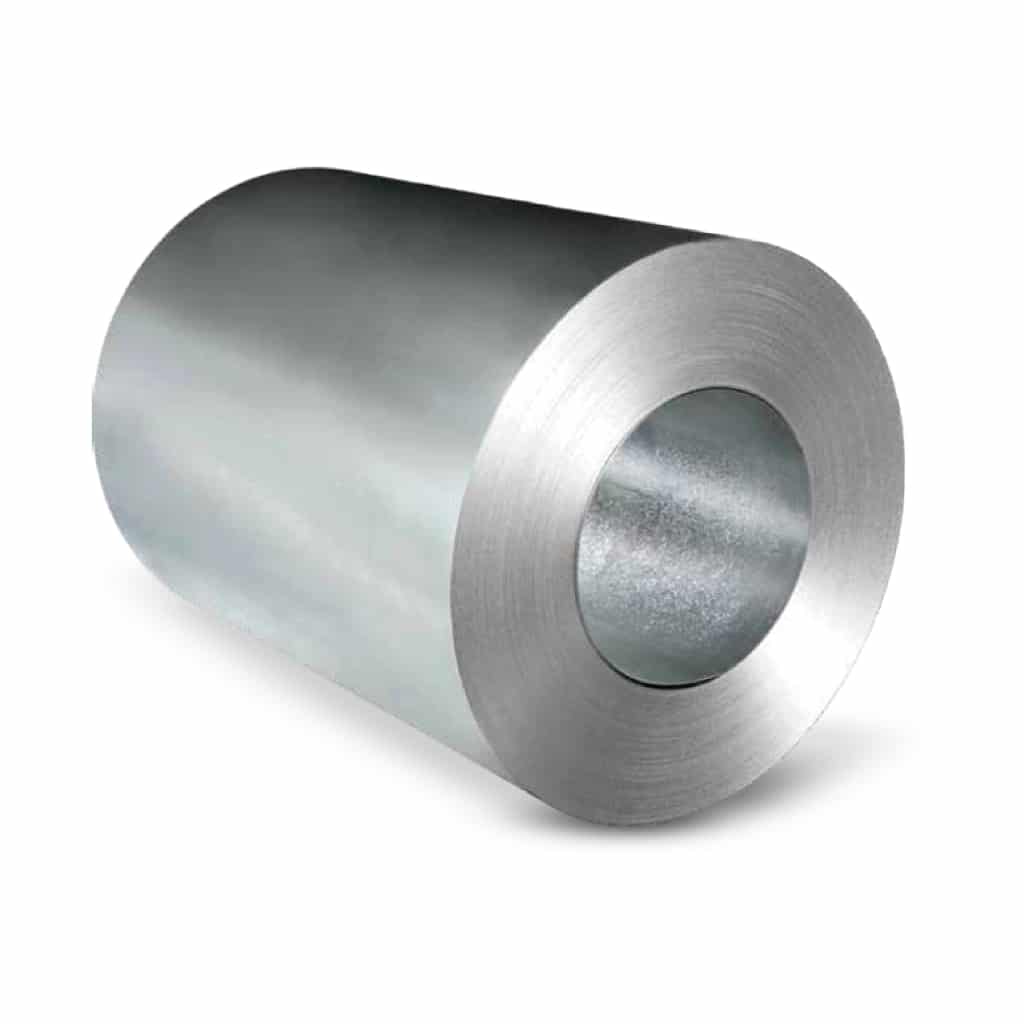
Galvanized steel coil is a type of metal sheet. It starts as cold-rolled or hot-rolled steel. Then, through a continuous galvanizing process, a layer of zinc is evenly coated onto its surface. This zinc layer acts like a shield. It protects the steel underneath from rusting in damp or outdoor conditions. The coating works by creating a barrier and through a chemical reaction (sacrificial protection). The steel remains easy to work with; you can cut it, stamp it, bend it, or weld it. Because of this, it’s widely used in cars, appliances, building projects, public works, and machinery.
Types and Benefits of Galvanized Steel Coil
Galvanized steel coil is a steel sheet coated with zinc and supplied in rolls.
Types:
By the Galvanizing Process:
Hot-Dip Galvanized (GI): Made by dipping steel into molten zinc. This gives a thicker, stronger zinc layer with excellent rust protection.
Electro-Galvanized (EG): Zinc is applied using electricity. This makes a thinner, smoother, more even coating, often chosen for looks.
By Base Steel Type:
Hot-Rolled Galvanized: Uses thicker, stronger hot-rolled steel underneath. Good for parts needing strength or holding weight.
Cold-Rolled Galvanized: Uses thinner, smoother cold-rolled steel underneath. Better for visible parts or precise work.
Benefits:
Fights Rust Well: The zinc layer protects the steel, making it last much longer, especially outdoors or in wet places.
Easy to Work With: You can stamp it, bend it, weld it, and shape it easily into different parts.
Good Value: It offers strong rust protection at a lower cost than many alternatives. It also needs less upkeep over time.
Widely used: Its mix of protection and workability makes it useful across cars, appliances, buildings, machines, and farming.

Storage and Maintenance Best Practices
While galvanized steel coil is highly durable, proper storage helps preserve its quality:
- Store indoors in a dry, well-ventilated space.
- Keep coils elevated from the floor to avoid moisture contact.
- Use separators between stacked coils to prevent dents or scratches.
- Inspect regularly for signs of white rust (zinc oxide) and ensure protective measures are maintained.
Заключение
Galvanized steel coil represents the perfect blend of strength, versatility, and cost-effectiveness. Its zinc coating provides exceptional protection against corrosion, making it indispensable in industries ranging from automotive and appliances to construction and agriculture. By choosing the right type of coil and following proper storage practices, businesses can ensure long-lasting performance and reliability.
For manufacturers and professionals seeking a material that balances durability, affordability, and adaptability, galvanized steel coil remains an outstanding choice—today and in the future.
ЧАСТО ЗАДАВАЕМЫЕ ВОПРОСЫ
What is galvanized steel coil?
It’s a steel sheet (cold-rolled or hot-rolled) coated with a layer of zinc (using hot-dip or electro-galvanizing). Supplied in rolls, the zinc protects the steel from rusting while keeping it easy to shape and join.
What are the main types?
Process: Hot-Dip Galvanized (GI – thicker coating, best protection) and Electro-Galvanized (EG – thinner, smoother coating, better looks).
Base Steel: Hot-Rolled Galvanized (thicker, stronger steel) and Cold-Rolled Galvanized (thinner, smoother steel).
How does the zinc coating prevent rust?
Zinc protects the steel in two ways:
Sacrificial Protection: Zinc “rusts” first, shielding the steel underneath if the coating gets scratched.
Barrier Protection: The zinc layer itself blocks air and moisture from reaching the steel.
Where is it typically used?
Cars: Body panels, parts.
Appliances: Housings, frames.
Buildings: Roofing, siding, structural frames.
Infrastructure: Guardrails.
Farming: Greenhouse frames.
It’s especially good for damp or outdoor locations where rust is a problem.
How should it be stored?
For long-term storage, check it now and then. Watch for white rust (zinc oxide), which can affect performance.