Welcome to My Blog!
Before we dive into the content, I’d love for you to join me on my social media platforms where I share more insights, engage with the community, and post updates. Here’s how you can connect with me:
Facebook:https://www.facebook.com/profile.php?id=100087990137347
LinkedIn:https://www.linkedin.com/company/89825762/admin/dashboard/
YouTube:www.youtube.com/@carbonsteelsupply-kj9lw
TikTok:www.tiktok.com/@carbonsteelsupply
Now, let’s get started on our journey together. I hope you find the content here insightful, engaging, and valuable.
Introduction: Understanding Углеродистая сталь
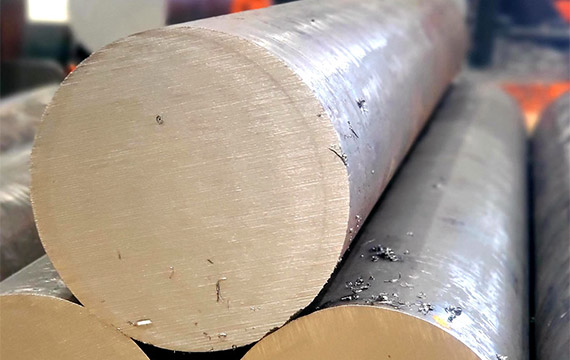
Carbon steel is one of the most commonly used materials in engineering and manufacturing industries due to its versatility, strength, and cost-effectiveness. But what is carbon steel? In its simplest form, carbon steel is a type of steel where the primary alloying element is carbon. The amount of carbon in carbon steel plays a significant role in determining its properties such as strength, hardness, and ductility. The more carbon that is present, the harder and stronger the steel becomes, but it can also become less ductile and more brittle.
In this comprehensive guide, we will delve into the characteristics, types, and uses of carbon steel, and address the various factors that engineers need to consider when selecting this material for their projects.
What is the Carbon Steel? Key Properties and Features
Carbon steel, also known as plain carbon steel, is made primarily from iron with carbon content that ranges from 0.05% to 2.0% by weight. It is divided into three main categories based on the carbon content:
Low Carbon Steel
Contains less than 0.3% carbon, offering good weldability and formability.
Medium Carbon Steel
Contains 0.3% to 0.6% carbon, offering a balance between strength and ductility.
High Carbon Steel
Contains more than 0.6% carbon, making it very strong and hard but also brittle.
The properties of carbon steel vary significantly depending on its carbon content and the presence of other alloying elements such as manganese, silicon, or copper. The table below summarizes these key properties based on different carbon content levels.
| Carbon Content | Key Properties | Типовые применения |
|---|---|---|
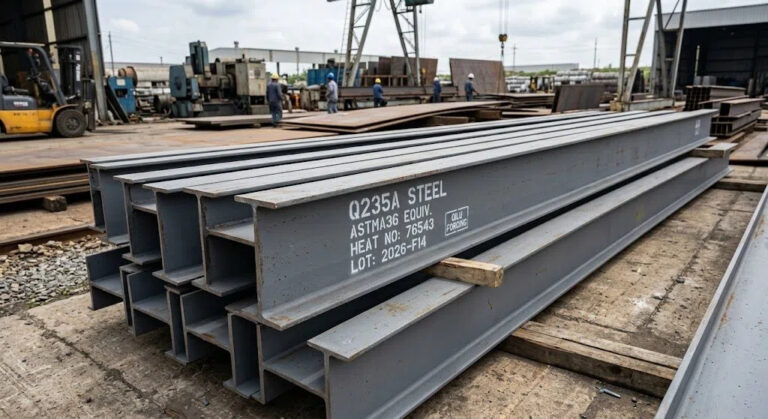
| Low Carbon Steel | Good formability, ductility, and weldability | Structural beams, car parts |
| Medium Carbon Steel | Balanced strength and ductility | Machinery, axles, shafts |
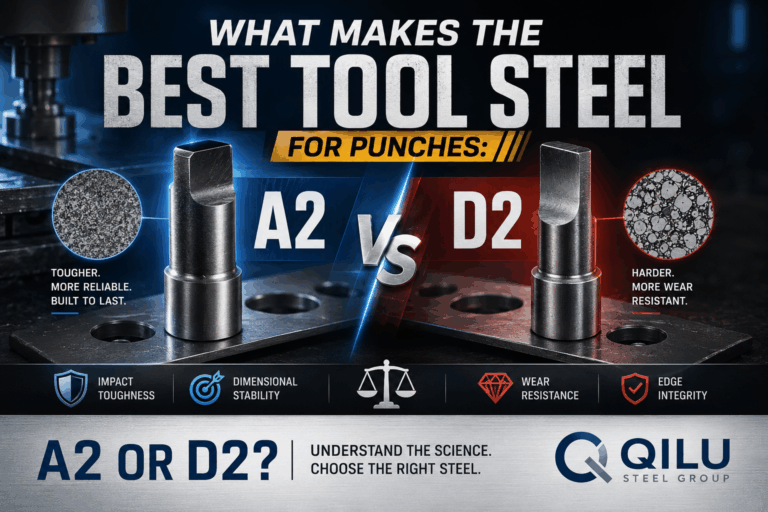
| High Carbon Steel | High strength, hardness but low ductility | Cutting tools, springs, knives |
Understanding the properties of carbon steel is essential for engineers as it helps them determine its suitability for various applications.
Types of Carbon Steel
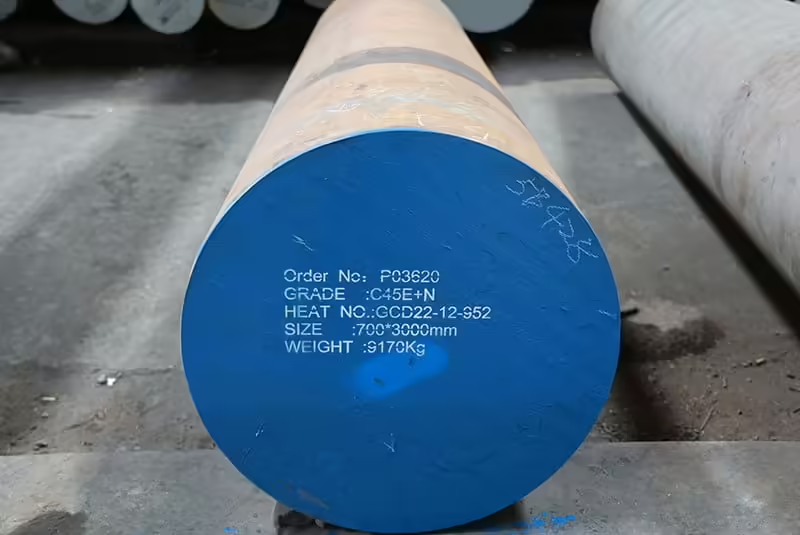
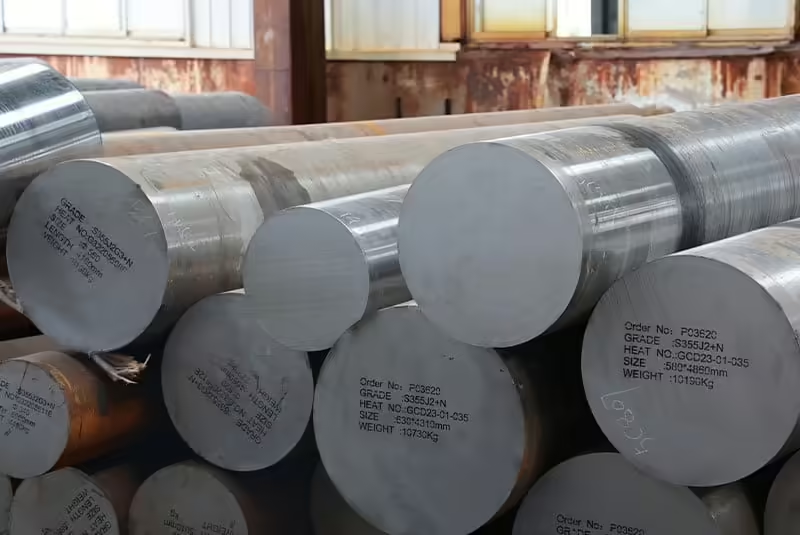
When asking what is carbon steel, it’s important to recognize that this material is not a one-size-fits-all solution. It can be divided into several types based on its carbon content, as well as the addition of other alloying elements. These variations of carbon steel include:
Mild Steel (Low Carbon Steel)
This is the most common type of carbon steel, with a carbon content of less than 0.3%. It is ideal for applications that require high ductility and ease of fabrication.
Medium Carbon Steel
Containing 0.3% to 0.6% carbon, this type offers improved strength over mild steel, but it still maintains a level of flexibility. It is commonly used in automotive and manufacturing applications.
High Carbon Steel
With more than 0.6% carbon, high-carbon steel is extremely strong and hard, but it is also brittle and difficult to weld. It is often used in the production of tools, knives, and springs.
Ultra-High Carbon Steel
This type contains over 2% carbon, making it incredibly strong and wear-resistant. It is typically used for specialized applications like cutting tools and industrial machinery.
What is the Carbon Steel? How is It Made?
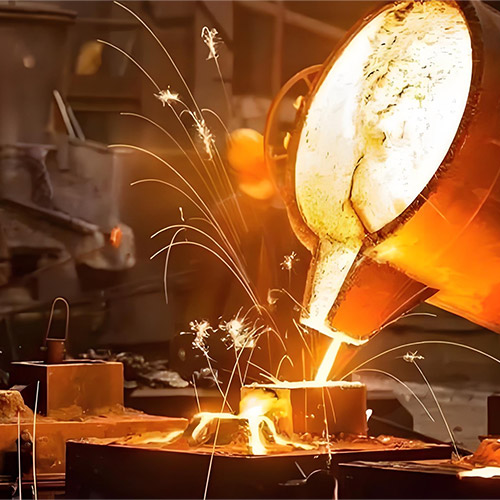
Carbon steel is usually manufactured using two predominant methods: the basic oxygen process and the electric arc furnace technique. Each of these processes involves specific steps aimed at achieving a similar end result. In both cases, the primary objective is to eliminate undesirable impurities that can adversely affect the quality of the steel, including elements such as sulfur and phosphorus. In addition to removing these impurities, it is also essential to manage and control the levels of carbon and other alloying elements present in the steel. This careful regulation ensures that the final product meets the desired specifications for strength, ductility, and overall performance, making it suitable for a wide range of applications in various industries.
Basic Oxygen Steelmaking (BOS)
In this particular refining method, molten iron undergoes a process where oxygen is introduced and blown through the metal. The primary objective of this technique is to oxidize any impurities that are present within the molten iron. As a result of this oxidation reaction, the impurities are transformed into slag, a byproduct that can then be easily separated and removed from the refined metal. This process is essential for ensuring that the final product has a higher purity level, making it more suitable for various applications in metalworking and manufacturing.
Electric Arc Furnace (EAF)
This method involves the use of electricity to effectively melt down scrap metal, transforming it in the process into a more refined form known as steel. The Electric Arc Furnace (EAF) process is known for its flexibility and cost-effectiveness, making it an increasingly popular choice in the industry. This approach is especially advantageous when it comes to recycling scrap steel, allowing for the efficient and economical reuse of materials that would otherwise go to waste. The adaptability of the EAF process allows for a variety of scrap types to be processed, further enhancing its appeal in the realm of steel production.
Applications of Углеродистая сталь in Engineering
Now that we have answered what is the carbon steel, it’s important to explore its wide range of applications in engineering.
Construction
Carbon steel is often used in the construction of buildings, bridges, and other infrastructures due to its strength and versatility. Low and medium carbon steels are commonly used for structural beams and reinforcing bars.
Автомобильная промышленность
Carbon steel is used in the manufacturing of car parts such as chassis, gears, and suspension components. The material’s durability and cost-effectiveness make it a popular choice for automotive manufacturers.
Tools and Machinery
High carbon steel is ideal for producing cutting tools, such as drills, blades, and knives, due to its hardness and edge retention. It is also used in the manufacture of springs, as it can withstand repeated stress and deformation.
Pipes and Tubing
Carbon steel is also used in the production of pipes and tubes that transport liquids and gases. It is particularly suited for oil and gas pipelines because of its strength and ability to withstand high pressure.
Carbon Steel vs Stainless Steel: Key Differences
While both carbon steel and stainless steel are commonly used in engineering and manufacturing, they differ in several key aspects:
Corrosion Resistance
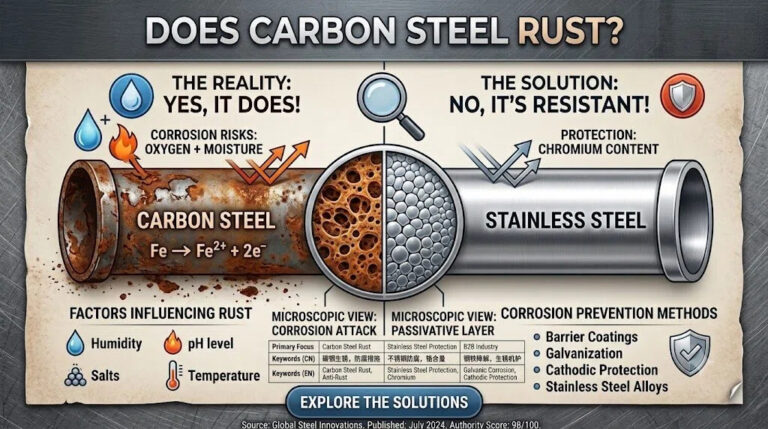
Stainless steel contains chromium, which gives it superior corrosion resistance compared to carbon steel. However, carbon steel is more affordable and easier to form.
Strength
Carbon steel, especially high carbon steel, tends to be stronger than stainless steel. However, it is more prone to rust and corrosion without protective coatings or treatments.
Приложения
Stainless steel is often preferred for applications where corrosion resistance is critical, such as in the food industry, medical devices, and marine environments. Carbon steel, on the other hand, is favored for applications that require strength and hardness but where corrosion is less of a concern.
Заключение

To summarize, what is the carbon steel? It is a versatile material that plays a significant role in a wide range of engineering and manufacturing applications. From construction and automotive industries to the production of tools and machinery, carbon steel is the backbone of many essential components in modern engineering.
Its unique properties, including varying levels of carbon content, make it suitable for different types of applications, each with its specific requirements for strength, hardness, and formability. Engineers must consider these factors when selecting carbon steel for their projects to ensure optimal performance and cost-effectiveness.
In conclusion, carbon steel is an indispensable material in engineering, providing an excellent balance of strength, cost, and versatility. As an engineer, understanding what is carbon steel and its various types will help you make informed decisions when choosing materials for your projects.
ЧАСТО ЗАДАВАЕМЫЕ ВОПРОСЫ
What is the carbon steel?
Carbon steel is a type of steel that primarily consists of iron and carbon, with varying amounts of other elements like manganese and silicon. It is known for its strength, durability, and versatility in industrial applications.
What is the carbon steel used for?
Carbon steel is widely used in construction, automotive manufacturing, pipelines, tools, and machinery due to its high strength and affordability.
What is the carbon steel classification?
Carbon steel is classified into low carbon steel (mild steel), medium carbon steel, and high carbon steel, based on its carbon content. Each type has different mechanical properties and applications.
What is the carbon steel’s main advantage?
Carbon steel offers excellent strength, affordability, and ease of fabrication, making it a preferred choice for many industries compared to stainless steel or alloy steel.
What is the carbon steel’s biggest drawback?
One major drawback of carbon steel is its susceptibility to rust and corrosion, especially when exposed to moisture or harsh environments, unless properly coated or treated.
What is the carbon steel heat treatment process?
Heat treatment processes like annealing, quenching, and tempering can enhance the hardness, strength, and ductility of carbon steel, making it suitable for various industrial applications.