What is alloy steel? This article will answer your questions. Welcome to My Blog!
Before we dive into the content, I’d love for you to join me on my social media platforms where I share more insights, engage with the community, and post updates. Here’s how you can connect with me:
Facebook:https://www.facebook.com/profile.php?id=100087990137347
LinkedIn:https://www.linkedin.com/company/89825762/admin/dashboard/
YouTube:www.youtube.com/@carbonsteelsupply-kj9lw
TikTok:www.tiktok.com/@carbonsteelsupply
Now, let’s get started on our journey together. I hope you find the content here insightful, engaging, and valuable.
Table of Contents
Introduction
Alloy steel is a versatile and widely used material in various industries due to its enhanced properties compared to traditional carbon steel. Understanding what alloy steel is and why it is used can help you make informed decisions when selecting materials for your projects.
This comprehensive guide will delve into the composition, properties, applications, and benefits of alloy steel, providing you with valuable insights to enhance your operations.
What Is Alloy Steel?
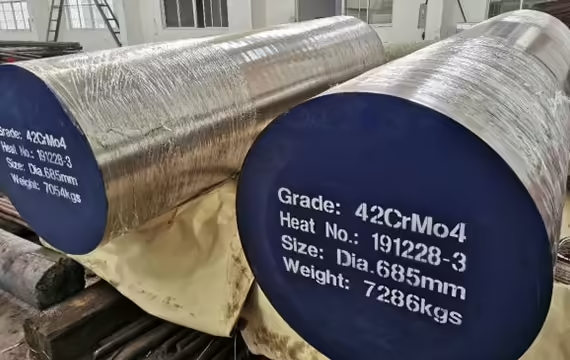
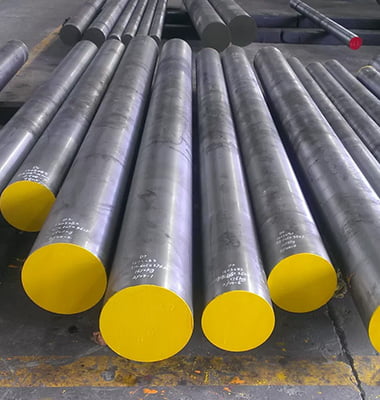
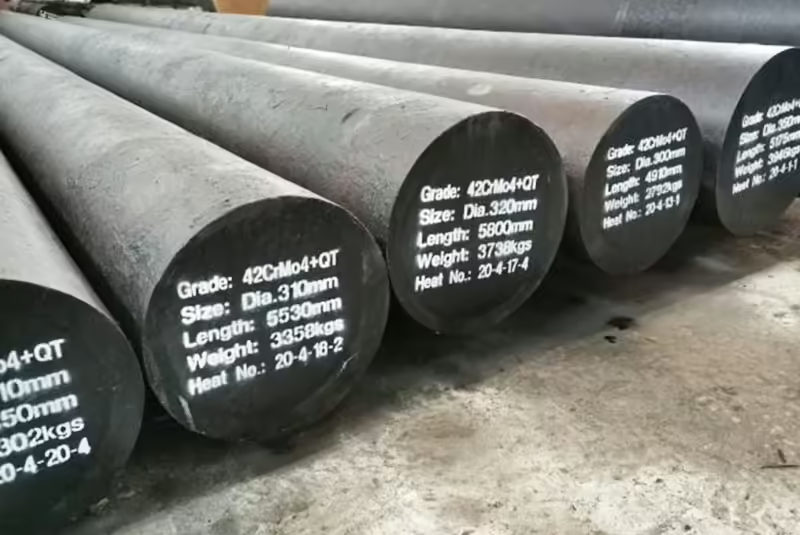
Alloy steel is a type of steel that has been enhanced with various alloying elements such as chromium, nickel, molybdenum, and vanadium. These elements are added to improve the steel’s properties, making it stronger, more durable, and resistant to wear and tear. The specific composition of alloy steel can be tailored to meet the requirements of different applications, offering a wide range of benefits.
Key Properties of Alloy Steel
When selecting alloy steel for your projects, several key properties should be considered to ensure that the material meets your specific requirements. These properties include:
High Strength
Alloy steel is known for its high tensile strength and yield strength, making it suitable for applications that require load-bearing components. This ensures that the material can withstand significant stress without deformation.
Durability
The durability of alloy steel is one of its most significant advantages. Alloying elements such as chromium and nickel improve the steel’s resistance to wear and tear, making it ideal for long-term use in demanding environments.
Corrosion Resistance
Alloy steel offers excellent corrosion resistance, particularly when alloyed with elements like chromium and nickel. This property makes it suitable for applications where exposure to moisture or chemicals is common, such as in marine or industrial settings.
Toughness
Alloy steel is highly tough and resistant to impact. This property ensures that the material can withstand sudden and severe forces without breaking, making it ideal for applications that involve heavy machinery or equipment.
Machinability
Alloy steel is relatively easy to machine, allowing for precise fabrication and customization. This property makes it suitable for a wide range of applications, from simple parts to complex components.
Weldability
Alloy steel can be easily welded, making it a preferred choice for applications that require joining multiple pieces of steel. The ability to weld alloy steel ensures that it can be used in various construction and manufacturing processes.
A Comprehensive Table of Alloy Steel Specifications
To provide a clearer understanding of alloy steel and its capabilities, the following table summarizes key specifications:
| Feature | Specification |
|---|---|
| Material | High-grade alloy steel |
| Strength | High tensile and yield strength |
| Durability | Excellent resistance to wear and tear |
| Corrosion Resistance | Improved resistance to corrosion, particularly with chromium and nickel |
| Toughness | High impact resistance and ability to withstand severe forces |
| Machinability | Easy to machine, allowing for precise fabrication |
| Weldability | Easily welded, suitable for joining multiple pieces |
| Applications | Construction, automotive, manufacturing, industrial equipment |
This table highlights the key characteristics of alloy steel, emphasizing its versatility and suitability for a wide range of applications.
What Is Alloy Steel in Action
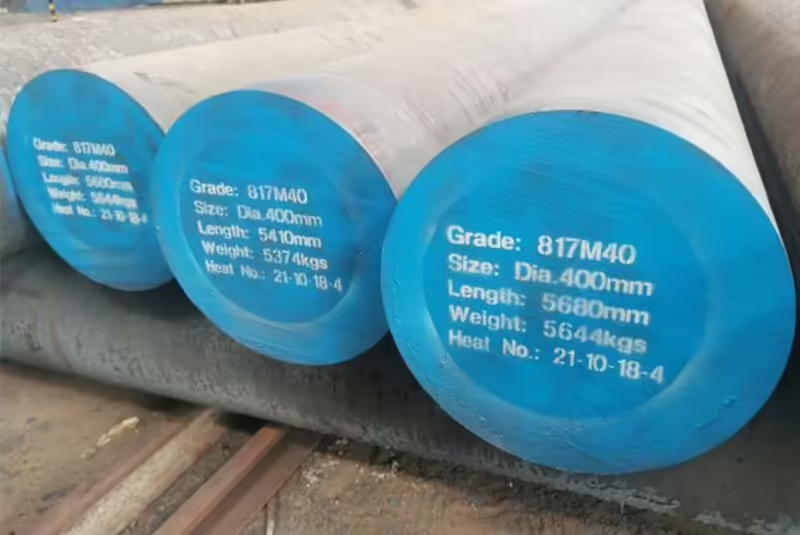
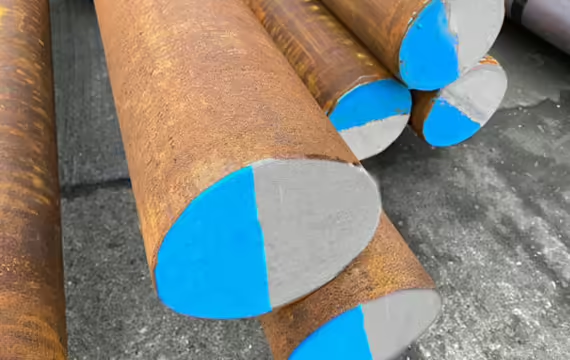
Alloy steel is used in a variety of applications across different industries. Some of the most common applications include:
Construction
In construction, alloy steel is used for structural beams, columns, and reinforcement bars. Its high strength and durability make it ideal for supporting large structures and ensuring long-term stability.
Automotive
The automotive industry relies heavily on alloy steel for manufacturing vehicle parts such as engine components, chassis, and body panels. The strength and durability of alloy steel ensure that these parts can withstand the rigors of daily use.
Manufacturing
In manufacturing, alloy steel is used for creating machinery, tools, and components. Its ability to withstand wear and tear ensures that these parts have a long lifespan and require minimal maintenance.
Industrial Equipment
Alloy steel is also used in the production of industrial equipment such as pumps, valves, and storage tanks. Its durability and resistance to corrosion ensure that these components can operate efficiently in harsh environments.
Agricultural Equipment
In agriculture, alloy steel is used for manufacturing farm machinery and equipment. Its strength and durability make it suitable for heavy-duty applications such as plowing, tilling, and harvesting.
Benefits of Using Alloy Steel
Using alloy steel offers several benefits that make it a preferred choice in various applications:
High Strength and Durability
Alloy steel’s high strength and durability make it suitable for applications that require load-bearing components. Its ability to withstand significant stress and wear ensures that it has a long lifespan and requires minimal maintenance.
Corrosion Resistance
The corrosion resistance of alloy steel makes it suitable for applications where exposure to moisture or chemicals is common. This property reduces maintenance costs and extends the lifespan of the material.
Versatility
Alloy steel is highly versatile and can be tailored to meet specific requirements by adjusting the composition of alloying elements. This versatility makes it suitable for a wide range of applications, from construction to automotive and manufacturing.
Cost-Effectiveness
While alloy steel may be more expensive than traditional steel, its enhanced properties often result in cost savings over the long term. Its durability and low maintenance requirements make it a cost-effective solution for many applications.
Easy to Machine and Weld
Alloy steel is relatively easy to machine and weld, allowing for precise fabrication and customization. This property makes it suitable for a wide range of applications, from simple parts to complex components.
Choosing the Right Alloy Steel for Your Application
Selecting the right alloy steel involves understanding your specific application requirements and choosing a material that meets those needs. Consider the following factors when making your decision:
Application Requirements
Determine the specific requirements of your application, including the load-bearing capacity, environmental conditions, and aesthetic considerations. This information will help you choose the right alloy steel for your needs.
Material Properties
Choose an alloy steel that meets the specific requirements of your application. Different alloying elements offer varying levels of strength, corrosion resistance, and formability. Common alloying elements include chromium, nickel, molybdenum, and vanadium.
Dimensional Accuracy
Ensure that the alloy steel dimensions meet the required tolerances for your application. High-precision steel is available for applications that require tight tolerances, such as in precision machinery or aerospace components.
Surface Finish
Consider the surface finish of the alloy steel, which can affect its appearance and corrosion resistance. Options include mill finish, polished, or coated surfaces, depending on your specific needs.
Customization Options
If standard dimensions do not meet your requirements, consider customizing the alloy steel dimensions. Custom steel can be fabricated to meet specific project requirements, ensuring a perfect fit and optimal performance.
Future Trends in Alloy Steel Technology
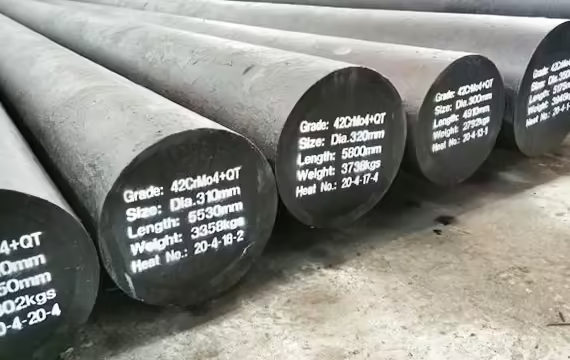
As technology continues to advance, alloy steel is becoming more sophisticated and efficient. Innovations in materials science, manufacturing processes, and surface treatments are enhancing the performance and versatility of alloy steel. Additionally, the growing demand for sustainable materials is driving the development of more eco-friendly options, making alloy steel an even more attractive choice for modern applications.
Conclusion
Understanding what alloy steel is and why it is used is essential for making informed decisions when selecting materials for your projects. Its high strength, durability, corrosion resistance, and versatility make it a preferred choice for various applications across different industries.
If you are looking to invest in high-quality alloy steel or need assistance with customization, contact us today. Our team of experts will guide you through the options and help you choose the perfect alloy steel for your specific needs. Enhance your projects with our superior alloy steel solutions and experience the benefits of modern technology and reliable support.
FAQ
What is alloy steel?
What is alloy steel? Alloy steel is a type of steel that has been enhanced with various alloying elements such as chromium, nickel, molybdenum, and vanadium. These elements are added to improve the steel’s properties, making it stronger, more durable, and resistant to wear and tear.
Why is alloy steel used?
Alloy steel is used due to its enhanced properties such as high strength, durability, corrosion resistance, and versatility. These properties make it suitable for a wide range of applications, from construction and automotive to manufacturing and industrial equipment.
What are the key properties of alloy steel?
Key properties of alloy steel include high tensile strength, excellent durability, improved corrosion resistance, high impact resistance, ease of machining, and weldability. These properties ensure that alloy steel meets the requirements of various applications.
How do I choose the right alloy steel for my application?
Consider factors such as application requirements, material properties, dimensional accuracy, surface finish, and customization options. Understanding these factors will help you select the right alloy steel for your specific needs and ensure optimal performance.
What are the benefits of using alloy steel?
Using alloy steel offers several benefits, including high strength and durability, corrosion resistance, versatility, cost-effectiveness, and easy machining and welding. These benefits make it a preferred choice for various applications.