Welcome to My Blog!
Before we dive into the content, I’d love for you to join me on my social media platforms where I share more insights, engage with the community, and post updates. Here’s how you can connect with me:
Facebook:https://www.facebook.com/profile.php?id=100087990137347
LinkedIn:https://www.linkedin.com/company/89825762/admin/dashboard/
YouTube:www.youtube.com/@carbonsteelsupply-kj9lw
TikTok:www.tiktok.com/@carbonsteelsupply
Now, let’s get started on our journey together. I hope you find the content here insightful, engaging, and valuable.
Introduction
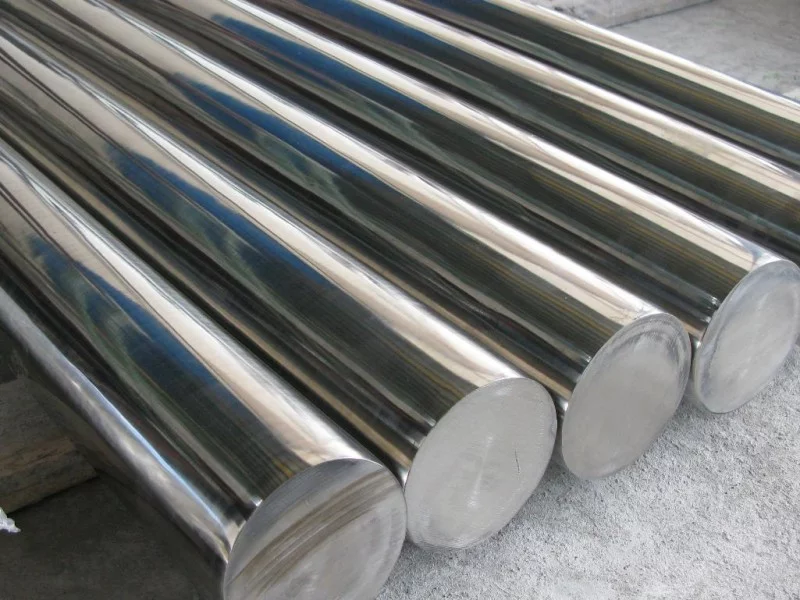
When it comes to choosing the best material for marine environments, alloy 316 stainless steel stands out as one of the most reliable and durable options. Whether it’s used for boat hulls, propellers, or marine equipment, alloy 316 stainless steel offers unmatched resistance to corrosion, strength, and longevity. But why is it considered the ideal choice? In this blog, we will explore the unique properties of alloy 316 stainless steel and why it is particularly well-suited for marine applications.
What is 316 Stainless Steel?
Alloy 316 stainless steel is a high-grade austenitic stainless steel alloy that contains significant amounts of chromium, nickel, and molybdenum. It is primarily used in industries that demand high resistance to corrosion, especially in marine and chemical processing applications.
The addition of molybdenum (2-3%) in alloy 316 stainless steel enhances its resistance to chloride corrosion, making it ideal for marine environments where saltwater exposure is a constant challenge.
Key Properties of Alloy 316 Stainless Steel
The following key properties make 316 stainless steel the material of choice for marine applications:
- Corrosion Resistance: 316 is highly resistant to corrosion, particularly against saltwater, making it ideal for marine environments.
- Durability: The material maintains its strength and structural integrity over extended periods, even under harsh conditions.
- High Temperature Resistance: Alloy 316 can withstand temperatures of up to 870°C (1600°F) in intermittent service and 925°C (1700°F) in continuous service.
- Formability: Alloy 316 can be easily fabricated into a variety of shapes, making it versatile for different marine applications.
- Non-reactive: It is non-reactive to most acids, alkalis, and chloride-containing solutions, ensuring long-term performance in harsh environments.
Why 316 Stainless Steel is Perfect for Marine Applications
Marine applications often expose materials to a combination of saltwater, high humidity, and extreme weather conditions. Traditional metals may rust or degrade over time, but alloy 316 stainless steel remains unaffected by these elements. Here are some of the reasons why it is considered ideal for the marine industry:
Resistance to Saltwater Corrosion
Saltwater is one of the most corrosive elements for metals, but 316 stainless steel’s resistance to chloride-induced corrosion ensures that it maintains its structural integrity even in direct contact with seawater.
Long-Lasting Performance
Unlike many other metals, alloy 316 stainless steel doesn’t rust or deteriorate, which ensures that marine structures made from this material will have an extended service life.
Low Maintenance
Since alloy 316 stainless steel is highly resistant to rust, it requires less maintenance compared to other materials. This reduces the cost of repairs and replacements for marine structures.
Applications of Alloy 316 Stainless Steel in Marine Industry
Alloy 316 stainless steel is used in a wide variety of marine applications, from shipbuilding to offshore oil platforms. Here are some common applications:
- Boat Hulls: The corrosion resistance of alloy 316 makes it ideal for constructing boat hulls and other marine vessels that are exposed to saltwater.
- Marine Hardware: Alloy 316 is used for marine hardware, such as anchors, propellers, and fasteners, which are exposed to harsh sea conditions.
- Offshore Platforms: Alloy 316 stainless steel is used in offshore oil rigs and platforms where exposure to saltwater and chemicals is a constant concern.
- Desalination Plants: This alloy is also widely used in desalination plants where seawater is converted to freshwater, as it resists corrosion from the highly saline water.
Advantages of Using Alloy 316 Stainless Steel in Marine Environments
There are numerous advantages to using alloy 316 stainless steel in the marine industry, such as:
| Property | Alloy 316 Stainless Steel | Other Metals |
|---|---|---|
| Corrosion Resistance | Excellent | Poor |
| Strength | High | Moderate |
| Temperature Resistance | Up to 925°C | Varies |
| Maintenance Requirements | Low | High |
| Durability | Very High | Moderate |
The table above highlights how alloy 316 stainless steel excels in key areas when compared to other metals commonly used in marine environments.
How to Care for Alloy 316 Stainless Steel in Marine Applications
Although 316 stainless steel is highly resistant to corrosion, it’s still important to care for it properly to maintain its appearance and performance. Here are some tips:
Regular Cleaning
Saltwater exposure can lead to salt buildup on the surface. Regularly clean 316 stainless steel with fresh water and a soft cloth.
Use Non-Abrasive Cleaners
Harsh abrasives can scratch the surface of 316 stainless steel, potentially leading to corrosion. Always use a non-abrasive cleaner.
Polishing
To maintain its shine, you can polish alloy 316 stainless steel occasionally. This will also help to prevent the accumulation of salt deposits.
Frequently Asked Questions (FAQs)
What is the difference between alloy 316 and alloy 304 stainless steel?
Alloy 316 contains molybdenum, which gives it superior resistance to corrosion, particularly in chloride environments like saltwater. Alloy 304, while still a good stainless steel, is more susceptible to corrosion in marine conditions.
Can alloy 316 stainless steel be welded?
Yes, 316 stainless steel can be easily welded, although care should be taken to avoid excessive heat, which can affect its corrosion resistance.
Is alloy 316 stainless steel suitable for all marine applications?
While 316 is highly resistant to corrosion, it may not be necessary for every marine application. For less exposed areas, other materials may be sufficient. However, for critical components in contact with saltwater, alloy 316 is the ideal choice.
How does alloy 316 perform in high temperatures?
Alloy 316 stainless steel performs well in high temperatures, with a service range up to 925°C (1700°F). This makes it suitable for marine environments exposed to heat from engines, exhausts, or industrial applications.
Conclusion

Alloy 316 stainless steel is undoubtedly one of the best materials available for marine applications. Its resistance to corrosion, strength, and durability make it perfect for the harsh conditions encountered in saltwater environments. Whether it’s used in boat hulls, offshore platforms, or desalination plants, alloy 316 stainless steel will continue to provide reliable service, reducing maintenance costs and extending the lifespan of marine structures.
If you’re involved in any marine-related industry, considering alloy 316 stainless steel for your next project will ensure long-term performance and reliability.
By following these guidelines and incorporating alloy 316 stainless steel into your marine applications, you are ensuring that your structures will stand the test of time, even in the most corrosive environments.