Welcome to My Blog!
Before we dive into the content, I’d love for you to join me on my social media platforms where I share more insights, engage with the community, and post updates. Here’s how you can connect with me:
Facebook:https://www.facebook.com/profile.php?id=100087990137347
LinkedIn:https://www.linkedin.com/company/89825762/admin/dashboard/
YouTube:www.youtube.com/@carbonsteelsupply-kj9lw
TikTok:www.tiktok.com/@carbonsteelsupply
Now, let’s get started on our journey together. I hope you find the content here insightful, engaging, and valuable.
Introduction
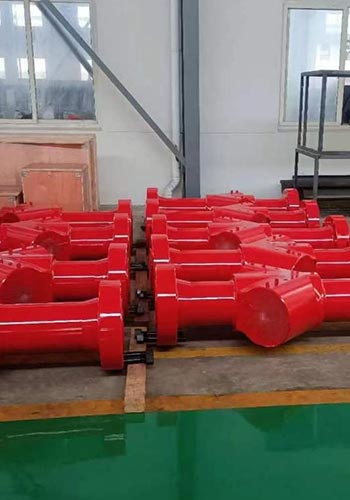
Oil well drilling is a complex and technical process that requires the right equipment to ensure success. One of the most crucial components in this process is the casing pipe for oil well drilling. This blog will provide a comprehensive overview of casing pipes, their types, uses, and importance in oil well drilling. We will also cover how to choose the right casing pipe and provide a comparison table of different options available in the market.
What is Casing Pipe for Oil Well Drilling?
Casing pipes are essential components used in oil and gas drilling operations. They provide structural integrity to the wellbore, prevent collapse, and protect groundwater from contamination. The casing pipe is installed after drilling the well to a certain depth, allowing for safe extraction of oil and gas.
Key Functions of Casing Pipes
- Structural Support: Casing pipes stabilize the wellbore, preventing it from collapsing during drilling and production.
- Isolation: They isolate different underground layers, preventing fluids from migrating between formations.
- Protection: Casing pipes protect the well from external elements and contaminants, ensuring the integrity of the extraction process.
Types of Casing Pipes Used in Oil Well Drilling
Different types of casing pipes are utilized in oil well drilling, each designed for specific purposes and conditions. Here are the most common types:
Surface Casing
Surface casing is the first string of casing installed in the well. It is used to protect groundwater and support the upper section of the well. Typically, surface casing extends to a depth where stable geological formations are found.
Intermediate Casing
Intermediate casing is installed after surface casing and is used to isolate different formations. It often extends through unstable layers to prevent issues such as blowouts or gas migration.
Production Casing
The production casing is the final casing installed in the well. It allows for the extraction of oil and gas. This casing is designed to withstand high pressure and is crucial for the overall efficiency of production.
Liner Casing
Liner casing is a shorter length of casing that is hung from the previous casing string instead of being anchored to the wellbore. It is often used to reinforce sections of the wellbore where full-length casing is not required.
Key Considerations When Choosing Casing Pipe for Oil Well Drilling

When selecting a casing pipe for oil well drilling, several factors must be considered to ensure optimal performance:
Material Selection
Casing pipes are typically made from various materials, including:
- Carbon Steel: Commonly used for its strength and durability.
- Stainless Steel: Offers resistance to corrosion, ideal for harsh environments.
- Fiberglass: Lightweight and resistant to corrosive substances.
Pipe Diameter and Weight
The diameter and weight of the casing pipe must match the specific drilling requirements. Larger diameter pipes can handle more pressure but may be heavier and more challenging to install.
Depth of the Well
The depth of the well significantly impacts the choice of casing pipe. Different layers of soil and rock require varying types of casing to ensure stability and safety.
Local Regulations and Standards
Always ensure that the casing pipe complies with local regulations and industry standards, as these can vary by region and affect the drilling operation.
Comparison of Casing Pipe Options for Oil Well Drilling
Here’s a comparison table of common casing pipe options used in oil well drilling:
| Casing Type | Material | Diameter (inches) | Typical Depth Range (ft) | Applications |
|---|---|---|---|---|
| Surface Casing | Carbon Steel | 8 5/8 | 0 – 500 | Groundwater protection |
| Intermediate Casing | Carbon Steel | 7 | 500 – 3000 | Formation isolation |
| Production Casing | Stainless Steel | 5 | 3000 – 10000 | Oil and gas extraction |
| Liner Casing | Fiberglass | 4 | 5000 – 15000 | Reinforcement of sections |
This table illustrates the various casing options available, along with their materials, dimensions, and typical applications.
Conclusion
Choosing the right casing pipe for oil well drilling is vital for the success and safety of drilling operations. Understanding the different types of casing pipes, their functions, and key considerations will help operators make informed decisions. With the right casing in place, oil and gas extraction can be conducted safely and efficiently.
FAQ
What is the primary function of casing pipes in oil well drilling?
Casing pipes provide structural support, isolate different formations, and protect groundwater from contamination.
How do I determine the right casing pipe for my project?
Consider factors such as material, diameter, depth of the well, and local regulations to determine the most suitable casing pipe.
Are there different materials used for casing pipes?
Yes, casing pipes can be made from carbon steel, stainless steel, and fiberglass, each offering different benefits depending on the application.
What is the difference between surface casing and production casing?
Surface casing protects groundwater and supports the upper wellbore, while production casing is designed for extracting oil and gas.
Can I use the same type of casing pipe for all wells?
No, the type of casing pipe must be selected based on the specific conditions of the well, including depth, geological formations, and regulatory requirements.