Welcome to My Blog!
Before we dive into the content, I’d love for you to join me on my social media platforms where I share more insights, engage with the community, and post updates. Here’s how you can connect with me:
Facebook:https://www.facebook.com/profile.php?id=100087990137347
LinkedIn:https://www.linkedin.com/company/89825762/admin/dashboard/
YouTube:www.youtube.com/@carbonsteelsupply-kj9lw
TikTok:www.tiktok.com/@carbonsteelsupply
Now, let’s get started on our journey together. I hope you find the content here insightful, engaging, and valuable.
Introduction
1015 steel is a popular low-carbon steel known for its versatility, affordability, and adaptability in various applications. This material is widely used in manufacturing and industrial sectors due to its balanced properties. Whether you’re a metal enthusiast or a professional in the field, understanding the benefits and common uses of 1015 steel is crucial for making informed decisions in projects.
This article dives deep into the properties, benefits, and real-world applications of 1015 steel. Additionally, we’ll answer common questions and provide a comprehensive guide to its features.

What Is 1015 Carbon Steel?
1015 steel is a low-carbon steel that typically contains approximately 0.12% to 0.18% carbon, along with small amounts of manganese, phosphorus, and sulfur. Its composition ensures good ductility and machinability, making it an excellent choice for various manufacturing processes.
Chemical Composition of 1015 Carbon Steel
Below is a table outlining the typical chemical composition of 1015 carbon steel:
| Element | Percentage (%) |
|---|---|
| Carbon (C) | 0.12 – 0.18 |
| Manganese (Mn) | 0.30 – 0.60 |
| Phosphorus (P) | ≤ 0.040 |
| Sulfur (S) | ≤ 0.050 |
This composition provides a balance between strength and malleability, which is why 1015 steel is widely used.
Benefits of Using 1015 Carbon Steel
Affordability
1015 carbon steel is cost-effective compared to higher-grade steels. Its low production cost makes it a favorite for industries requiring bulk manufacturing.
Machinability
Thanks to its low carbon content, 1015 steel is easy to machine and shape. It responds well to standard machining tools, making it suitable for high-speed production lines.
Good Weldability
The material’s composition allows for excellent weldability without requiring preheating, unlike some high-carbon steels. This property is beneficial for applications where welding is a crucial process.
Ductility
1015 carbon steel is highly ductile, meaning it can be stretched or shaped without breaking. This makes it ideal for creating components that require bending or rolling.
Common Uses of 1015 Carbon Steel
Automotive Components
In the automotive industry, 1015 carbon steel is used to manufacture parts like bolts, nuts, and rods. Its strength and durability make it suitable for these applications.
Construction Materials
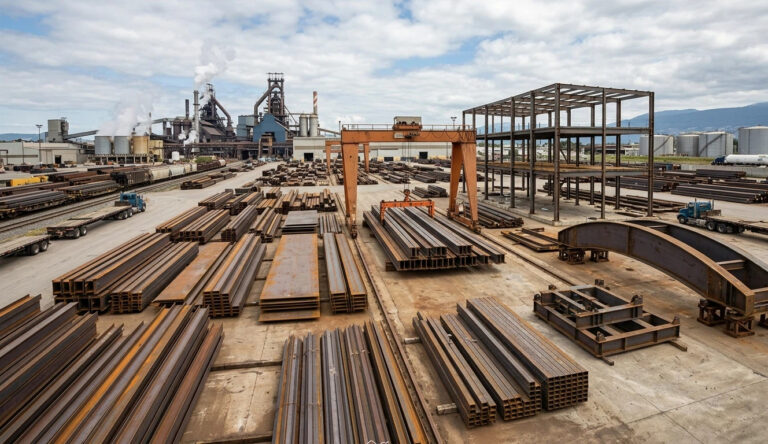
1015 carbon steel is often used in structural applications, such as beams and reinforcements, due to its ability to withstand stress and pressure.
Fasteners
Bolts, screws, and other fasteners are frequently made from 1015 carbon steel because of its machinability and strength.
Machinery Parts
Industrial machinery often incorporates components made from 1015 steel due to its reliability and cost-effectiveness.

Heat Treatment of 1015 Carbon Steel
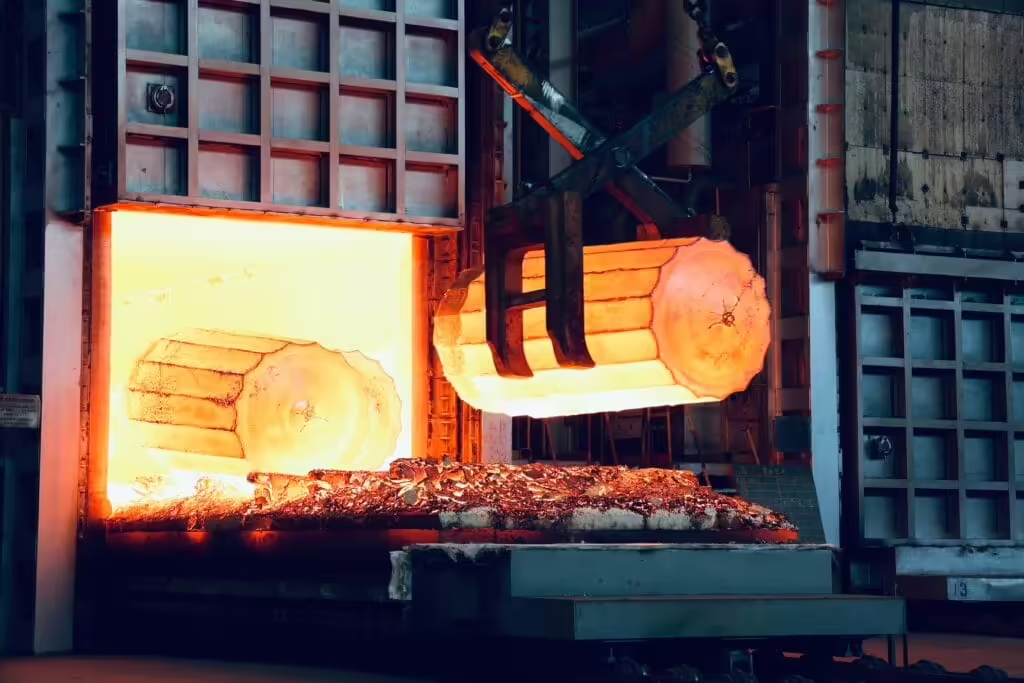
Heat treatment is a common process used to enhance the mechanical properties of 1015 steel. The following are the key heat treatment processes:
Annealing
Annealing softens the material, making it easier to machine and shape. This process involves heating the steel to a specific temperature and then cooling it slowly.
Normalizing
Normalizing improves the steel’s strength and ductility. The material is heated to a high temperature and then air-cooled.
Hardening and Tempering
These processes increase the steel’s hardness and toughness, making it more suitable for wear-resistant applications.
Maintenance Tips for 1015 Carbon Steel
Proper maintenance ensures the longevity and performance of 1015 steel components. Here are some tips:
- Prevent Rust: Apply protective coatings or store the material in a dry environment to avoid corrosion.
- Regular Cleaning: Clean surfaces regularly to remove dirt, grease, and other contaminants.
- Lubrication: Apply lubricants to moving parts to minimize wear and tear.
FAQs
What is the main advantage of 1015 carbon steel over other low-carbon steels?
Its combination of affordability, machinability, and ductility makes it a versatile choice compared to similar materials.
Can 1015 carbon steel be heat-treated?
Yes, heat treatments like annealing, normalizing, and tempering can improve its mechanical properties.
Is 1015 carbon steel corrosion-resistant?
No, 1015 steel is not naturally corrosion-resistant and requires protective coatings or treatments to prevent rust.
What industries commonly use 1015 carbon steel?
Industries like automotive, construction, and manufacturing frequently utilize 1015 steel for components, fasteners, and machinery.
Conclusion
1015 steel is a reliable, cost-effective material with numerous applications across industries. Its properties, such as machinability, ductility, and weldability, make it an excellent choice for manufacturing various components. By understanding its benefits, chemical composition, and uses, you can better determine whether 1015 steel is the right material for your needs.
Whether you’re working on an automotive project, constructing a building, or designing machinery, 1015 steel remains a trusted option in the world of materials.