Welcome to My Blog!
Before we dive into the content, I’d love for you to join me on my social media platforms where I share more insights, engage with the community, and post updates. Here’s how you can connect with me:
Facebook:https://www.facebook.com/profile.php?id=100087990137347
LinkedIn:https://www.linkedin.com/company/89825762/admin/dashboard/
YouTube:www.youtube.com/@carbonsteelsupply-kj9lw
TikTok:www.tiktok.com/@carbonsteelsupply
Now, let’s get started on our journey together. I hope you find the content here insightful, engaging, and valuable.
Metal sheets are essential components in numerous industries, ranging from construction to manufacturing. Among the many options available, carbon steel sheets stand out due to their unique properties. In this blog, we’ll delve into the differences between carbon steel sheets and other types of metal sheets, helping you understand their applications, advantages, and considerations.
Introduction
Carbon steel sheets are versatile, durable, and cost-effective, making them a popular choice for various industrial and commercial applications. In this article, we will explore how carbon steel sheets compare to other metal sheets and why they might be the ideal choice for your specific needs.
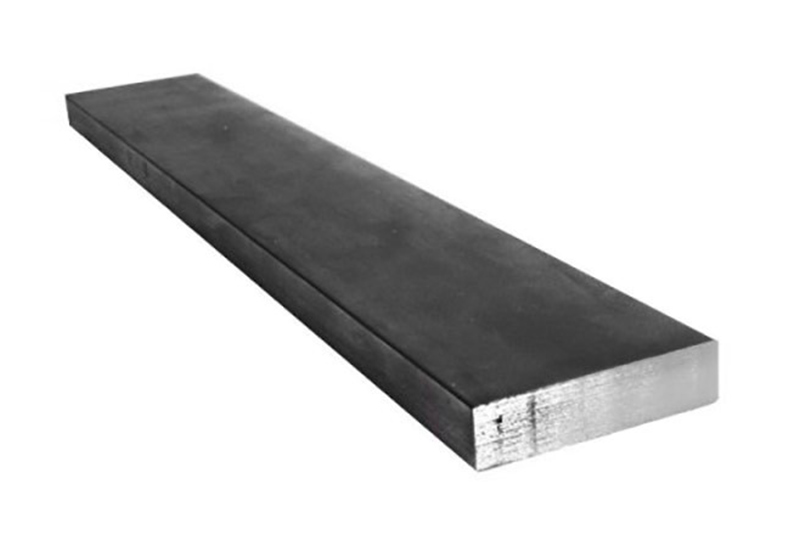
What Are Carbon Steel Sheets?
Carbon steel plate are thin, flat pieces of steel composed mainly of iron and carbon. The carbon content typically ranges from 0.05% to 2.0%, depending on the grade. This carbon content significantly influences the sheet’s strength, ductility, and hardness.
Features of Carbon Steel Sheets:
- High strength and durability
- Excellent machinability
- Cost-effective compared to other metals
Types of Metal Sheets: A Brief Overview
Before diving into the specifics of carbon steel plate, it’s important to understand the broader category of metal sheets.
| Type | Composition | Key Properties |
|---|---|---|
| Carbon Steel | Iron + Carbon | Durable, cost-effective, corrosion-prone |
| Stainless Steel | Iron + Chromium + Nickel | Corrosion-resistant, sleek appearance |
| Aluminum | Pure Aluminum or Alloys | Lightweight, corrosion-resistant |
| Copper | Pure Copper or Alloys | Excellent conductivity, malleability |
| Brass | Copper + Zinc | Decorative, corrosion-resistant |
Each type of metal sheet has distinct advantages and applications, but carbon steel plate remain a preferred choice for their strength and affordability.
Key Characteristics of Carbon Steel Sheets
When compared to other metal sheets, carbon steel sheets have several defining characteristics:
- Strength and Hardness:
Carbon steel plate are exceptionally strong, making them ideal for structural and load-bearing applications. - Machinability:
Despite their strength, these sheets are easy to cut, weld, and shape, offering versatility in manufacturing. - Cost Efficiency:
Compared to stainless steel and other alloys, carbon steel plate are more affordable while maintaining quality. - Corrosion Susceptibility:
Unlike stainless steel, carbon steel plate can corrode if not treated or coated, requiring proper maintenance.
Advantages of Using Carbon Steel Sheets
The numerous benefits of carbon steel plate make them a top choice for various industries:
- Durability: Resistant to wear and tear, carbon steel plate perform well under heavy stress.
- Affordability: Their lower cost compared to stainless steel and other alloys makes them an economical option.
- Versatility: These sheets are suitable for construction, automotive parts, and machinery.
- Customizability: Carbon steel plate can be easily tailored to meet specific project requirements.
Common Applications of Carbon Steel Sheets
Carbon steel sheets are used in a wide range of industries:
- Construction:
Ideal for structural components, roofing, and frames. - Automotive Industry:
Commonly used in the manufacturing of body panels and chassis components. - Manufacturing:
Widely employed in machinery, tools, and equipment production. - Aerospace:
Though less common, certain grades of carbon steel are used in aerospace for non-corrosive parts.
Care and Maintenance of Carbon Steel Sheets
To ensure longevity and optimal performance, proper care of carbon steel plate is essential:
- Coating and Painting:
Apply protective coatings or paint to prevent rust and corrosion. - Cleaning:
Regular cleaning removes dirt and debris that may cause surface damage. - Storage:
Store in a dry, covered area to minimize exposure to moisture.

Environmental Impact of Metal Sheet Production
Understanding the environmental footprint of metal sheets is crucial for sustainable practices:
| Material | Recyclability | Environmental Impact |
|---|---|---|
| Carbon Steel | Highly recyclable | Moderate (depending on processing) |
| Stainless Steel | Fully recyclable | Higher due to energy-intensive production |
| Aluminum | Fully recyclable | Lower due to lightweight properties |
| Copper | Fully recyclable | Moderate to high depending on sourcing |
Carbon steel plate have a moderate environmental impact, but their recyclability makes them a sustainable option in many cases.
Conclusion
Carbon steel plate are a reliable, affordable, and versatile material suited for various applications. While they have some limitations, such as susceptibility to corrosion, their benefits often outweigh these concerns. When compared to other metal sheets, carbon steel remains a popular and practical choice across industries.
FAQ
Are carbon steel sheets stronger than aluminum sheets?
Yes, carbon steel plate are generally stronger and more durable than aluminum sheets, though they are also heavier.
Can carbon steel sheets be used outdoors?
Yes, but they require protective coatings or treatments to prevent rust and corrosion when exposed to the elements.
How are carbon steel sheets made?
They are typically produced through a process of smelting, rolling, and heat treatment, followed by cutting to the desired thickness.
What is the lifespan of carbon steel sheets?
With proper care and maintenance, carbon steel sheets can last several decades.
Are carbon steel sheets recyclable?
Yes, carbon steel plate are highly recyclable, making them an environmentally friendly option.
By understanding the differences and advantages of carbon steel sheets, you can make informed decisions for your projects and applications.