
Welcome to My Blog!
Before we dive into the content, I’d love for you to join me on my social media platforms where I share more insights, engage with the community, and post updates. Here’s how you can connect with me:
Facebook:https://www.facebook.com/profile.php?id=100087990137347
LinkedIn:https://www.linkedin.com/company/89825762/admin/dashboard/
YouTube:www.youtube.com/@carbonsteelsupply-kj9lw
TikTok:www.tiktok.com/@carbonsteelsupply
Now, let’s get started on our journey together. I hope you find the content here insightful, engaging, and valuable.
Table of Contents
Introduction
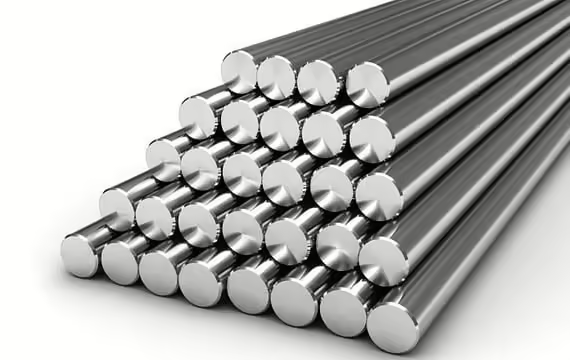
Stainless steel bar stock is a versatile and widely used material in numerous industries. Its inherent properties, such as corrosion resistance, high strength, and aesthetic appeal, make it a preferred choice for various applications. This blog post will delve into the top uses of stainless steel bar stock, exploring its diverse applications and highlighting its significance in modern manufacturing and construction.
What is Stainless Steel Bar Stock?
Stainless steel bar stock refers to a long, solid piece of stainless steel with a consistent cross-sectional shape. These shapes can vary, including round bars, square bars, flat bars, hexagonal bars, and more. The “stainless” characteristic comes from the addition of chromium, which forms a passive layer on the surface, protecting the steel from rust and corrosion.
The Benefits of Using Stainless Steel Bar Stock


The popularity of stainless steel bar stock stems from its numerous advantages:
- Corrosion Resistance: The high chromium content provides excellent resistance to rust, oxidation, and corrosion, making it suitable for harsh environments.
- High Strength and Durability: Stainless steel offers exceptional strength and durability, enabling it to withstand heavy loads and impacts.
- Hygienic Properties: Its smooth, non-porous surface makes it easy to clean and sanitize, making it ideal for food processing and medical applications.
- Aesthetic Appeal: Stainless steel possesses a bright, attractive finish that enhances the visual appeal of products and structures.
- Recyclability: Stainless steel is 100% recyclable, contributing to sustainability and environmental conservation.
- Temperature Resistance: Stainless steel can maintain its strength and integrity in both high and low temperature environments.
- Versatility: Available in various grades, sizes, and shapes, stainless bar stock can be customized to meet specific application requirements.
Top Applications of Stainless Bar Stock in Various Industries
Stainless steel bar stock finds applications across a wide range of industries, thanks to its versatile properties. Here are some of the most prominent uses:
Stainless Bar Stock in Construction and Architecture
In construction, stainless steel bar stock is used for structural supports, handrails, balustrades, and decorative elements. Its corrosion resistance is crucial in outdoor applications, ensuring long-lasting performance even in harsh weather conditions.
- Reinforcement Bars (Rebar): Stainless steel rebar is used in concrete structures to enhance strength and prevent corrosion, particularly in marine environments or areas exposed to de-icing salts.
- Structural Supports: Stainless steel beams, columns, and channels provide robust support for buildings and infrastructure.
- Handrails and Balustrades: Stainless steel’s aesthetic appeal and corrosion resistance make it ideal for railings in both indoor and outdoor settings.
Stainless Bar Stock in the Automotive Industry
The automotive industry utilizes stainless steel bar stock for various components due to its strength, durability, and corrosion resistance.
- Shafts and Axles: Stainless steel’s high strength and torsional rigidity make it suitable for manufacturing shafts and axles that transmit power and withstand stress.
- Engine Components: Stainless steel is used in engine parts such as valves, springs, and fasteners due to its resistance to high temperatures and corrosive fluids.
- Exhaust Systems: Stainless steel’s resistance to high temperatures and corrosive exhaust gases makes it a common material for exhaust systems.
Stainless Bar Stock in the Food and Beverage Industry
The hygienic properties of stainless steel make it a preferred material in the food and beverage industry.
- Food Processing Equipment: Stainless steel is used in machinery for food processing, packaging, and storage due to its easy cleaning and sanitation.
- Kitchen Utensils and Appliances: Stainless steel is a common material for cookware, cutlery, and appliances due to its corrosion resistance and hygienic properties.
- Brewery and Winery Equipment: Stainless steel tanks, pipes, and fittings are used in breweries and wineries due to their resistance to corrosion and their ability to maintain the purity of the beverages.
Stainless Bar Stock in the Medical and Pharmaceutical Industry
The hygienic and biocompatible nature of stainless steel makes it essential in the medical and pharmaceutical field.
- Surgical Instruments: Stainless steel’s sterilizability and corrosion resistance make it ideal for surgical instruments.
- Medical Implants: Certain grades of stainless steel are biocompatible and used in medical implants such as orthopedic screws and plates.
- Pharmaceutical Manufacturing Equipment: Stainless steel is used in equipment for manufacturing and storing pharmaceuticals due to its hygienic properties.
Stainless Bar Stock in the Oil and Gas Industry
The oil and gas industry relies on stainless steel bar stock for its resistance to harsh environments and corrosive substances.
- Offshore Platforms: Stainless steel is used in structural components and piping systems on offshore platforms due to its resistance to saltwater corrosion.
- Drilling Equipment: Stainless steel is used in drill bits, valves, and other equipment exposed to high pressures and corrosive fluids.
- Pipelines: Stainless steel pipelines are used to transport oil and gas due to their resistance to corrosion and high pressure.
Stainless Bar Stock in Manufacturing and Machinery
Stainless steel bar stock is crucial in manufacturing and machinery for its strength, durability, and machinability.
- Machine Components: Stainless steel is used to manufacture various machine parts, including gears, shafts, bearings, and fasteners.
- Tooling and Dies: Stainless steel’s hardness and wear resistance make it suitable for tooling and dies used in manufacturing processes.
- Hydraulic and Pneumatic Systems: Stainless steel is used in cylinders, valves, and fittings in hydraulic and pneumatic systems due to its resistance to high pressure and corrosion.
Different Grades of Stainless Steel Bar Stock and Their Uses
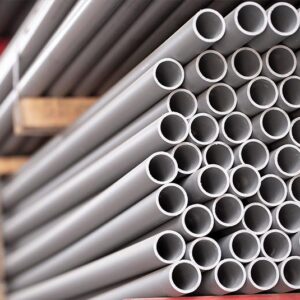

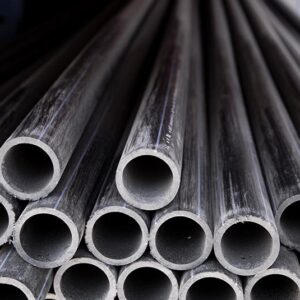
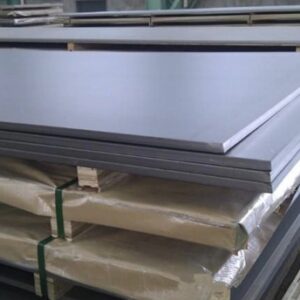

Stainless steel bar stock is available in various grades, each with specific properties that make it suitable for different applications. Here is a table summarizing some common grades and their typical uses:
| Stainless Steel Grade | Key Properties | Typical Applications |
|---|---|---|
| 304 | Excellent corrosion resistance, good weldability | Food processing equipment, kitchenware, chemical processing, architectural applications |
| 316 | Enhanced corrosion resistance, especially to chlorides | Marine applications, chemical processing, pharmaceuticals, medical implants |
| 410 | High strength, good wear resistance | Fasteners, shafts, valves, cutlery |
| 420 | High hardness, good wear resistance | Cutlery, surgical instruments, molds |
| 430 | Good corrosion resistance, lower cost | Appliances, automotive trim, decorative applications |
| 2205 (Duplex) | Very high strength, excellent corrosion resistance | Chemical processing, oil and gas, marine applications, bridges |
| 17-4 PH | High strength and hardness, good corrosion resistance | Aerospace components, oil and gas equipment, chemical processing |
This table provides a general overview. Specific applications may require different grades depending on the exact requirements. Consulting with a material specialist is always recommended for critical applications.
Choosing the Right Stainless Steel Bar Stock
Selecting the appropriate stainless steel bar stock is crucial for ensuring optimal performance and longevity. Factors to consider include:
- Application Environment: The operating environment will dictate the required level of corrosion resistance.
- Mechanical Properties: Strength, hardness, and ductility requirements should be considered based on the intended use.
- Machinability and Weldability: If machining or welding is required, choose a grade with good machinability and weldability.
- Cost: Different grades have different costs, so balance performance needs with budget constraints.
- Size and Shape: Choose the appropriate size and shape of bar stock to minimize waste and fabrication costs.
Stainless Steel Bar Stock Manufacturing Processes
Stainless steel bar stock is manufactured through various processes, including:
- Hot Rolling: This process involves heating the steel billet and passing it through rollers to achieve the desired shape and dimensions.
- Cold Drawing: This process involves pulling the hot-rolled bar through a die to achieve precise dimensions and improved surface finish.
- Extrusion: This process involves forcing heated steel through a die to create complex shapes.
Maintenance and Care of Stainless Steel Bar Stock
While stainless steel is known for its corrosion resistance, proper maintenance can further extend its lifespan:
- Regular Cleaning: Periodic cleaning with mild soap and water can remove dirt and debris.
- Passivation: Passivation treatments can enhance the corrosion resistance of stainless steel.
- Avoid Harsh Chemicals: Avoid contact with strong acids or chlorides, which can damage the passive layer.
Conclusion
Stainless steel bar stock plays a vital role in numerous industries, providing essential properties such as corrosion resistance, strength, and versatility. From construction and automotive to food processing and medical applications, stainless steel bar stock is an indispensable material in modern manufacturing and engineering. Understanding its diverse applications and selecting the right grade for specific needs is crucial for maximizing its benefits and ensuring long-lasting performance. By following proper maintenance practices, the lifespan and effectiveness of stainless steel bar stock can be further extended.
FAQ
What is the difference between stainless steel bar stock and other steel bar stock?
The key difference lies in the chromium content. Stainless steel contains at least 10.5% chromium, which forms a passive layer that protects the steel from rust and corrosion. Other steel bar stock, such as carbon steel, lacks this chromium content and is therefore more susceptible to corrosion.
Is stainless steel bar stock magnetic?
Some grades of stainless steel are magnetic (ferritic and martensitic), while others are non-magnetic (austenitic). For example, 430 stainless steel is magnetic, while 304 and 316 stainless steel are typically non-magnetic.
Can stainless steel bar stock be welded?
Yes, most grades of stainless steel bar stock can be welded. However, specific welding techniques and filler metals may be required depending on the grade. Austenitic stainless steels like 304 and 316 are generally easier to weld than other grades.
How do I clean stainless steel bar stock?
For regular cleaning, mild soap and water are sufficient. For more stubborn stains, you can use a stainless steel cleaner. Avoid using abrasive cleaners or steel wool, as they can scratch the surface.