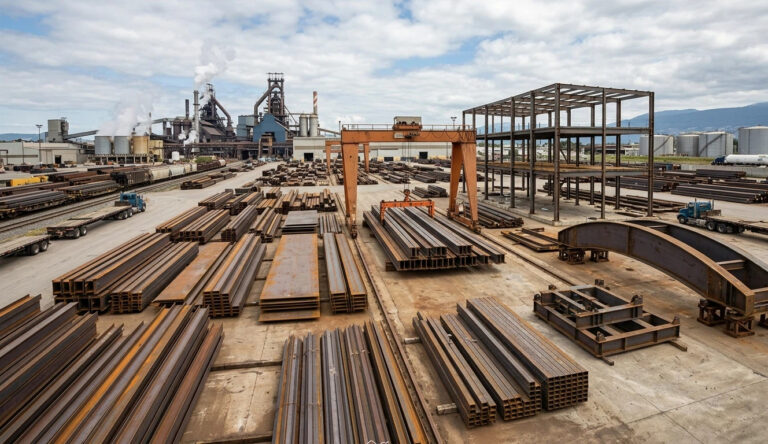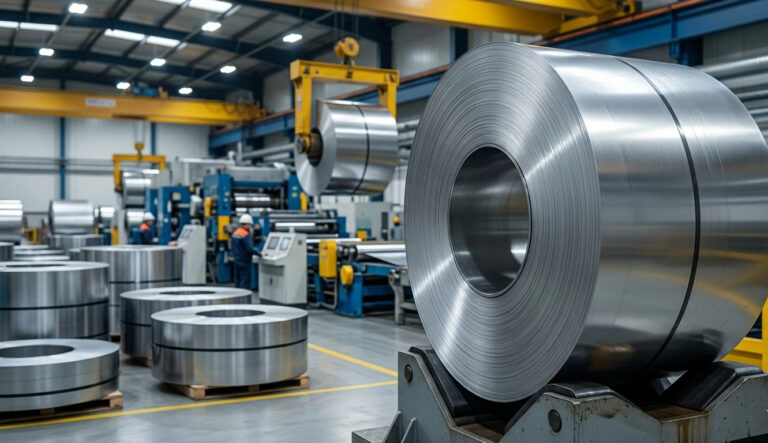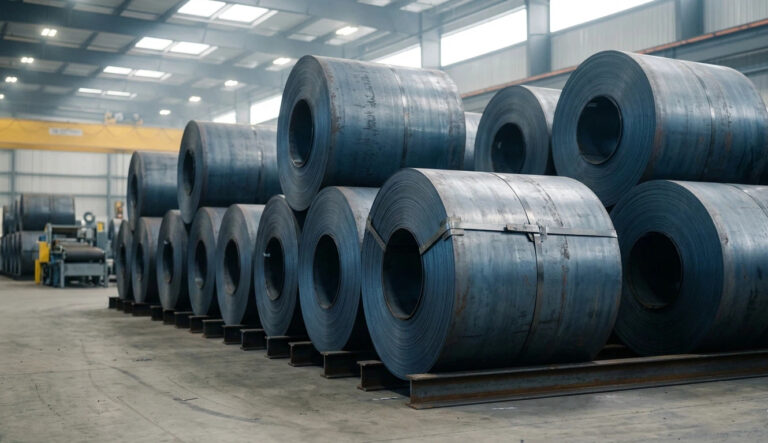

In industrial manufacturing, carbon steel and alloy steel are used in the production of nearly all basic structural components and critical parts. Different types of equipment, operating conditions, and usage environments impose varying demands on steel performance. Understanding the fundamental differences between these two types of steel is a crucial prerequisite for proper material selection.
Table of Contents
What is Alloy Steel?
Alloy steel is a type of steel made by intentionally adding one or more alloying elements to the base of iron and carbon. Common alloying elements include chromium, nickel, molybdenum, manganese, silicon, and vanadium. These elements can improve the mechanical properties and performance of the steel to varying degrees.
Through rational alloy design, alloy steel typically offers significant advantages in the following areas:
- Higher strength and hardness
- Improved wear resistance and fatigue performance
- Enhanced corrosion resistance or high-temperature capability
- Maintained structural stability under high loads or complex working conditions
Because its properties can be tailored to specific requirements, alloy steel is not a single material but a highly engineered steel system. It is widely used in fields such as machinery manufacturing, the automotive industry, construction equipment, and energy equipment.
What is Carbon Steel?
Carbon steel is a type of steel primarily composed of iron and carbon, with minimal amounts of other alloying elements, which usually exist only as unavoidable residuals. Depending on the carbon content, carbon steel can be classified into low-carbon steel, medium-carbon steel, and high-carbon steel, each with distinct characteristics in terms of strength, plasticity, and machinability.
Compared with alloy steel, carbon steel has a simpler composition and structure, which gives it the following characteristics in industrial applications:
- Stable raw material sources with a well-established supply system
- Mature processing, welding, and forming techniques
- Relatively low material cost, making it suitable for large-scale use
Therefore, carbon steel has long held a significant position in fields such as building structures, general machinery, and equipment frameworks.
Main Advantages of Carbon Steel
In comparison with alloy steel, the advantages of carbon steel are mainly reflected in its cost-effectiveness and processing adaptability. For most products with clear performance requirements and relatively stable operating conditions, carbon steel can meet functional needs while effectively controlling costs.
From an application perspective, carbon steel typically offers:
- Good machinability, suitable for cutting, welding, stamping, and forming
- Stable mechanical properties, suitable for conventional load conditions
- Established heat treatment processes, allowing strength and hardness adjustments within a certain range
In environments that do not involve high temperatures, heavy impact, or strong corrosion, carbon steel is often the more cost-effective material choice.
Core Advantages of Alloy Steel
The core advantage of this type of steel lies in the specificity and reliability of its performance. By carefully balancing the alloying elements, it can achieve an optimal combination of strength, toughness, wear resistance, and service life.
Compared with ordinary carbon steel, it typically exhibits:
- Higher load-bearing capacity and structural strength
- Improved wear resistance and fatigue performance
- Maintained stability under high temperatures, impact, or long-term operating conditions
For this reason, alloy steel can effectively reduce the risk of material failure in applications that demand high safety and reliability.
Performance Differences Between Alloy Steel and Carbon Steel
From an overall performance perspective, there is no absolute superiority between carbon steel and its alloyed counterpart; rather, their focus differs. Carbon steel emphasizes cost control and process stability, while the alloyed version prioritizes enhanced performance and environmental adaptability.
The main differences between the two are reflected in:
- Strength and durability: the alloyed steel is generally superior to carbon steel.
- Processing difficulty and material cost: carbon steel has the advantage.
- Applicable working conditions: the alloyed version covers a broader range, while carbon steel is mainly suited for conventional conditions.
These differences determine the distinct roles of alloy steel and carbon steel in industrial manufacturing.
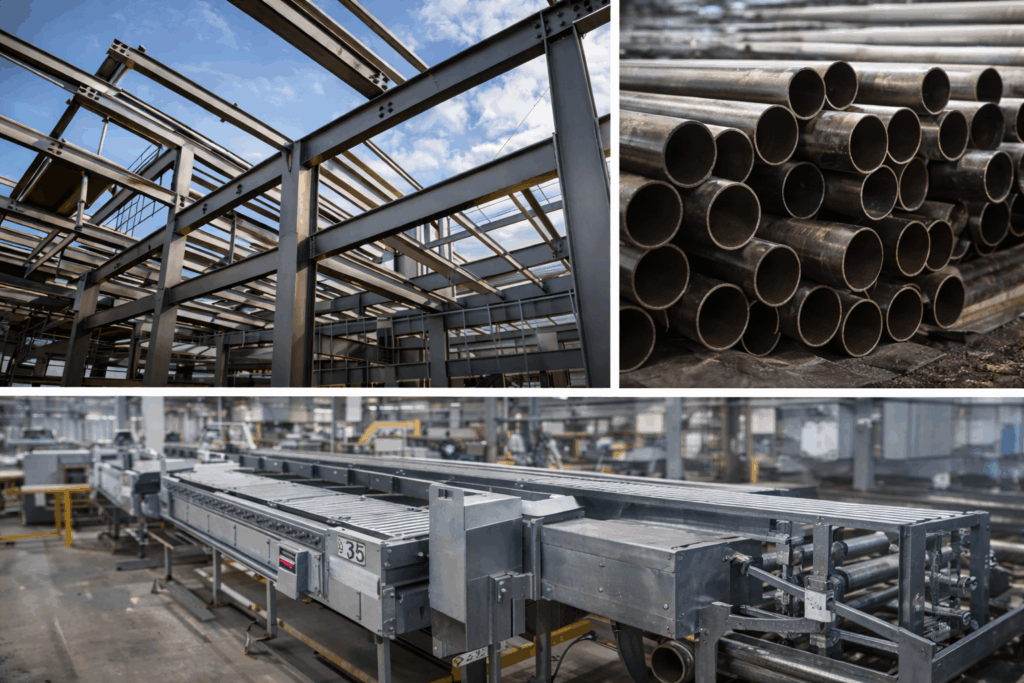
Typical Applications of Carbon Steel
Due to its stable performance and cost-effectiveness, carbon steel is widely used in the following areas:
- Structural components and load-bearing frameworks in construction
- General machinery parts and fasteners
- Conveying equipment, equipment casings, and standard components
- Industrial products with stable operating conditions and clear performance requirements
In these applications, carbon steel can effectively enhance manufacturing efficiency while ensuring reliability.
Typical Applications of Alloy Steel
Alloy steel is better suited for applications that demand higher performance and longer service life, such as:
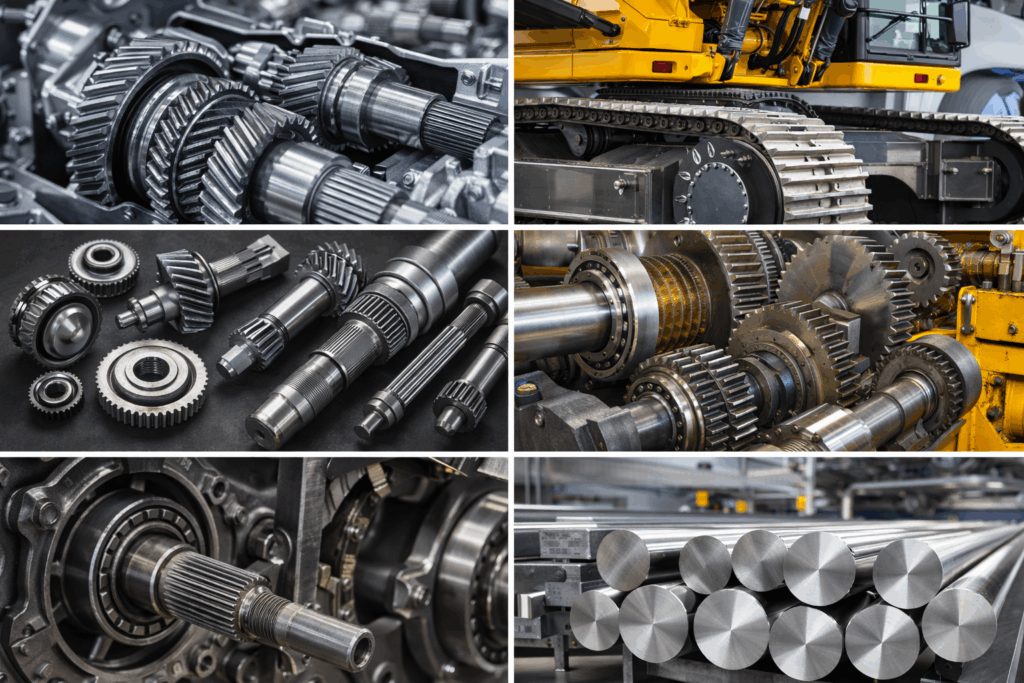
- Automotive transmission systems and critical load-bearing components
- Structural parts of construction machinery and heavy equipment
- Industrial equipment under high loads and long operating periods
- Core components requiring wear resistance, fatigue resistance, or high-temperature performance
In these scenarios, the advantages of alloy steel are mainly reflected in its stability and safety during long-term operation.
How to Choose Between Alloy Steel and Carbon Steel in Practical Applications
Overall, both carbon steel and its alloyed counterpart have value in industrial manufacturing. Carbon steel, with its good machinability, stable performance, and cost advantage, is suitable for structural components and conventional equipment. The alloyed version achieves superior strength, wear resistance, and environmental adaptability through alloy design, making it more suitable for complex working conditions and critical components.
In the actual material selection process, a comprehensive assessment should consider load conditions, operating environment, processing methods, cost control, and the product’s full lifecycle requirements. Only by achieving a reasonable balance between performance needs and resource investment can the advantages of alloy steel and carbon steel in industrial manufacturing be fully realized.