Welcome to My Blog!
Before we dive into the content, I’d love for you to join me on my social media platforms where I share more insights, engage with the community, and post updates. Here’s how you can connect with me:
Facebook:https://www.facebook.com/profile.php?id=100087990137347
LinkedIn:https://www.linkedin.com/company/89825762/admin/dashboard/
YouTube:www.youtube.com/@carbonsteelsupply-kj9lw
TikTok:www.tiktok.com/@carbonsteelsupply
Now, let’s get started on our journey together. I hope you find the content here insightful, engaging, and valuable.
Table of Contents
Introduction
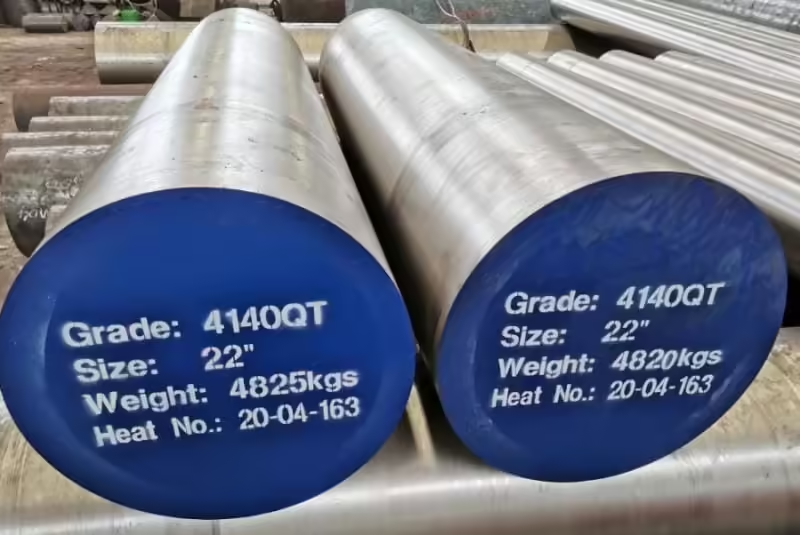
Forged steel is a cornerstone material in a wide array of industries, known for its strength, durability, and adaptability. Whether you’re working in construction, manufacturing, or the automotive sector, understanding how to choose the right forged steel is essential for achieving optimal results. This blog serves as a comprehensive guide to forged steel, exploring its characteristics, types, and applications. We’ll also delve into how to select the most suitable forged steel for your specific requirements, ensuring efficiency, reliability, and cost-effectiveness in your projects.
What is Forged Steel?
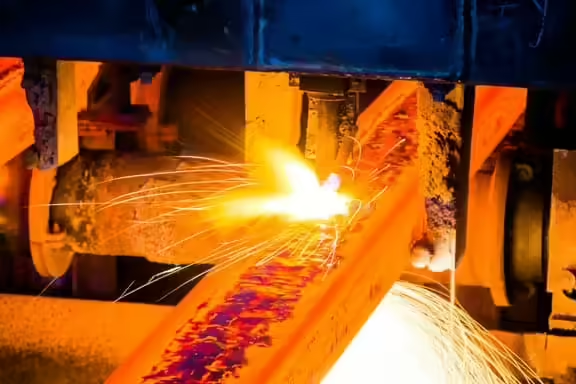
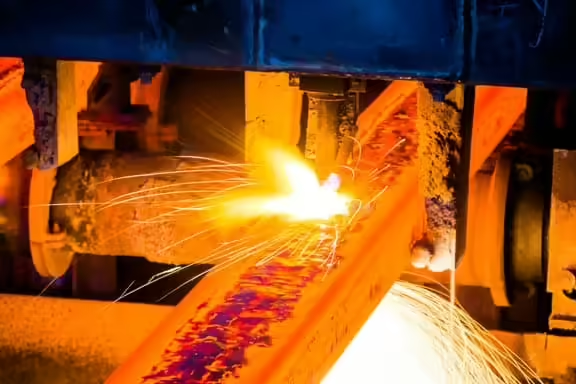
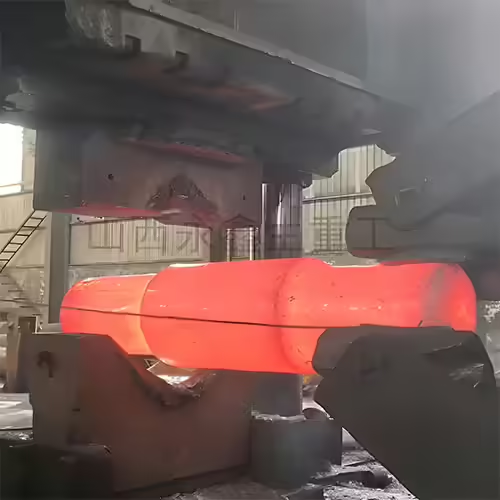
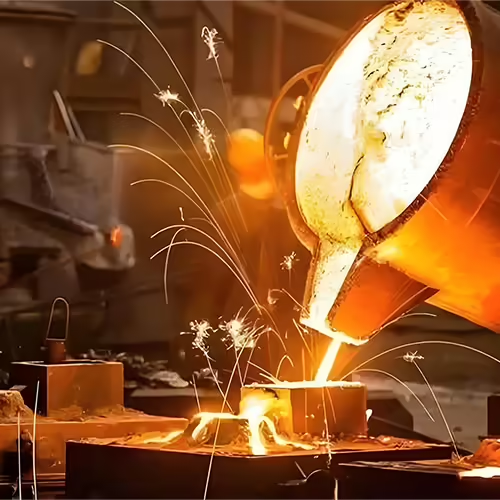
Forged steel is a material shaped through the process of forging, which involves heating metal until it’s malleable and then applying compressive forces to mold it into the desired shape. This process refines the grain structure of the steel, enhancing its mechanical properties such as strength, ductility, and resistance to impact. Forged steel is widely used in applications where strength and reliability are paramount, including construction tools, heavy machinery, and automotive parts. Its ability to withstand high stress and extreme temperatures makes it a top choice for demanding environments.
Why Forged Steel Stands Out


Superior Strength and Durability
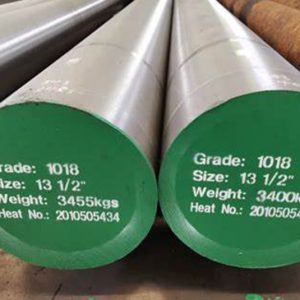
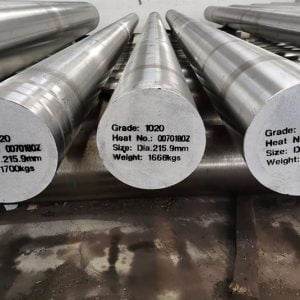
The forging process aligns the grain structure of the steel, enhancing its strength and making it more resistant to wear and tear. Forged steel components can withstand significant mechanical stress, making them ideal for high-impact applications.
Improved Toughness
Forged steel is tougher than other forms of steel due to the absence of voids or gas pockets, which are common in cast steel. This toughness ensures that forged steel components can endure harsh operating conditions without failure.
Customizability
Forged steel can be tailored to meet specific requirements. From its shape to its mechanical properties, the material offers flexibility to cater to diverse industrial needs. Various alloys can also be added to enhance certain attributes, such as corrosion resistance or heat tolerance.
Cost-Effective Performance
Despite its higher upfront cost compared to other materials, forged steel offers excellent long-term value due to its durability and reduced maintenance needs. This makes it a cost-effective solution for industries requiring high-performance materials.
Types of Forged Steel
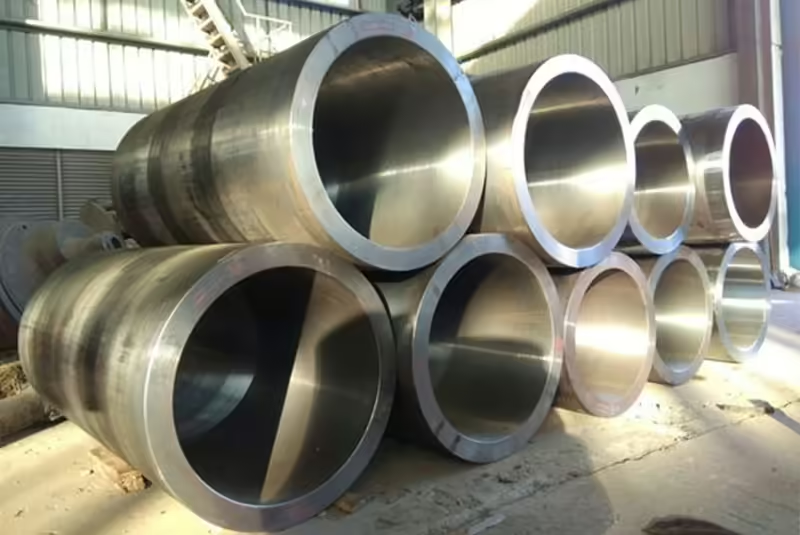
Forged steel can be classified into various types based on its composition and forging process. Understanding these distinctions is key to selecting the right material for your application.
Carbon Steel Forgings
Carbon steel forgings contain varying amounts of carbon, which influence their hardness, strength, and ductility. They are suitable for applications requiring moderate strength and wear resistance.
Applications include automotive parts, tools and equipment, pipes, and fittings.
Alloy Steel Forgings
Alloy steel forgings include additional elements such as chromium, nickel, or molybdenum to enhance specific properties like corrosion resistance or high-temperature strength.
Applications include aerospace components, high-performance gears, and valves.
Stainless Steel Forgings
Stainless steel forgings are highly resistant to corrosion and are often used in environments exposed to moisture or chemicals.
Applications include medical instruments, food processing equipment, and marine applications.
Tool Steel Forgings
Tool steel forgings are designed for use in cutting, pressing, or shaping applications. They are highly wear-resistant and maintain their properties at high temperatures.
Applications include cutting tools, dies and molds, and machine components.
Specialty Steel Forgings
Specialty steel forgings are tailored for unique applications requiring specific mechanical or chemical properties.
Applications include custom machinery, specialized automotive parts, and industrial equipment.
Table: Comparison of Forged Steel Types
| Type of Forged Steel | Key Characteristics | Common Applications | Advantages |
|---|---|---|---|
| Carbon Steel | Moderate strength and ductility | Automotive parts, tools, pipes | Affordable, versatile |
| Alloy Steel | Enhanced strength and corrosion resistance | Aerospace components, gears, valves | High performance, customizable |
| Stainless Steel | High corrosion resistance | Medical instruments, food processing, marine | Durable, low maintenance |
| Tool Steel | Wear-resistant, maintains properties at high temperatures | Cutting tools, dies, molds | Tough, heat-resistant |
| Specialty Steel | Customized properties | Custom machinery, industrial equipment | Tailored to specific needs |
How to Choose the Right Forged Steel for Your Needs
Define Your Application Requirements
Before selecting forged steel, consider the demands of your application. Factors such as operating environment, stress levels, and exposure to corrosive elements will influence your choice.
Evaluate Mechanical Properties
Determine the mechanical properties required for your application, such as tensile strength, hardness, and ductility. For example, high-stress environments may require alloy or tool steel, while corrosion-prone areas are better suited to stainless steel.
Consider Environmental Factors
The environment in which the forged steel will be used plays a significant role in material selection. For instance, marine applications benefit from stainless steel due to its resistance to saltwater corrosion.
Factor in Cost and Maintenance
While forged steel is cost-effective in the long run, it’s essential to consider upfront costs and ongoing maintenance requirements. Choosing the right type of steel can minimize repairs and extend the lifespan of components.
Consult Experts
When in doubt, consult with manufacturers or industry experts. They can provide valuable insights into material selection, ensuring that you choose the best forged steel for your needs.
Conclusion
Forged steel is an indispensable material across various industries, offering unmatched strength, durability, and versatility. By understanding the different types of forged steel and their unique properties, you can make an informed decision tailored to your specific application needs. Choosing the right forged steel involves evaluating factors such as mechanical properties, environmental conditions, and cost considerations. With the right material, you can enhance the efficiency, reliability, and longevity of your projects.
FAQ
What is the difference between forged steel and cast steel?
Forged steel is shaped by compressive forces, refining its grain structure and enhancing strength and toughness. Cast steel, on the other hand, is formed by pouring molten metal into molds, which may contain voids or impurities, resulting in lower overall strength.
Can forged steel be used in high-temperature applications?
Yes, certain types of forged steel, such as alloy and tool steel, are designed to perform well in high-temperature environments. These materials maintain their mechanical properties even under extreme heat.
How do I determine the right forging process for my project?
The choice of forging process—open-die, closed-die, or seamless rolled ring forging—depends on factors such as the size, complexity, and quantity of the components required. Consulting with a manufacturer can help you choose the most suitable process.
Is forged steel resistant to corrosion?
While some forged steels, such as stainless steel, are highly resistant to corrosion, others, like carbon steel, may require surface treatments or coatings to enhance their resistance.
What industries rely on forged steel the most?
Forged steel is widely used in industries such as automotive, aerospace, construction, and manufacturing, where strength, durability, and reliability are critical.