Bem-vindo ao Meu Blog!
Antes de mergulharmos no conteúdo, EU adoraria que você se juntasse a mim em minhas plataformas de mídia social, onde compartilho mais insights, me envolva com a comunidade e publique atualizações. Veja como você pode se conectar comigo:
Facebook:https://www.facebook.com/profile.php?id=100087990137347
LinkedIn:https://www.linkedin.com/company/89825762/admin/dashboard/
YouTube:www.youtube.com/@carbonsteelsupply-kj9lw
TikTok:www.tiktok.com/@carbonsteelsupply
Agora, vamos começar nossa jornada juntos Espero que você ache o conteúdo aqui perspicaz, envolvente e valioso.
Índice
Introdução: 4140 Steel and 1.2379 Steel

High-strength 4140 Steel and wear-resistant 1.2379 Steel, ideal for heavy-duty, precision applications in manufacturing and tooling.
4140 Steel
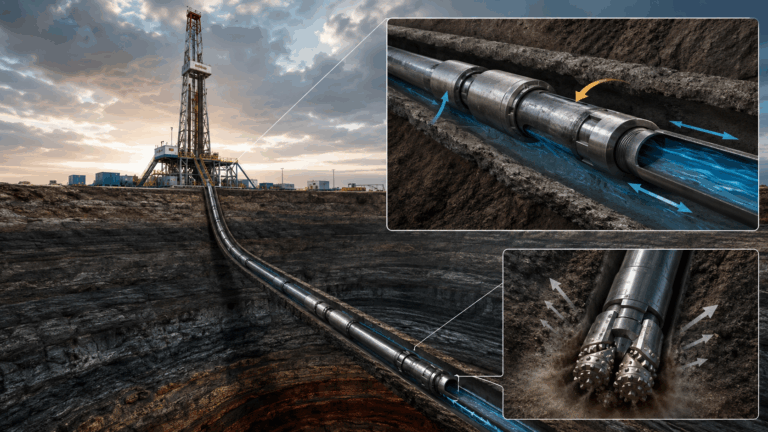
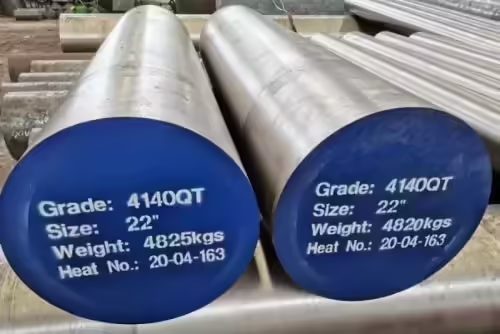
4140 steel is an alloy structural steel, known for its high strength, hardenability and good toughness, less deformation when quenching, 4140 steel is widely used in applications that require high strength and wear resistance, such as gear, shafts, connecting rods, tools and molds, due to its excellent fatigue strength and impact performance, it is also commonly used in petroleum, aerospace and automotive industries.
1.2379 Steel
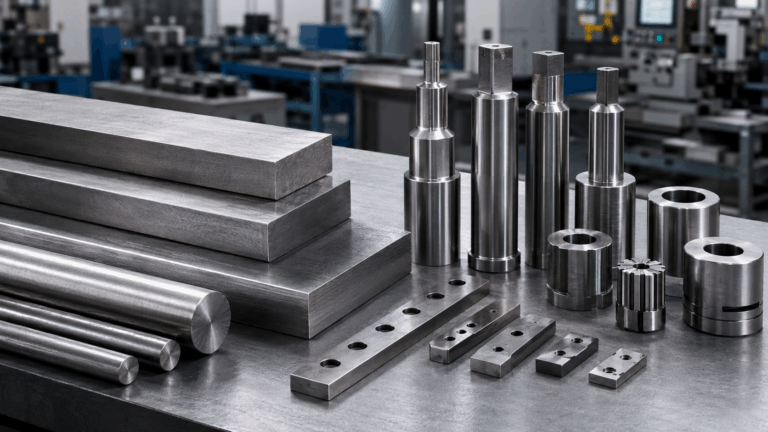
1.2379 steel is a high carbon high Cr alloy tool steel, other elements in this steel such as V and Mo, making 1.2379 steel contain excellent wear resistance and hardness. 1.2379 steel is widely used in manufacturing cold-work molds, cutting tools and other tools.
Chemical Composition: 4140 Steel and 1.2379 Steel
4140 Steel
| Grau | C | Si | Mn | P | S | Cr | Ni | Mo |
| 4140 | 0.38-0.43 | 0.15-0.35 | 0.75-1.0 | ≤ 0.040 | ≤ 0.030 | 0.80-1.10 | ≤ 0.030 | 0.15-0.25 |
1.2379 Steel
| Grau | C | Si | Mn | P | S | Cr | Ni | Mo |
| 1.2379 | 1.45-1.7 | ≤0.40 | ≤0.40 | ≤0.03 | ≤0.03 | 11.0-12.5 | ≤ 0.025 | 0.4-0.6 |
Comparison of 4140 steel and 1.2379 steel
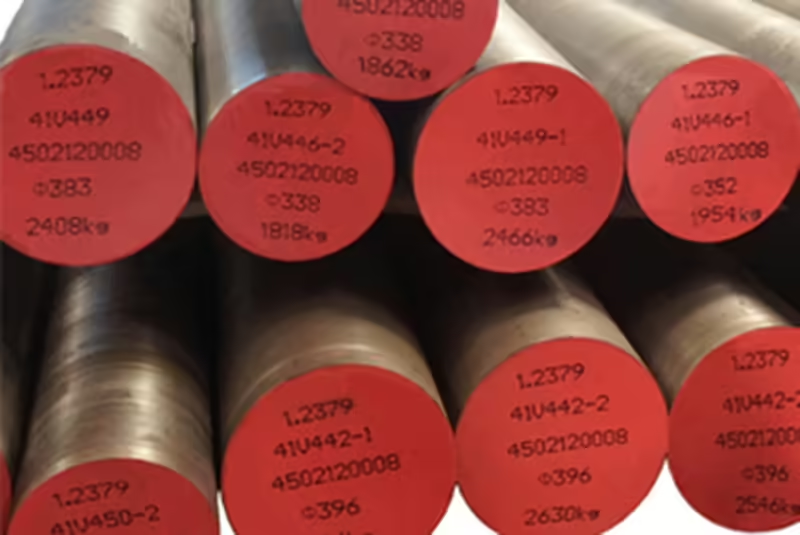
Common
High strength and hardness: Both two steels can increase their strength and hardness through heat treatment. The hardness of 4140 steel can reach HRC 28-32 after heat treatment, while 1.2379 steel has high hardness and wear resistance, and has strong hardenability and good dimensional stability after heat treatment.
Good wear resistance: Both steels have good wear resistance, suitable for manufacturing components that requires wear resistance.
Quenching and tempering: Both steel materials are suitable to quench and temper to obtain the ideal mechanical properties.
Widely used: Both steels are widely used in the industrial fields, especially where high strength and wear resistance are required.
Containing alloy elements: Both steel materials contain alloy elements such as Cr and Mo, the addition of these elements improved the performance of the steel materials.
Good toughness: Both steel materials have good toughness, enable them not easy to break under impact and pressure.
Suitable for the manufacture of mechanical parts and tools: Both steels are suitable for the manufacture of various mechanical parts and tools, such as gears, shafts, connecting rods, tool and molds etc.
Difference: 4140 Steel and 1.2379 Steel
Composição química:
4140: (C) 0.38~0.43%,(Cr) 0.80~1.10%,(Mo) 0.15~0.25%.
1.2379: (C) 1.45~1.68%,(Cr) 11.00~12.50%,(V) 0.7~0.98%,(Mo) 0.70~0.98%.
Carbon content:
4140 steel is medium carbon steel with low carbon content.
1.2379 steel is high carbon steel with high carbon content, making 1.2379 steel obtain higher hardness after heat treatment.
Cr content:
4140 steel has lower Cr content.
1.2379 steel has higher Cr content, which can improve the hardness and wear resistance of the steel.
V and Mo content:
4140 steel does not has V element.
1.2379 has V and Mo, the addition of these elements can improve the wear resistance and strength of the steel.
Hardness of the steel after heat treatment:
4140 steel can reach to HRC 28-32 after heat treatment.
1.2379 steel can reach to 60-62 HRC after heat treatment, with higher hardness and wear resistance.
Wear resistance and compressive strength:
4140 steel has good wear resistance and compressive strength.
Due to high carbon content and high Cr content, 1.2379 steel has better wear resistance and higher compressive strength.
Toughness:
4140 steel has good toughness.
1.2379 steel also has good toughness, but due to its high carbon content, its toughness may be slightly lower than that of 4140 steel in certain cases.
Application Scenario: 4140 Steel and 1.2379 Steel
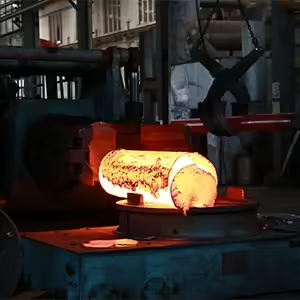
4140 Steel
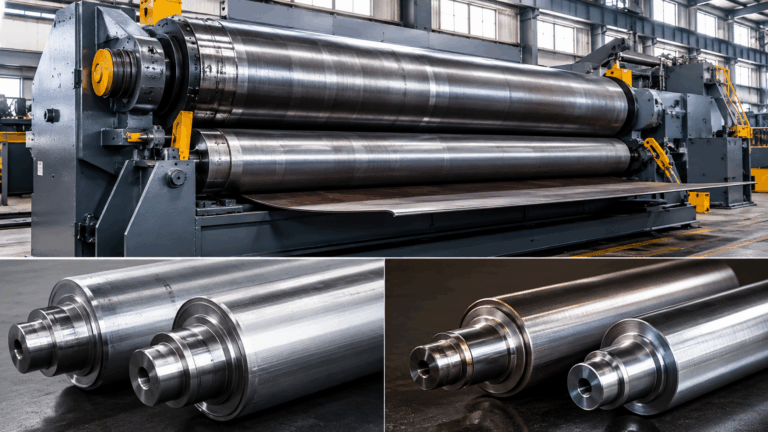
Manufacturing of Mechanical Parts: 4140 steel is widely used for making mechanical components such as gears, shafts, connecting rods, and piston rods due to its strength and toughness.
Oil and gas, Aerospace, and Automotive Industries: Thanks to its excellent fatigue strength and impact resistance, 4140 steel is commonly used in the oil and gas, aerospace, and automotive industries.
Thin- walled pressure vessels: 4140 steel is used in the production of thin-walled pressure vessels, forged gears, and shafts.
High-Strength Bolts and Valve Covers: 4140 steel is also used for manufacturing high-strength bolts, valve covers, screws, nuts, and similar components.
Carburized Parts: 4140 steel is suitable for producing various carburized parts, thanks to its good hardenability
1.2379 steel
Cold stamping dies: 1.2379 steel is suitable for the production of various high-speed punching dies for silicon steel sheets, precision stamping dies, cold extrusion forming dies, deep drawing dies, and punching dies.
High-efficiency shears for thin materials: This steel is ideal for high-efficiency shears used for cutting thin sheets, deep drawing dies, and tube drawing dies.
Complex and easily deformable tool molds: 1.2379 steel is used for making complex and easily deformable tool molds, offering high wear resistance and a long service life for various cold stamping molds.
Cold-work molds: Suitable for cold work molds that require excellent wear resistance and good toughness, including embossing molds and cold forging dies.
Heavy-duty stamping dies: It is used in heavy-duty stamping dies, cold shearing blades, thread rolling plates, and similar high-load applications.
Cold heading dies and ceramic molds: 1.2379 steel is used for manufacturing cold heading dies and ceramic molds.
Deteriorative Plastic Molding Dies: It is also used for making deteriorative plastic molding dies.
4140 vs 1.2379 which one should I choose?
4140 steel characteristics:
High strength, hardenability, good toughness, small deformation during quenching.
High creep strength and lasting strength at high temperature.
Good comprehensive mechanical properties and manufacturability.
1.2379 steel characteristics:
High carbon and high Cr alloy steel has high hardness and wear resistance after heat treatment.
Strong hardenability, good dimensional stability.
Vacuum degassing refining treatment of pure steel, undergoes spheroidizing annealing for softening, and exhibits good machinability.
If your application requires high strength, high toughness and good heat treatment properties, 4140 steel may be a better choice.
If your application requires extremely high hardness, wear resistance and dimensional stability, especially in the field of cold working molds and high-precision tool manufacturing, 1.2379 steel may be suitable for your needs.
Conclusão
Both 4140 steel and 1.2379 steel are high strength alloy steel, but there are some difference in usage scenario and characteristics. 4140 steel is suitable for the manufacture of mechanical parts and high strength structural parts, such as gears, shafts and fasteners. While 1.2379 steel is particularly suitable for the manufacture of cold work molds and high precision tools due to its excellent wear resistance and hardness. The choice of material depends on the application requirements: 4140 steel for toughness and strength, 1.2379 steel for wear resistance and hardness.
FAQ
What is the main difference between 4140 and 1.2379 steel?
4140 steel is a medium alloy steel with high strength and toughness, suitable for manufacture of high strength fasteners and mechanical parts. While 1.2379 steel is a high carbon high Cr alloy tool steel, with higher hardness and wear resistance, suitable for manufacture of cold-work molds and high precision tools.
Which steel has better heat treatment performance?
1.2379 steel has better heat treatment performance due to its high carbon and high Cr content, it can achieve higher hardness and wear resistance. Although 4140 steel can also be heat treated, its hardness and wear resistance are usually lower than that of 1.2379 steel.
What is the difference in corrosion resistance between 4140 steel and 1.2379 steel?
Both steel materials has medium corrosion resistance, but due to different in alloy composition, 4140 steel has better corrosion resistance. However, unless they are coated or otherwise protected, they may not be the best choice for extremely corrosive environments.