Bem-vindo ao Meu Blog!
Antes de mergulharmos no conteúdo, EU adoraria que você se juntasse a mim em minhas plataformas de mídia social, onde compartilho mais insights, me envolva com a comunidade e publique atualizações. Veja como você pode se conectar comigo:
Facebook:https://www.facebook.com/profile.php?id=100087990137347
LinkedIn:https://www.linkedin.com/company/89825762/admin/dashboard/
YouTube:www.youtube.com/@carbonsteelsupply-kj9lw
TikTok:www.tiktok.com/@carbonsteelsupply
Agora, vamos começar nossa jornada juntos Espero que você ache o conteúdo aqui perspicaz, envolvente e valioso.
Índice
Introdução
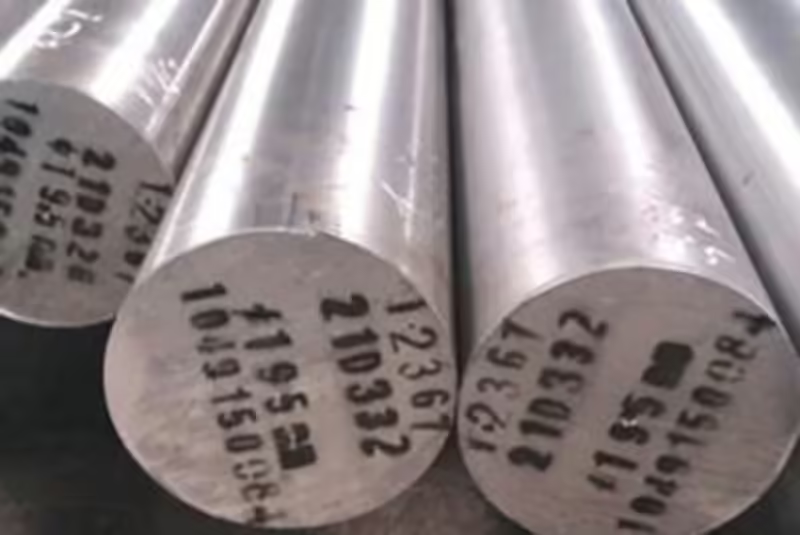
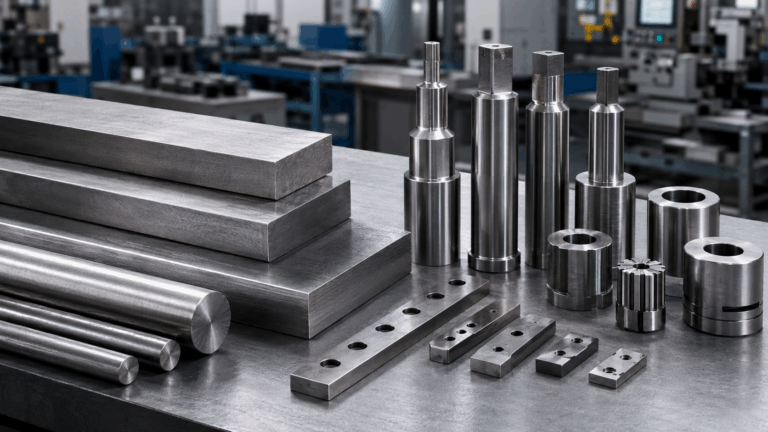
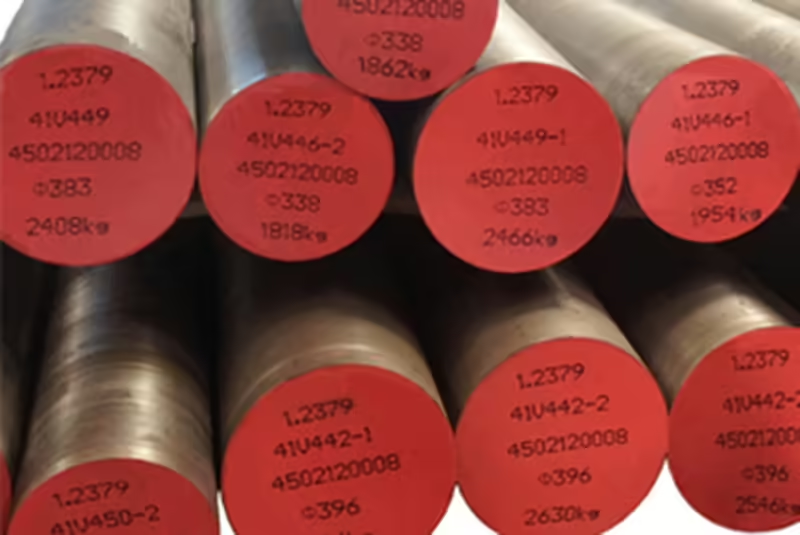
Tool steel is a class of high-carbon steel specifically designed for crafting tools. Its defining characteristics are hardness, toughness, and resistance to wear and heat, making tool steel uses incredibly diverse. From the simplest hand tools to complex industrial machinery,ool steel is a critical component. Understanding tool steel uses is essential for anyone involved in manufacturing, engineering, or even DIY projects.
Types of Tool Steel and Their Uses
The world of tool steel is varied, with numerous types tailored to specific applications. Understanding these different types is key to maximizing tool steel uses. Some of the most common types and their typical tool steel uses include:
- High-speed steel (HSS): HSS is engineered for high-speed cutting operations, a crucial aspect of many tool steel use. Its ability to retain hardness at elevated temperatures makes it ideal for drills, taps, and milling cutters, where friction generates significant heat. Tool steel use involving high-speed machining often rely on HSS.
- Cold-work tool steel: Cold-work tool steel excels in applications at room temperature. Its high hardness and wear resistance make it suitable for dies, punches, and shears. Many tool steel uses in stamping and forming operations utilize cold-work varieties.
- Hot-work tool steel: When tools operate at high temperatures, hot-work tool steel is the material of choice. Its resistance to softening at elevated temperatures is essential for forging dies and extrusion dies. Tool steel use in metalworking often involve hot-work steels.
- Aço para moldes: Mold steel is specifically designed for creating molds, primarily for plastics and other materials. Its machinability and ability to hold a precise shape are vital for injection molding and die casting. Tool steel use in plastics manufacturing are heavily reliant on mold steel.
Aço para ferramentas Applications in Manufacturing

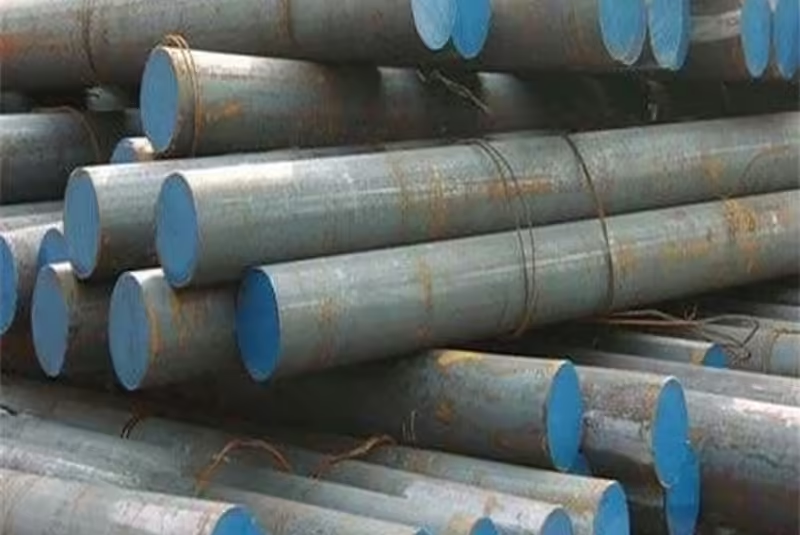
Tool steel uses are prevalent throughout the manufacturing landscape. Here are some key processes where tool steel plays a vital role:
- Cutting: From cutting metal to shaping wood, tool steel is the backbone of cutting tools. Drills, taps, milling cutters, and saw blades all rely on the hardness and wear resistance of tool steel. The wide range of tool steel use in cutting operations underscores its importance.
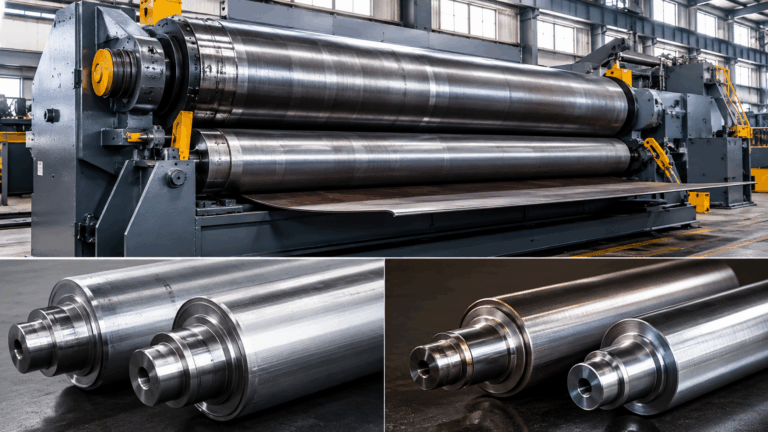
- Forming: Dies and punches used in metal forming processes are frequently made from tool steel. These tools must withstand high forces and maintain their shape to produce accurate parts. Tool steel use in forming are essential for industries like automotive and aerospace.
- Molding: In the realm of plastics and die casting, tool steel molds are indispensable. They enable the mass production of complex shapes with high precision. Tool steel uses in molding are critical for consumer goods and industrial components.
Tool Steel in Various Industries
The scope of tool steel uses spans across numerous industries, highlighting its versatility:
- Aeroespacial: Aircraft manufacturing demands high-strength, lightweight components. Tool steel is used to create tools for machining and forming these parts, demonstrating critical tool steel uses in aerospace.
- Automotive: The automotive industry relies heavily on tool steel for manufacturing car parts, from engine components to body panels. Tool steel uses in the automotive sector are vast and varied.
- Electronics: Producing intricate electronic components requires precision tooling. Tool steel is used to make the tools for manufacturing these delicate parts, showcasing tool steel uses in electronics.
- Medical: Medical devices often require specialized tooling for production. Tool steel is used to manufacture tools for creating these devices, highlighting important tool steel uses in the medical field.
Advantages of Using Aço para ferramentas


Tool steel offers a unique combination of properties that make its uses so widespread:
- Dureza: Tool steel’s inherent hardness provides excellent resistance to wear, extending tool life and reducing downtime. This is a fundamental reason for the extensive tool steel uses.
- Toughness: Beyond hardness, tool steel also possesses toughness, enabling it to withstand impact and shock without fracturing. This is a key factor in many tool steel uses involving heavy-duty operations.
- Wear resistance: The ability to resist wear is paramount in many tool steel uses. This ensures that tools maintain their cutting edge and dimensional accuracy over extended periods.
- Heat resistance: Certain tool steels are designed to withstand high temperatures, a crucial requirement for tool steel uses in hot working and high-speed machining.
Selecting the Right Tool Steel for the Job
Choosing the correct tool steel is crucial for optimizing performance and tool life. Understanding the various tool steel uses is the first step. Here are factors to consider:
- The type of tool: The intended function of the tool dictates the necessary properties of the tool steel. Different tool steel uses require different characteristics.
- The operating conditions: Temperature, speed, and the material being worked all influence the choice of tool steel. Matching tool steel uses to operating conditions is essential.
- The cost: While performance is paramount, cost is also a consideration. Balancing tool steel uses with budget constraints is often necessary.
Aço para ferramentas Properties and Comparison
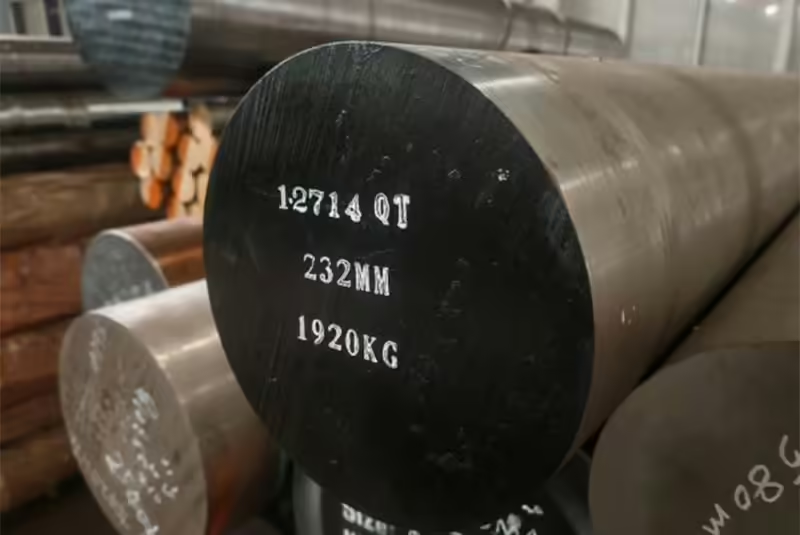
This table provides a comparative overview of common tool steel types and their properties, whic are crucial for understanding tool steel uses:
| Tool Steel Type | Dureza | Toughness | Wear Resistance | Heat Resistance | Common Tool Steel Uses |
|---|---|---|---|---|---|
| High-speed steel | Alto | Médio | Alto | Alto | Drills, taps, milling cutters, high-speed machining |
| Cold-work steel | Alto | Alto | Alto | Baixo | Dies, punches, shears, cold forming operations |
| Hot-work steel | Alto | Médio | Médio | Alto | Forging dies, extrusion dies, hot metalworking |
| Aço para moldes | Médio | Alto | Médio | Baixo | Molds for plastics and other materials, injection molding |
Conclusão
Tool steel is a cornerstone of modern manufacturing and countless other industries. Its unique combination of properties makes tool steel uses incredibly diverse and essential. From the smallest cutting tool to the largest forming die, tool steel plays a vital role in shaping the world around us. Understanding the different types of tool steel and their respective tool steel uses is crucial for anyone involved in design, manufacturing, or engineering.
FAQ
Q: What is tool steel?
A: Tool steel is a specialized class of high-carbon steel designed specifically for making tools. Its key characteristics are hardness, toughness, and resistance to wear and heat, which enable its wide range of tool steel uses.
Q: What are the different types of tool steel?
A: Several types of tool steel exist, each tailored for specific applications. Common types include high-speed steel, cold-work tool steel, hot-work tool steel, and mold steel. Each type has unique properties that make it suitable for particular tool steel uses.
Q: What are the advantages of using tool steel?
A: Tool steel offers numerous advantages, including high hardness, toughness, wear resistance, and, in some cases, heat resistance. These properties make tool steel uses highly desirable in demanding applications.
Q: What are some common applications of tool steel?
A: Tool steel uses are vast and varied, encompassing cutting tools, forming tools, molds, dies, and more. Industries ranging from aerospace to medical rely on tool steel for manufacturing essential components.