Welcome to My Blog! Do you know the difference between alloy steel and stainless steel? This blog will tell you and help you better understand them.
Antes de mergulharmos no conteúdo, EU adoraria que você se juntasse a mim em minhas plataformas de mídia social, onde compartilho mais insights, me envolva com a comunidade e publique atualizações. Veja como você pode se conectar comigo:
Facebook:https://www.facebook.com/profile.php?id=100087990137347
LinkedIn:https://www.linkedin.com/company/89825762/admin/dashboard/
YouTube:www.youtube.com/@carbonsteelsupply-kj9lw
TikTok:www.tiktok.com/@carbonsteelsupply
Agora, vamos começar nossa jornada juntos Espero que você ache o conteúdo aqui perspicaz, envolvente e valioso.
Índice
Introdução
In the realm of metallurgy and manufacturing, understanding the differences between various types of steel is crucial for making informed decisions. Two commonly used materials are alloy steel and stainless steel. Each has unique properties and applications that make them suitable for different industrial and commercial needs.
This comprehensive guide will delve into the key differences between alloy steel and stainless steel, helping you understand their characteristics, benefits, and ideal uses. Whether you are an engineer, a manufacturer, or a procurement manager in India, this guide will provide you with valuable insights to enhance your projects and operations.
Compreensão Liga Aço
Alloy steel is a type of steel that has been enhanced with various alloying elements such as chromium, nickel, molybdenum, and vanadium. These elements are added to improve the steel’s properties, making it stronger, more durable, and resistant to wear and tear. Alloy steel is widely used in industries that require high-strength materials, such as construction, automotive, and manufacturing.
Key Properties of Alloy Steel
- Força: Alloy steel is known for its high tensile strength and yield strength, making it suitable for applications that require load-bearing components.
- Durabilidade: The addition of alloying elements enhances the steel’s resistance to wear and tear, ensuring long-term performance.
- Toughness: Alloy steel is highly tough and can withstand significant impact without breaking.
- Maquinabilidade: Alloy steel is relatively easy to machine, allowing for precise fabrication and customization.
Compreensão Aço Inoxidável
Stainless steel is a type of steel that contains at least 10.5% chromium. This chromium content forms a passive oxide layer on the surface, providing excellent corrosion resistance. Stainless steel is widely used in applications where resistance to rust and environmental factors is crucial, such as in food processing, medical equipment, and household appliances.
Key Properties of Stainless Steel
- Resistência à corrosão: Stainless steel’s high chromium content provides excellent resistance to rust and corrosion, making it suitable for use in wet or harsh environments.
- Força: While not as strong as alloy steel, stainless steel still offers good tensile strength and durability.
- Aesthetic Appeal: Stainless steel has a shiny, polished appearance that is visually appealing, making it suitable for decorative applications.
- Hygiene: Stainless steel is easy to clean and maintain, making it ideal for applications where hygiene is important, such as in food processing and medical equipment.
A Comprehensive Table: Difference Between Alloy Steel and Stainless Steel
To provide a clearer understanding of the differences between alloy steel and stainless steel, the following table summarizes key specifications:
| Feature | Liga Aço | Aço Inoxidável |
|---|---|---|
| Primary Alloying Element | Chromium, Nickel, Molybdenum, Vanadium | Chromium (at least 10.5%) |
| Força | High tensile strength and yield strength | Moderate tensile strength |
| Resistência à corrosão | Moderate to high, depending on alloying elements | High, due to chromium content |
| Durabilidade | High resistance to wear and tear | High resistance to rust and corrosion |
| Maquinabilidade | Good, can be easily machined | Good, but may require specialized tools |
| Aesthetic Appeal | Matte finish, suitable for structural applications | Shiny, polished finish, suitable for decorative applications |
| Aplicações Comuns | Construction, automotive, manufacturing | Food processing, medical equipment, household appliances |
This table highlights the key differences between alloy steel and stainless steel, helping you identify the right material for your specific needs.
Practical Applications of Alloy Steel and Stainless Steel
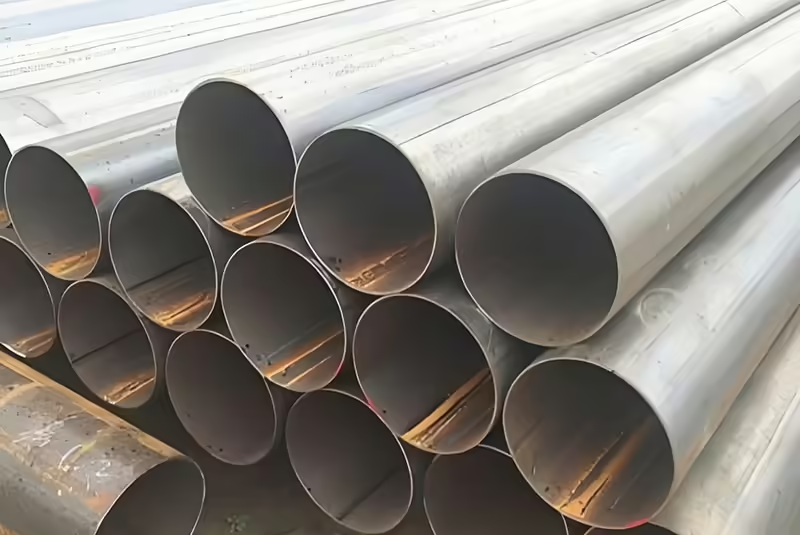
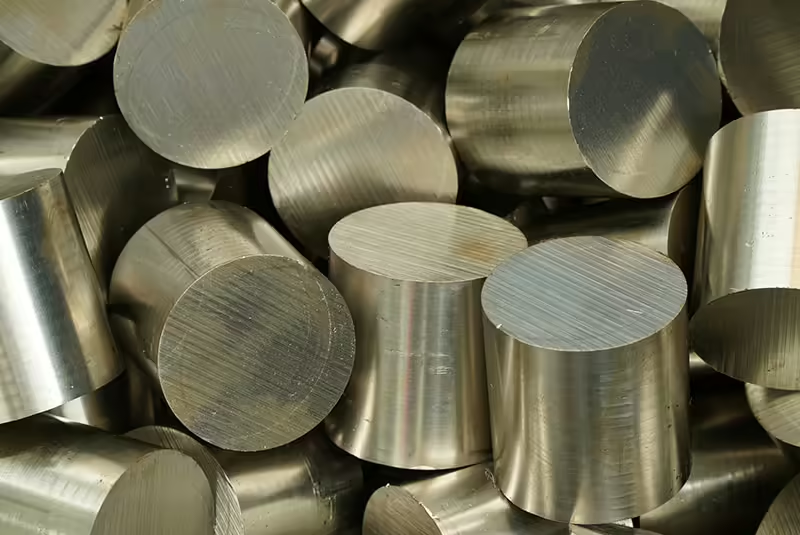
Both alloy steel and stainless steel have a wide range of applications across different industries. Understanding their ideal uses can help you make the right choice for your project.
Alloy Steel Applications
- Construction: Structural beams, columns, and reinforcement bars.
- Automotive: Engine components, chassis, and body panels.
- Manufacturing: Machinery, tools, and equipment.
- Agriculture: Farm machinery and equipment.
Stainless Steel Applications
- Food Processing: Equipment, utensils, and storage containers.
- Medical Equipment: Surgical instruments, implants, and medical devices.
- Household Appliances: Refrigerators, ovens, and sinks.
- Construction: Architectural elements, handrails, and decorative panels.
Benefits of Using Alloy Steel
Using alloy steel offers several benefits that make it a preferred choice for many applications:
High Strength
Alloy steel’s high tensile and yield strength make it suitable for applications that require load-bearing components, ensuring long-term reliability and performance.
Durabilidade
The addition of alloying elements enhances the steel’s resistance to wear and tear, reducing maintenance costs and extending the lifespan of the material.
Cost-Effectiveness
While alloy steel may be more expensive than traditional carbon steel, its enhanced properties often result in long-term cost savings due to reduced maintenance and longer service life.
Versatilidade
Alloy steel can be tailored to meet specific requirements by adjusting the composition of alloying elements, making it suitable for a wide range of applications.
Benefits of Using Stainless Steel
Using stainless steel offers several benefits that make it a preferred choice for applications where corrosion resistance and hygiene are crucial:
Resistência à corrosão
Stainless steel’s high chromium content provides excellent resistance to rust and corrosion, making it suitable for use in wet or harsh environments.
Hygiene
Stainless steel is easy to clean and maintain, making it ideal for applications where hygiene is important, such as in food processing and medical equipment.
Aesthetic Appeal
Stainless steel has a shiny, polished appearance that is visually appealing, making it suitable for decorative applications and architectural elements.
Durabilidade
While not as strong as alloy steel, stainless steel still offers good tensile strength and durability, ensuring long-term performance.
Choosing the Right Material for Your Project
Selecting the right material involves understanding your specific project requirements and choosing a material that meets those needs. Consider the following factors when making your decision:
Project Requirements
Determine the specific requirements of your project, including the type of application, environmental conditions, and aesthetic considerations. This information will help you choose the right material for your needs.
Material Properties
Consider the properties of alloy steel and stainless steel, such as strength, corrosion resistance, and durability. Choose a material that offers the necessary properties for your application.
Cost Considerations
Evaluate your budget and choose a material that offers the best value for your money. While stainless steel may be more expensive than alloy steel, its enhanced corrosion resistance can result in long-term cost savings.
Maintenance and Support
Choose a material that is easy to maintain and for which support and spare parts are readily available. This ensures that your equipment remains in good working condition over its lifespan.
Future Trends in Steel Technology
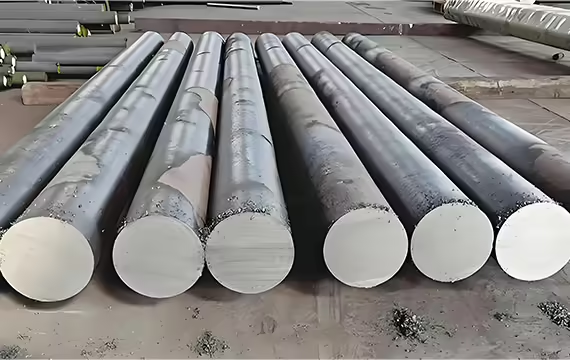
As technology continues to advance, both alloy steel and stainless steel are becoming more sophisticated and efficient. Innovations in manufacturing processes, alloying elements, and surface treatments are enhancing the performance and versatility of these materials. Additionally, the growing focus on sustainability is driving the development of more eco-friendly steel products, making them even more attractive for modern applications.
Conclusão
Understanding the differences between alloy steel and stainless steel is essential for making informed decisions when selecting materials for your projects. Alloy steel’s high strength and durability make it suitable for applications that require load-bearing components, while stainless steel’s corrosion resistance and hygiene make it ideal for environments where rust and cleanliness are concerns. By considering your project requirements, material properties, cost considerations, and maintenance needs, you can choose the right material for your specific needs.
If you are looking to invest in high-quality steel products or need assistance with customization, contactar-nos today. Our team of experts will guide you through the options and help you choose the perfect material for your project. Enhance your operations with our superior steel solutions and experience the benefits of modern metallurgy.
FAQ
What is the main difference between alloy steel and stainless steel?
The main difference lies in their composition and properties. Alloy steel is enhanced with elements like chromium, nickel, molybdenum, and vanadium to improve strength and durability. Stainless steel contains at least 10.5% chromium, providing excellent corrosion resistance and a shiny finish.
Is corrosion resistance a key difference between alloy steel and stainless steel?
Yes, corrosion resistance is a major difference between alloy steel and stainless steel. Stainless steel is specifically designed to resist oxidation and rust, making it ideal for use in wet or chemically aggressive environments. Alloy steel may corrode more easily unless it has protective coatings or specific alloying elements.
How does cost reflect the difference between alloy steel and stainless steel?
Cost is an important factor in the difference between alloy steel and stainless steel. Generally, alloy steel is less expensive due to its lower chromium content and simpler manufacturing process. Stainless steel is costlier upfront but can offer savings in maintenance and longevity, especially in corrosive environments.
What industries are most affected by the difference between alloy steel and stainless steel?
The difference between alloy steel and stainless steel matters greatly in industries such as construction, manufacturing, automotive, and food processing. Alloy steel is favored in high-strength applications like heavy equipment and pipelines, while stainless steel is preferred in environments that demand hygiene and corrosion resistance, like kitchens, hospitals, and marine settings.
Does the difference between alloy steel and stainless steel affect machinability and welding?
Yes, the difference between alloy steel and stainless steel can influence both machinability and welding. Alloy steel is generally easier to machine and weld, depending on its composition. Stainless steel, especially the austenitic grades, may require special tools and techniques due to its toughness and work hardening characteristics.