Bem-vindo ao Meu Blog!
Antes de mergulharmos no conteúdo, EU adoraria que você se juntasse a mim em minhas plataformas de mídia social, onde compartilho mais insights, me envolva com a comunidade e publique atualizações. Veja como você pode se conectar comigo:
Facebook:https://www.facebook.com/profile.php?id=100087990137347
LinkedIn:https://www.linkedin.com/company/89825762/admin/dashboard/
YouTube:www.youtube.com/@carbonsteelsupply-kj9lw
TikTok:www.tiktok.com/@carbonsteelsupply
Agora, vamos começar nossa jornada juntos Espero que você ache o conteúdo aqui perspicaz, envolvente e valioso.
Introdução

When it comes to choosing the right stainless steel for industrial, commercial, and residential applications, two of the most commonly used alloys are 304L stainless steel alloy and 316L stainless steel alloy. These two alloys are part of the austenitic family of stainless steels and share many similarities, but there are key differences that make each one suitable for different applications. In this blog post, we’ll explore the key differences between 304L stainless steel alloy and 316L stainless steel alloy, highlighting their properties, performance, and the best use cases for each material.
What is 304L Stainless Steel Alloy?
304L stainless steel alloy is a low-carbon version of 304 stainless steel. It is a highly versatile and widely used alloy, known for its excellent corrosion resistance, formability, and strength. The lower carbon content of 304L helps reduce the risk of carbide precipitation during welding, making it ideal for welded applications where the material may be exposed to high temperatures.
Key Properties of 304L Stainless Steel Alloy:
- Corrosion resistance: Excellent resistance to oxidation and corrosion in most environments.
- Weldability: Due to its low carbon content, 304L has improved weldability compared to 304 steel.
- Formability: Can be easily shaped into different forms, such as sheets, pipes, and bars.
- Strength: Maintains its mechanical properties at a wide range of temperatures.
304L stainless steel alloy is commonly used in industries like food processing, chemical processing, pharmaceuticals, and architecture due to its high resistance to corrosion and ease of fabrication.
What is 316L Stainless Steel Alloy?
316L stainless steel alloy is also an austenitic steel, similar to 304L, but with the addition of molybdenum (typically around 2-3%). This addition significantly enhances the corrosion resistance, particularly against chlorides, making 316L an ideal material for environments exposed to salts, seawater, or harsh chemicals.
Key Properties of 316L Stainless Steel Alloy:
- Superior corrosion resistance: Enhanced protection against chloride corrosion, which makes it ideal for marine environments.
- Weldability: Like 304L, 316L also has excellent weldability.
- Strength and toughness: Maintains its strength and toughness at high temperatures, with good oxidation resistance.
- Resilience to chemical exposure: Especially resistant to acids, alkalis, and various chemicals.
316L stainless steel alloy is commonly used in applications involving marine environments, chemical processing, and medical devices due to its superior resistance to corrosion and chemicals.
Key Differences Between 304L and 316L Stainless Steel Alloys
While 304L stainless steel alloy and 316L stainless steel alloy have similar features, their differences mainly come down to the presence of molybdenum in 316L and the resulting improvements in corrosion resistance. Let’s break down the main differences between these two alloys:
| Property | 304L Stainless Steel Alloy | 316L Stainless Steel Alloy |
|---|---|---|
| Resistência à corrosão | Good resistance to oxidation and most environments | Superior resistance to chlorides and harsh chemicals |
| Molybdenum Content | None | 2-3% Molybdenum content |
| Resistance to Saltwater | Moderado | Excellent (ideal for marine use) |
| Soldabilidade | Good (lower carbon reduces carbide precipitation) | Good (low carbon content enhances welding properties) |
| Typical Applications | Food processing, chemical processing, architecture | Marine, chemical processing, medical devices, seawater environments |
| Price | Generally less expensive | More expensive due to molybdenum content |
This table clearly shows that 316L has a higher resistance to chloride-induced corrosion, making it a better option for environments exposed to seawater or harsh chemicals.
Corrosion Resistance: 304L vs 316L
When comparing 304L stainless steel alloy and 316L stainless steel alloy, the most significant difference lies in their corrosion resistance, particularly when exposed to chloride environments.
- 304L stainless steel alloy performs well in most environments, offering great protection against general rust and oxidation. However, it can be prone to pitting and crevice corrosion when exposed to chlorides, such as saltwater or bleach.
- 316L stainless steel alloy, on the other hand, excels in chloride resistance due to its molybdenum content. This makes 316L ideal for applications in marine environments or places where the material will come into contact with chemicals or harsh weather conditions.
In applications where high levels of corrosion resistance are required, 316L stainless steel alloy is the clear winner.
Aplicações de 304L Stainless Steel Alloy
304L stainless steel alloy is incredibly versatile and can be used in a wide range of industries. Some common applications include:
- Food Processing: Its non-reactive properties make 304L ideal for food storage, processing equipment, and utensils.
- Chemical Processing: The alloy is used for tanks, reactors, and piping due to its corrosion resistance to many chemicals.
- Architectural Uses: 304L is commonly used for building facades, railings, and other decorative elements due to its appearance and resistance to rust.
- Pharmaceutical Industry: It is widely used for equipment in pharmaceutical manufacturing because it can withstand sterilization processes without degrading.
Applications of 316L Stainless Steel Alloy
316L stainless steel alloy is most often used in industries where exposure to harsh chemicals, saline environments, or extreme conditions is a concern. Its key applications include:
- Marine and Offshore Applications: The superior corrosion resistance of 316L makes it perfect for shipbuilding, offshore oil rigs, and underwater infrastructure.
- Chemical Processing: 316L is commonly used for chemical reactors, heat exchangers, and other equipment exposed to aggressive chemicals.
- Medical Devices: The material’s resistance to corrosion and non-reactivity with bodily fluids makes 316L ideal for surgical implants, medical instruments, and devices.
- Food and Beverage Processing: While 304L is commonly used, 316L is preferred for environments where higher resistance to saltwater and other corrosive agents is necessary.
Conclusão
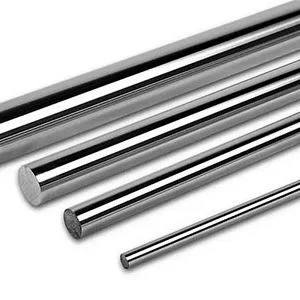
In conclusion, both 304L stainless steel alloy and 316L stainless steel alloy are excellent materials, offering superior strength, weldability, and resistance to corrosion. However, the addition of molybdenum in 316L gives it a distinct advantage in environments exposed to chlorides, seawater, or harsh chemicals. When choosing between the two, it’s important to consider the specific requirements of your application, including the environment, exposure to chemicals, and budget.
For general use, 304L stainless steel alloy is a reliable and cost-effective choice. However, if your application demands superior corrosion resistance and you are dealing with harsher conditions, 316L stainless steel alloy is the better option.
FAQ: Frequently Asked Questions
Can I use 304L stainless steel alloy in marine environments?
- While 304L can handle mild exposure to saltwater, 316L is specifically designed for marine and salty environments and is the better choice for these applications.
What makes 316L stainless steel alloy more expensive than 304L?
- The addition of molybdenum in 316L increases its cost, but this makes it much more resistant to corrosion, especially in environments with high levels of chlorides.
Is 304L stainless steel alloy suitable for food contact?
- Yes, 304L is commonly used in the food industry because of its non-reactive properties and resistance to corrosion.
Which alloy is better for chemical processing: 304L or 316L?
- For most chemical processing applications, 304L is suitable. However, if your process involves exposure to harsh chemicals like acids, 316L would be the better choice due to its superior corrosion resistance.
Can I weld 304L and 316L stainless steel alloys?
- Both 304L and 316L are highly weldable, but 316L is often preferred for welding due to its low carbon content, which minimizes carbide precipitation during the welding process.