Bem-vindo ao Meu Blog!
Antes de mergulharmos no conteúdo, EU adoraria que você se juntasse a mim em minhas plataformas de mídia social, onde compartilho mais insights, me envolva com a comunidade e publique atualizações. Veja como você pode se conectar comigo:
Facebook:https://www.facebook.com/profile.php?id=100087990137347
LinkedIn:https://www.linkedin.com/company/89825762/admin/dashboard/
YouTube:www.youtube.com/@carbonsteelsupply-kj9lw
TikTok:www.tiktok.com/@carbonsteelsupply
Agora, vamos começar nossa jornada juntos Espero que você ache o conteúdo aqui perspicaz, envolvente e valioso.
Introdução
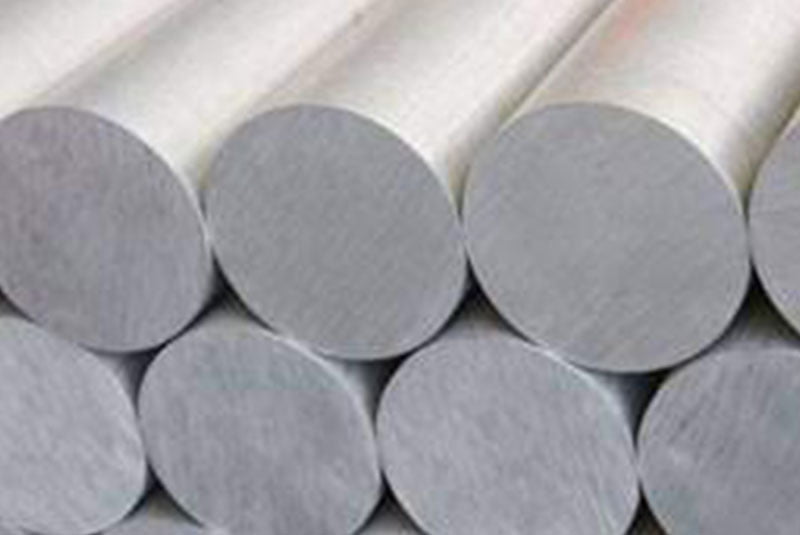
8740 alloy steel is a versatile and robust material that plays a crucial role in various industrial applications. Known for its exceptional mechanical properties, including high tensile strength and good toughness, this alloy steel is primarily composed of chromium, molybdenum, and nickel. These elements work together to enhance the steel’s performance under demanding conditions. In this article, we will explore the diverse applications of 8740 alloy steel, its properties, benefits, and the manufacturing processes involved. Additionally, we will address frequently asked questions to provide a comprehensive understanding of this material.
Propriedades de 8740 Alloy Steel
Before we dive into the applications of 8740 steel, it’s essential to understand its unique properties, which contribute to its widespread use in industrial manufacturing.
Propriedades mecânicas
| Property | Value |
|---|---|
| Yield Strength | 930 MPa |
| Ultimate Tensile Strength | 1060 MPa |
| Elongation | 15% |
| Hardness (Rockwell) | 28-32 HRC |
8740 alloy steel boasts impressive mechanical properties, enabling it to withstand high stress and strain. Its yield strength and ultimate tensile strength make it particularly suitable for applications requiring significant load-bearing capacity.
Composição química
The chemical composition of 8740 alloy steel is crucial to its mechanical properties:
| Element | Percentage (%) |
|---|---|
| Carbon | 0.38 – 0.43 |
| Manganese | 0.60 – 0.90 |
| Chromium | 0.70 – 0.90 |
| Molybdenum | 0.15 – 0.25 |
| Nickel | 1.25 – 1.75 |
This specific composition allows 8740 alloy steel to achieve high toughness and fatigue resistance, making it a reliable choice for various industrial applications.
Thermal and Corrosion Resistance
Another significant property of alloy steel 8740 is its thermal resistance. This allows it to perform well in high-temperature environments. While it is not inherently corrosion-resistant, it can be treated or coated to enhance its resistance to oxidation and wear, particularly in harsh conditions.
Aplicações de 8740 Alloy Steel
Indústria automóvel
In the automotive sector, 8740 alloy steel is widely used for manufacturing gears, axles, drive shafts, and various structural components. Its high strength, ductility, and fatigue resistance make it ideal for parts that undergo significant mechanical stress. For instance, performance cars often utilize 8740 steel in their drivetrains to ensure reliability under high loads.
Aerospace Components
The aerospace industry requires materials that can withstand extreme conditions, including temperature fluctuations and high stress. 8740 steel is employed in producing landing gear, engine mounts, and other critical components. Its lightweight yet durable characteristics are essential for maintaining safety and performance in flight operations.
Oil and Gas Sector
In the oil and gas industry, 8740 alloy steel is often utilized for downhole tools and drilling equipment. Its resistance to high pressure and temperature makes it a suitable choice for harsh environments found in this sector. Components made from 8740 alloy steel can handle the mechanical stresses encountered during drilling operations.
Machinery and Equipment
8740 alloy steel is used in fabricating various machinery parts, including cranks, shafts, and hydraulic components. The material’s ability to withstand high loads without deformation is invaluable in heavy machinery applications. For example, in construction equipment, components made from 8740 steel contribute to the overall efficiency and longevity of the machinery.
Construction
In construction, 8740 alloy steel is used for reinforcing bars, structural beams, and heavy-duty fasteners. Its strength and durability contribute to the stability and safety of structures. With the growing trend of high-rise buildings and large infrastructure projects, the demand for reliable materials like 8740 steel continues to increase.
Defense and Military Applications
The defense industry relies on 8740 alloy steel for producing components that require both strength and toughness. Applications include armor plates, weapon systems, and various military vehicles. The ability of 8740 steel to maintain its integrity under extreme conditions is critical for ensuring operational effectiveness in defense applications.
Tool Manufacturing
8740 alloy steel is often used in tool manufacturing, particularly for making dies and molds. Its ability to maintain hardness and toughness at elevated temperatures makes it suitable for high-performance tooling applications. The precision and durability of tools made from 8740 steel enhance manufacturing processes across various industries.
Manufacturing Processes Involving 8740 Alloy Steel
Understanding the manufacturing processes for 8740 alloy steel is crucial for optimizing its applications. Here are some common processes:
Tratamento Térmico
Heat treatment is vital in enhancing the properties of 8740 steel. The process typically involves several steps:
- Quenching: Rapid cooling of the steel to increase hardness.
- Tempering: Heating to a specific temperature to relieve stresses and improve toughness.
This combination allows manufacturers to tailor the material properties to meet specific application requirements.
Machining
Machining of 8740 alloy steel requires specialized tools and techniques due to its hardness. Common machining methods include turning, milling, and grinding. Proper lubrication and cooling methods must be employed to prevent tool wear and maintain precision. For example, high-speed steel tools or carbide inserts are often used to machine 8740 alloy steel efficiently.
Welding
Welding 8740 alloy steel can be challenging due to its high carbon content. To ensure a strong weld, pre-heating and post-weld heat treatment are recommended. This process helps to reduce the risk of cracking and ensures the integrity of the welded joint.
Surface Treatments
Various surface treatments can enhance the performance of 8740 alloy steel. These treatments include nitriding, carburizing, and shot peening. Such processes improve wear resistance and fatigue life, making the material even more suitable for demanding applications.
Conclusão

8740 alloy steel is a critical material in various industrial applications due to its exceptional mechanical properties and versatility. From the automotive sector to aerospace and oil and gas industries, its strength and durability make it a preferred choice for engineers and manufacturers. By understanding its properties and applications, industries can leverage the advantages of 8740 steel to improve product performance and reliability.
FAQ
What is 8740 alloy steel used for?
8740 alloy steel is commonly used in automotive, aerospace, oil and gas, machinery, construction, defense, and tool manufacturing applications.
How does heat treatment affect 8740 alloy steel?
Heat treatment improves the hardness, strength, and toughness of 8740 steel, making it more suitable for demanding applications.
Is 8740 alloy steel corrosion-resistant?
While 8740 steel has some resistance to corrosion, it is generally recommended to apply protective coatings or treatments in corrosive environments.
Can 8740 alloy steel be welded?
Yes, but welding requires specific techniques and pre/post-heat treatments to prevent cracking.
What are the advantages of using 8740 alloy steel?
The primary advantages include high strength, toughness, and versatility across various industrial applications.
How does 8740 alloy steel compare to other alloy steels?
8740 steel offers a unique balance of strength and toughness, making it suitable for applications requiring both properties, unlike some other alloys that may excel in one but not the other.
What are the future trends for 8740 alloy steel in manufacturing?
With advancements in manufacturing techniques and increased demand for high-performance materials, 8740 steel is expected to see continued use in innovative applications, particularly in industries like aerospace and renewable energy.
By focusing on the unique properties and diverse applications of 8740 steel, manufacturers can better utilize this remarkable material in their projects, ensuring both performance and reliability. As industries evolve, the demand for strong and durable materials like 8740 steel will undoubtedly grow, leading to further innovations and applications.