Bem-vindo ao Meu Blog!
Antes de mergulharmos no conteúdo, EU adoraria que você se juntasse a mim em minhas plataformas de mídia social, onde compartilho mais insights, me envolva com a comunidade e publique atualizações. Veja como você pode se conectar comigo:
Facebook:https://www.facebook.com/profile.php?id=100087990137347
LinkedIn:https://www.linkedin.com/company/89825762/admin/dashboard/
YouTube:www.youtube.com/@carbonsteelsupply-kj9lw
TikTok:www.tiktok.com/@carbonsteelsupply
Agora, vamos começar nossa jornada juntos Espero que você ache o conteúdo aqui perspicaz, envolvente e valioso.
Índice
Introdução
In today’s globalized manufacturing landscape, sourcing high-quality components efficiently and cost-effectively is crucial for project success. China has emerged as a major player in the stainless steel casting industry, offering a wide range of capabilities and competitive pricing. This comprehensive guide delves into the intricacies of China stainless steel casting, exploring its processes, advantages, applications, and considerations for successful sourcing. Whether you’re in the automotive, aerospace, construction, or any other industry requiring durable and corrosion-resistant parts, understanding the potential of China stainless steel casting can significantly benefit your project.
Why Choose China for Stainless Steel Casting?
Several factors contribute to China’s prominence in stainless steel casting:
- Cost-Effectiveness: Lower labor costs and economies of scale enable Chinese foundries to offer competitive pricing without compromising quality.
- Advanced Technology: Many Chinese foundries have invested in modern equipment and technologies, including advanced melting furnaces, precision casting techniques, and sophisticated testing facilities.
- Wide Range of Capabilities: Chinese foundries can handle various casting processes, including investment casting (lost-wax casting), sand casting, die casting, and centrifugal casting, catering to diverse project requirements.
- Large Production Capacity: China boasts a vast network of foundries, providing ample production capacity to meet large-scale demands and tight deadlines.
- Complete Supply Chain: A well-established supply chain, encompassing raw material suppliers, machining workshops, and surface treatment facilities, ensures efficient production and timely delivery.
Understanding the Stainless Steel Casting Process in China
Stainless steel casting involves several key steps:
- Pattern Making: A pattern, typically made of wax, wood, or metal, is created to replicate the desired part.
- Mold Creation: The pattern is used to create a mold, which can be made of sand, ceramic, or other materials, depending on the casting process.
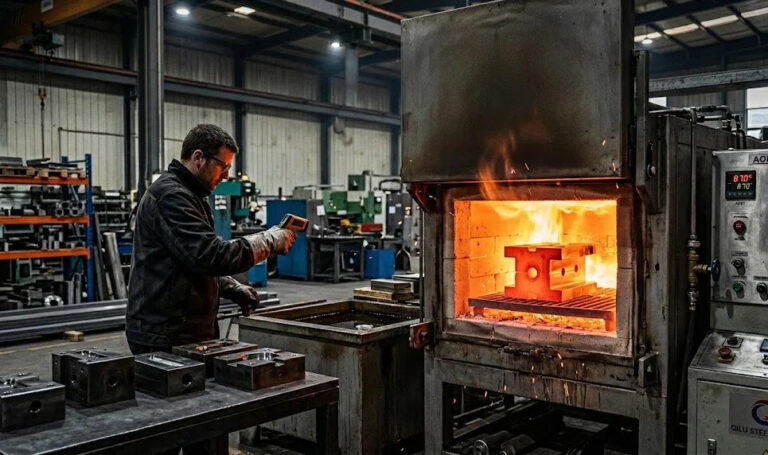
- Melting and Pouring: Stainless steel is melted in a furnace and poured into the mold cavity.
- Cooling and Solidification: The molten metal is allowed to cool and solidify within the mold.
- Removal and Cleaning: The casting is removed from the mold and cleaned to remove any residual mold material.
- Finishing and Inspection: The casting may undergo further processing, such as machining, heat treatment, or surface finishing, and is inspected for quality and dimensional accuracy.
Investment Casting (Lost-Wax Casting) in China
Investment casting is a precision casting process widely used in China for producing complex stainless steel parts with tight tolerances and excellent surface finish. This process involves creating a wax pattern, coating it with a ceramic slurry to form a mold, melting out the wax, and pouring molten stainless steel into the mold cavity.
Sand Casting of Stainless Steel in China
Sand casting is a more traditional and cost-effective method for producing larger stainless steel parts. It involves creating a mold from sand, compacting it around a pattern, removing the pattern, and pouring molten stainless steel into the mold cavity.
Other Stainless Steel Casting Methods in China
Besides investment casting and sand casting, Chinese foundries also utilize other methods, including die casting for high-volume production of smaller parts and centrifugal casting for producing cylindrical shapes.
Types of Stainless Steel Used in Chinese Foundries
Chinese foundries work with a wide range of stainless steel grades, each with specific properties and applications:
- Austenitic Stainless Steel: This is the most common type, known for its excellent corrosion resistance, weldability, and formability. Common grades include 304, 316, and 316L.
- Ferritic Stainless Steel: This type offers good corrosion resistance and ductility but lower strength than austenitic stainless steel.
- Martensitic Stainless Steel: This type can be heat-treated to achieve high hardness and strength but has lower corrosion resistance than austenitic stainless steel.
- Duplex Stainless Steel: This type combines the properties of austenitic and ferritic stainless steel, offering high strength, good corrosion resistance, and good weldability.
Applications of China Stainless Steel Casting
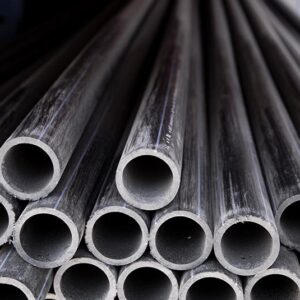

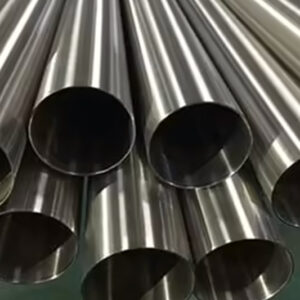
China stainless steel castings find wide applications in various industries:
- Automotive: Engine components, exhaust systems, structural parts
- Aerospace: Structural components, engine parts, landing gear components
- Construction: Architectural hardware, structural supports, fasteners
- Food Processing: Equipment components, tanks, valves
- Medical: Surgical instruments, implants, medical devices
- Oil and Gas: Valves, pumps, fittings
Advantages of Sourcing Stainless Steel Castings from China
Sourcing stainless steel castings from China offers several key advantages:
- Cost Savings: Lower manufacturing costs translate to significant cost savings for buyers.
- High Quality: Many Chinese foundries adhere to international quality standards, ensuring high-quality castings.
- Flexibility: Chinese foundries can accommodate both small and large production runs, offering flexibility for different project needs.
- Customization: Chinese foundries can produce custom castings based on specific design requirements.
Considerations for Sourcing China Stainless Steel Casting
While sourcing from China offers numerous benefits, it’s essential to consider the following:
- Quality Control: Implementing robust quality control measures is crucial to ensure the castings meet your specifications.
- Communication: Clear communication with the foundry is essential to avoid misunderstandings and ensure smooth collaboration.
- Logistics: Managing logistics, including shipping and customs clearance, requires careful planning.
- Intellectual Property Protection: Taking measures to protect your intellectual property is important when working with overseas suppliers.
Choosing the Right China Stainless Steel Casting Foundry
Selecting a reliable and reputable foundry is paramount for successful sourcing. Consider the following factors:
- Experience and Expertise: Look for a foundry with experience in producing the specific type of casting you require.
- Quality Certifications: Check if the foundry has relevant quality certifications, such as ISO 9001.
- Production Capabilities: Ensure the foundry has the necessary equipment and capacity to meet your production needs.
- Communication and Customer Service: Choose a foundry with good communication skills and responsive customer service.
Quality Control in China Stainless Steel Casting
Maintaining quality control throughout the production process is crucial. This includes:
- Material Inspection: Verifying the quality of raw materials.
- Process Control: Monitoring the casting process to ensure consistency and accuracy.
- Dimensional Inspection: Checking the dimensions of the castings to ensure they meet specifications.
- Non-Destructive Testing (NDT): Utilizing NDT methods, such as X-ray inspection and ultrasonic testing, to detect internal defects.
A Comparison of Common Stainless Steel Casting Applications and Their Typical Alloy Choices
| Aplicação | Typical Alloy Choices | Key Properties |
|---|---|---|
| Marine Components | 316, 316L (Due to high chloride resistance), Duplex Stainless Steels (For higher strength applications) | Excellent corrosion resistance in saltwater environments, high strength (for duplex grades). |
| Food Processing Equipment | 304, 316, 316L (Easy to clean and sanitize, resistant to corrosion from food acids and cleaning agents) | Corrosion resistance, hygienic properties, ease of cleaning. |
| Medical Implants | 316L (Biocompatible, low nickel content to minimize allergic reactions), specialized titanium alloys (for specific applications) | Biocompatibility, corrosion resistance, strength. |
| Chemical Processing | 316, 316L, Duplex Stainless Steels, specialized nickel alloys (Depending on the specific chemicals involved) | Resistance to a wide range of corrosive chemicals, high strength (for duplex grades). |
| Automotive Exhausts | 409, 430 (Good resistance to high temperatures and exhaust gases) | Heat resistance, corrosion resistance to exhaust gases. |
| Valves and Pumps | 304, 316, Duplex Stainless Steels (Depending on the fluid being handled and the pressure/temperature requirements) | Corrosion resistance, strength, wear resistance. |
| Architectural Hardware | 304, 316 (Aesthetic appeal, corrosion resistance for outdoor applications) | Corrosion resistance, aesthetic appeal. |
Cost Considerations for China Stainless Steel Casting
While China offers cost advantages, it’s essential to consider all cost factors:
- Unit Price: The price per casting is influenced by factors such as material grade, casting process, complexity of the design, and production volume.
- Tooling Costs: Tooling costs, including pattern making and mold creation, can vary depending on the complexity of the part.
- Shipping Costs: Shipping costs depend on the shipping method, distance, and weight of the shipment.
- Import Duties and Taxes: Import duties and taxes vary depending on the country of import and the type of product.
- Quality Control Costs: Implementing robust quality control measures may involve additional costs for inspections and testing.
Conclusão
China stainless steel casting offers a compelling solution for businesses seeking high-quality, cost-effective components. By understanding the processes, advantages, considerations, and best practices outlined in this guide, you can successfully leverage the capabilities of the Chinese casting industry to benefit your projects. Careful planning, clear communication, robust quality control, and a focus on building strong relationships with your suppliers are key to achieving successful outcomes. As the industry continues to evolve with advancements in technology and a growing focus on sustainability, China will remain a significant player in the global stainless steel casting market. This comprehensive guide has provided a detailed overview of China stainless steel casting, aiming to equip you with the knowledge needed to make informed decisions and achieve success in your sourcing endeavors.
FAQ
Q: What is the typical lead time for China stainless steel castings?
A: Lead times vary depending on the complexity of the part, production volume, and the foundry’s workload. Typically, it can range from several weeks to a few months.
Q: How can I ensure the quality of castings from China?
A: Implementing robust quality control measures, including material inspection, process control, dimensional inspection, and NDT, is crucial. Working with reputable foundries with relevant quality certifications is also important.
Q: How can I find reliable stainless steel casting foundries in China?
A: You can find foundries through online directories, trade shows, industry associations, and referrals.