Antes de mergulharmos no conteúdo, EU adoraria que você se juntasse a mim em minhas plataformas de mídia social, onde compartilho mais insights, me envolva com a comunidade e publique atualizações. Veja como você pode se conectar comigo:
Facebook:https://www.facebook.com/profile.php?id=100087990137347
LinkedIn:https://www.linkedin.com/company/89825762/admin/dashboard/
YouTube:www.youtube.com/@carbonsteelsupply-kj9lw
TikTok:www.tiktok.com/@carbonsteelsupply
Agora, vamos começar nossa jornada juntos Espero que você ache o conteúdo aqui perspicaz, envolvente e valioso.
Introdução
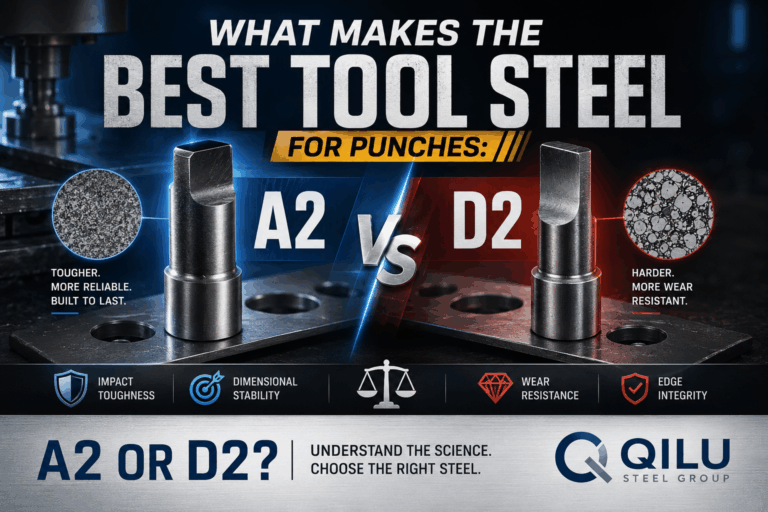
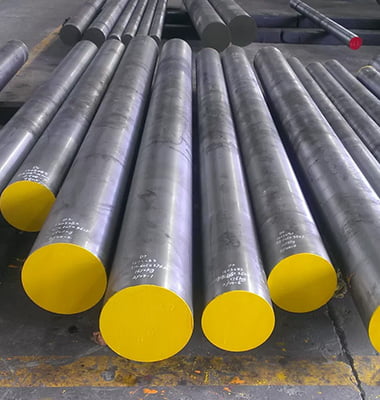
1.2842 steel, also known as D2 tool steel, is widely recognized for its excellent hardness, wear resistance, and ability to retain a sharp edge. These properties make it a preferred choice in various manufacturing applications. This blog delves into the diverse uses of 1.2842 steel, examining its advantages, characteristics, and the sectors where it shines.

Characteristics of 1.2842 Steel
1.2842 steel is characterized by its high carbon content, which contributes to its hardness and wear resistance. It also contains chromium, enhancing its toughness and corrosion resistance. Below is a table summarizing its key properties:
| Property | Value |
|---|---|
| Hardness (HRC) | 58-64 |
| Carbon Content (%) | 1.40-1.60 |
| Chromium Content (%) | 11.00-13.00 |
| Density (g/cm³) | 7.85 |
| Toughness | Moderado |
Tool Manufacturing
One of the primary applications of 1.2842 steel is in tool manufacturing. Due to its hardness, it is ideal for making cutting tools, dies, and molds. The ability to withstand wear and maintain a sharp edge makes 1.2842 steel a top choice for drill bits, lathe tools, and punches.
Indústria automóvel
In the automotive sector, 1.2842 steel is employed in various components that require durability and precision. Its resistance to abrasion is critical in the manufacturing of gears, bearings, and other high-stress components. This steel ensures that parts can endure the rigors of operation without significant wear.
Aerospace Applications
The aerospace industry demands materials that are both lightweight and strong. 1.2842 steel meets these criteria, making it suitable for specific components in aircraft. Its excellent hardness and resistance to deformation under high temperatures make it a reliable option for parts subjected to extreme conditions.
Medical Instruments
1.2842 steel is also utilized in the production of surgical instruments and medical devices. The material’s ability to be sterilized and its wear resistance make it an ideal choice for scalpel blades, forceps, and other tools that require precision and durability. Its non-reactive nature ensures safety in medical applications.
Food Processing Equipment
In the food industry, 1.2842 tool steel is valued for its hygienic properties and resistance to corrosion. It is commonly used in the manufacture of knives, slicers, and other equipment that come into contact with food. The steel’s ability to maintain sharpness contributes to efficiency and safety in food preparation.
Conclusão
In conclusion, 1.2842 tool steel is an exceptional material with a wide range of applications in manufacturing. Its properties of hardness, wear resistance, and corrosion resistance make it suitable for various industries, including tool manufacturing, automotive, aerospace, medical, and food processing. As the demand for high-performance materials grows, 1.2842 tool steel will continue to play a vital role in advancing manufacturing technologies.
FAQ
Q1: What are the main advantages of 1.2842 tool steel?
A1: The main advantages include high hardness, excellent wear resistance, and the ability to maintain a sharp edge.
Q2: Can 1.2842 tool steel be heat-treated?
A2: Yes, it can be heat-treated to enhance its properties further.
Q3: Is 1.2842 tool steel suitable for outdoor applications?
A3: While it has some corrosion resistance, it is best suited for indoor applications unless properly treated.
Q4: How does 1.2842 tool steel compare to other tool steels?
A4: It offers superior hardness and wear resistance compared to many other tool steels, making it ideal for demanding applications.
Q5: What industries primarily use 1.2842 tool steel?
A5: It is widely used in automotive, aerospace, medical, and food processing industries.
Q6: Are there any drawbacks to using 1.2842 tool steel?
A6: Its brittleness can be a concern, especially in applications that involve shock or impact.
Q7: How can I maintain tools made from 1.2842 tool steel?
A7: Regular sharpening, proper cleaning, and avoiding exposure to corrosive environments will extend their lifespan.