Bem-vindo ao Meu Blog!
Antes de mergulharmos no conteúdo, EU adoraria que você se juntasse a mim em minhas plataformas de mídia social, onde compartilho mais insights, me envolva com a comunidade e publique atualizações. Veja como você pode se conectar comigo:
Facebook:https://www.facebook.com/profile.php?id=100087990137347
LinkedIn:https://www.linkedin.com/company/89825762/admin/dashboard/
YouTube:www.youtube.com/@carbonsteelsupply-kj9lw
TikTok:www.tiktok.com/@carbonsteelsupply
Agora, vamos começar nossa jornada juntos Espero que você ache o conteúdo aqui perspicaz, envolvente e valioso.
Índice
Introdução
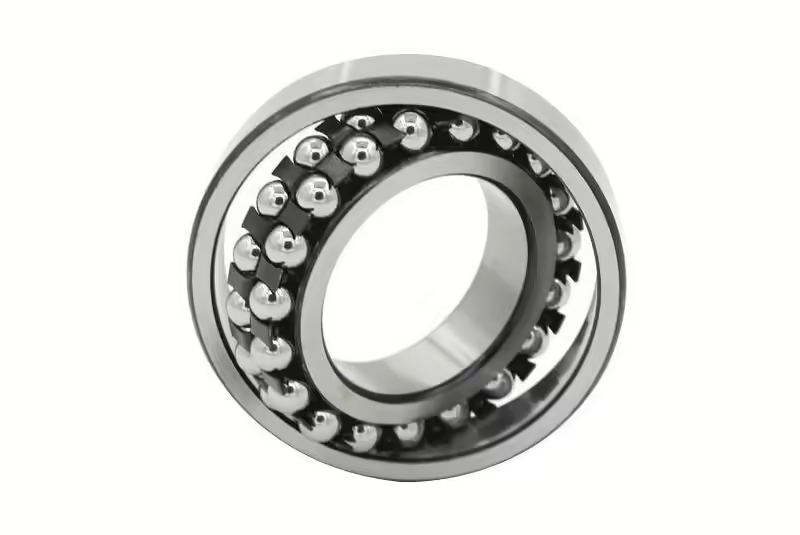
Bearings are critical components in countless applications, from automobiles and aircraft to industrial machinery and household appliances. They facilitate smooth movement and reduce friction between moving parts. The performance and longevity of a bearing depend on several factors, one of the most crucial being the bearing steel hardness. This comprehensive guide delves into the intricacies of bearing steel hardness, exploring its significance, the factors influencing it, and how to choose the right hardness for your specific needs. Understanding these factors is crucial for optimizing bearing performance and preventing premature failure.
What is Bearing Steel Hardness?
Bearing steel hardness refers to the resistance of the bearing steel to permanent deformation, indentation, or wear. It is a critical property that directly impacts the bearing’s load-carrying capacity, fatigue life, and overall performance. A higher bearing steel hardness generally indicates better resistance to wear and deformation, but it can also affect other properties like toughness and ductility. Therefore, selecting the appropriate hardness involves balancing these competing factors. Different hardness testing methods are used to quantify this crucial characteristic.
Why is Bearing Steel Hardness Important?
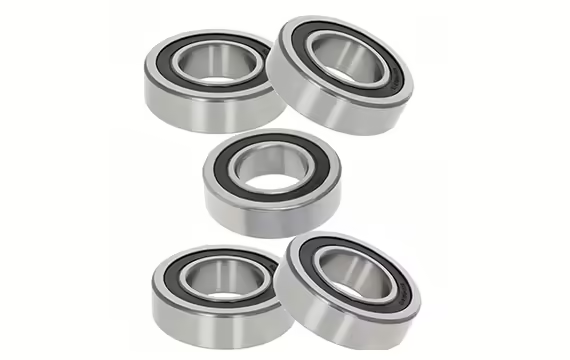
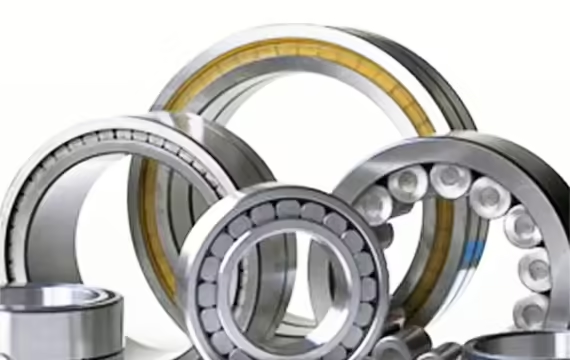
The bearing steel hardness plays a vital role in ensuring the reliable operation and longevity of bearings. Here’s why it’s so important:
- Load-carrying capacity: A higher hardness of bearing steel allows the bearing to withstand higher loads without permanent deformation. This prevents premature failure and ensures the bearing can handle the intended stresses.
- Wear resistance: Harder bearing steel is more resistant to wear, extending the bearing’s service life. This reduces the need for frequent replacements and minimizes downtime.
- Fatigue life: Proper hardness of bearing steel is crucial for resisting fatigue failure, which is a common cause of bearing failure. Fatigue occurs due to repeated stress cycles, and proper hardness helps the bearing withstand these stresses.
- Performance: The right hardness of bearing steel ensures optimal performance, minimizing friction and maximizing efficiency. This translates to smoother operation and reduced energy consumption.
Factors Affecting Hardness of Bearing Steel
Several factors influence the hardness of bearing steel, including:
- Steel composition: The type and amount of alloying elements in the steel significantly affect its hardness. Different alloys provide varying levels of hardness and other desirable properties.
- Heat treatment: The heat treatment process, including hardening and tempering, is crucial for achieving the desired hardness of bearing steel. These processes alter the microstructure of the steel to enhance its hardness.
- Manufacturing process: The manufacturing process, such as forging or rolling, can also influence the final hardness of the bearing steel. These processes can affect the grain structure and overall properties of the material. Even seemingly minor variations in the process can have a noticeable impact.
How to Measure Bearing Steel Hardness


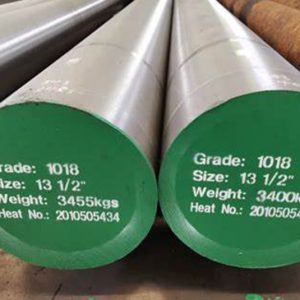
Bearing steel hardness is typically measured using indentation tests, such as:
- Rockwell hardness test: This is a widely used method that measures the depth of indentation under a specific load. It provides a direct reading of the hardness value.
- Vickers hardness test: This method uses a diamond indenter to measure the indentation size. It is particularly useful for thin or very hard materials.
- Brinell hardness test: This test uses a hardened steel ball to measure the indentation diameter. It is commonly used for larger components and materials with a more uniform structure. Each method has its own advantages and limitations.
Choosing the Right Hardness of Bearing Steel
Selecting the appropriate bearing steel hardness is crucial for ensuring optimal performance and longevity. Consider the following factors when making your decision:
- Application requirements: The specific application and operating conditions, such as load, speed, and temperature, will dictate the required hardness of bearing steel. Demanding applications often require higher hardness levels.
- Material properties: Consider other material properties, such as toughness, ductility, and corrosion resistance, in addition to hardness. A balance between these properties is often necessary.
- Cost considerations: Higher hardness of bearing steel may come at a higher cost, so balance performance requirements with budget constraints. Sometimes, a slightly lower hardness may be acceptable if it significantly reduces costs.
Bearing Steel Hardness Chart
| Bearing Type | Typical Hardness Range (HRC) | Application Examples |
|---|---|---|
| Deep Groove Ball Bearings | 58-62 | Electric motors, pumps, household appliances |
| Angular Contact Ball Bearings | 60-64 | High-speed applications, machine tools |
| Thrust Ball Bearings | 55-60 | Low-speed, high-load applications |
| Cylindrical Roller Bearings | 58-62 | Heavy machinery, gearboxes |
| Tapered Roller Bearings | 56-60 | Automotive wheel bearings, heavy-duty equipment |
| Spherical Roller Bearings | 58-62 | Mining equipment, construction machinery |
Heat Treatment for Bearing Steel Hardness
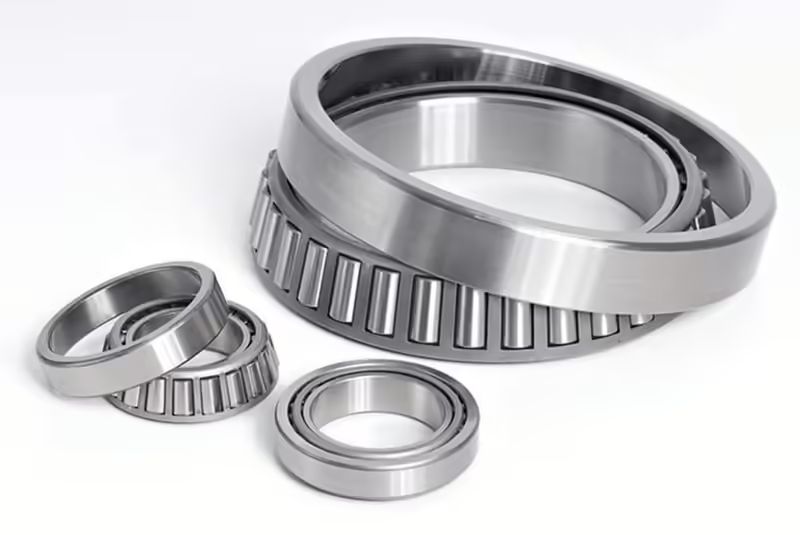
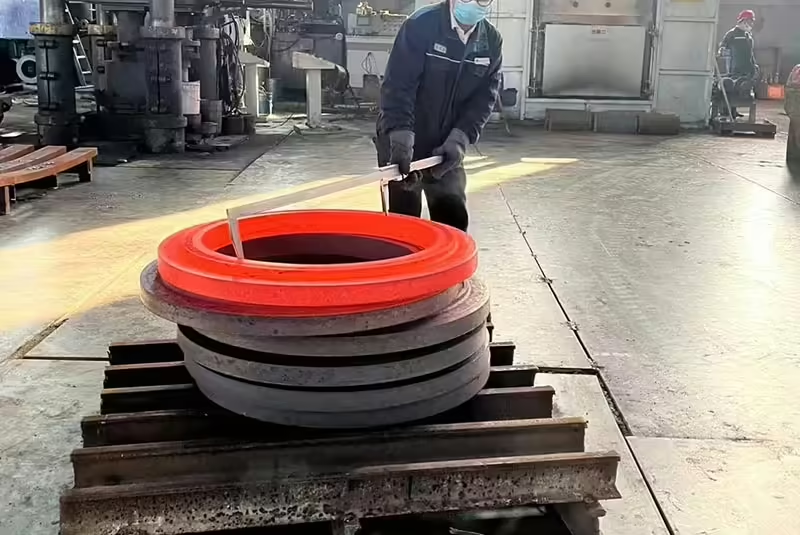
Heat treatment is a critical process for achieving the desired bearing steel hardness. The common heat treatment methods include:
- Hardening: This process involves heating the steel to a high temperature and then rapidly cooling it to increase its hardness. The rapid cooling, or quenching, transforms the steel’s microstructure.
- Tempering: This process involves heating the hardened steel to a lower temperature to reduce its brittleness while maintaining its hardness. Tempering improves the steel’s toughness and ductility. These processes are carefully controlled to achieve the desired balance of properties.
Conclusão
Bearing steel hardness is a critical factor in determining the performance and longevity of bearings. Understanding the factors influencing bearing steel hardness and how to choose the right hardness for your specific needs is essential for ensuring reliable operation and maximizing the service life of your bearings. Proper selection and maintenance of bearings are essential for the efficient and safe operation of many types of machinery.
FAQ
Q: What is the unit of bearing steel hardness?
A: Bearing steel hardness is typically measured in Rockwell C scale (HRC). This scale is widely used for hardened steels.
Q: How do I choose the right bearing steel hardness for my application?
A: Consider the application requirements, material properties, and cost considerations when choosing the right bearing steel hardness. Consult with a bearing specialist for specific recommendations. They can help you analyze your specific needs and select the optimal bearing.
Q: Can bearing steel hardness be increased after manufacturing?
A: Yes, heat treatment processes like hardening and tempering can be used to increase hardness of bearing steel after manufacturing. However, this may not always be feasible depending on the specific bearing and application.
Q: What happens if the bearing steel hardness is too low?
A: If the bearing steel hardness is too low, the bearing may experience premature wear, deformation, and failure. This can lead to costly downtime and repairs.
Q: What happens if the bearing steel hardness is too high?
A: If the bearing steel hardness is too high, the bearing may become brittle and prone to cracking or fatigue failure. This can also lead to premature failure and potentially dangerous situations.