Bem-vindo ao Meu Blog!
Antes de mergulharmos no conteúdo, EU adoraria que você se juntasse a mim em minhas plataformas de mídia social, onde compartilho mais insights, me envolva com a comunidade e publique atualizações. Veja como você pode se conectar comigo:
Facebook:https://www.facebook.com/profile.php?id=100087990137347
LinkedIn:https://www.linkedin.com/company/89825762/admin/dashboard/
YouTube:www.youtube.com/@carbonsteelsupply-kj9lw
TikTok:www.tiktok.com/@carbonsteelsupply
Agora, vamos começar nossa jornada juntos Espero que você ache o conteúdo aqui perspicaz, envolvente e valioso.
Introdução

In the oil and gas industry, the extraction and production of hydrocarbons is a complex and intricate process. One key piece of equipment that plays a central role in managing these operations is the Christmas Tree Oil Well. Often simply referred to as a “Christmas Tree,” this essential structure controls the flow of oil and gas from the wellhead to the surface, and provides several important safety and regulatory features. This article explores the significance of Christmas Tree Oil Wells, their components, functions, and how they contribute to the efficiency and safety of oil and gas operations.
What is a Christmas Tree Oil Well?
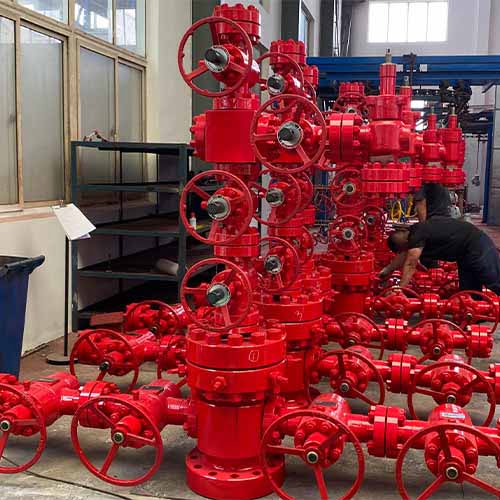
A Christmas Tree Oil Well is a collection of valves, pipes, and other apparatus located at the surface of an oil well. Its primary purpose is to manage the production of oil and gas by controlling the flow of these materials from the reservoir to the surface. The name “Christmas Tree” comes from the tree-like arrangement of the well’s components, which often resemble the shape of a Christmas tree with branches extending outward.
Christmas Tree Oil Wells are typically installed after the drilling process is completed and the well is ready for production. They are used in both onshore and offshore oil and gas fields, although their design and construction may vary depending on the specific needs of the field.
Components of a Christmas Tree Oil Well
A Christmas Tree Oil Well consists of several key components that work together to regulate the flow of hydrocarbons. Below is a breakdown of the most important elements:
Wellhead
The wellhead is the central structure of the Christmas Tree Oil Well, located at the surface of the well. It supports various components such as the casing, tubing, and valves. The wellhead is responsible for providing structural integrity and sealing the well to prevent leaks.
Valves
Valves play a crucial role in the Christmas Tree Oil Well. There are typically two types of valves:
- Master Valve (MV): This valve is the primary control valve that manages the flow of fluids in the well. It can be opened or closed to regulate the production of oil and gas.
- Wing Valve: Located on the side of the well, this valve is used for additional control and can be adjusted to allow fluids to flow into different channels.
- Choke Valve: The choke valve is used to regulate the pressure and flow rate of the oil or gas being extracted. By adjusting the size of the opening in the valve, operators can control the flow to prevent over-pressurization.
Christmas Tree Tubing
The tubing is a critical component of the Christmas Tree that allows for the controlled flow of oil or gas from the reservoir to the surface. It is typically made from durable materials like steel or alloy to withstand the high pressures and temperatures in the well.
Pressure and Temperature Sensors
Integrated pressure and temperature sensors are important for monitoring the conditions within the well. These sensors provide real-time data to operators, ensuring that the well remains within safe operating parameters and allowing for immediate corrective actions if necessary.
Control Line
The control line connects various components of the Christmas Tree Oil Well to surface control systems. This line is essential for remotely controlling the valves and monitoring the well’s performance.
How Christmas Tree Oil Wells Work
The operation of a Christmas Tree Oil Well involves managing multiple variables, including pressure, temperature, and flow rate. The Christmas Tree is installed after the well has been drilled, and once production begins, it helps regulate the flow of hydrocarbons from the reservoir to the surface.
The flow process generally works as follows:
- Production Initiation: When the well is ready for production, the Christmas Tree’s valves are opened, allowing oil and gas to flow from the reservoir.
- Flow Control: Operators adjust the choke valve to control the flow rate of oil or gas, ensuring that it is within safe operating limits. This also helps in maximizing the efficiency of extraction.
- Pressure Monitoring: Sensors monitor the pressure and temperature in the well, ensuring that the system operates safely and efficiently. The master valve can be closed in case of an emergency to prevent any overpressure or dangerous conditions.
- Flow to Surface Equipment: The hydrocarbons flow from the wellhead to other surface equipment, such as separators and storage tanks, for further processing and storage.
Importance of Christmas Tree Oil Wells in the Oil and Gas Industry
Christmas Tree Oil Wells are critical to the oil and gas industry for several reasons. They not only ensure the efficient extraction of hydrocarbons but also help maintain safety standards and environmental protection.
Efficient Production
The main role of a Christmas Tree Oil Well is to control the flow of oil and gas, allowing operators to maintain an optimal production rate. By regulating the flow, operators can prevent overproduction or underproduction, maximizing efficiency and ensuring that the reservoir is not depleted too quickly.
Safety and Containment
Christmas Tree Oil Wells are designed with built-in safety features to prevent blowouts, leaks, and other hazardous incidents. The valves, sensors, and control systems allow for quick adjustments, preventing accidents and minimizing environmental impact.
Pressure Control
Managing the pressure within a well is crucial. Christmas Tree Oil Wells allow operators to regulate the pressure at different stages of production. This pressure control ensures the safety of the well and the surrounding environment.
Flow Rate Management
The choke valve and master valve help operators control the flow of oil and gas from the well, reducing the risk of equipment damage, controlling reservoir depletion, and maintaining the balance of pressure within the system.
Adaptability for Different Environments
Whether in onshore or offshore environments, Christmas Tree Oil Wells are adaptable to various conditions. Offshore wells, for example, may have additional features to withstand the corrosive marine environment and higher pressure.
Christmas Tree Oil Well Operation in Offshore vs. Onshore Fields
| Feature | Offshore Fields | Onshore Fields |
|---|---|---|
| Environmental Stress | Corrosive, saltwater, high pressure | Less corrosive, lower pressures |
| Equipment Design | Requires additional corrosion-resistant materials | Standard construction materials |
| Installation Process | More complex due to remote location | Easier access and setup |
| Maintenance Needs | More frequent and specialized maintenance | Less frequent, easier to manage |
| Regulatory Standards | Stricter due to environmental concerns | Less strict but still regulated |
Common Challenges with Christmas Tree Oil Wells
While Christmas Tree Oil Wells are essential for efficient oil production, they also come with certain challenges. Some of the most common issues faced by operators include:
- Corrosion: The materials used in the Christmas Tree can corrode over time, especially in offshore environments where saltwater exposure is common.
- Pressure Fluctuations: If the pressure within the well is not properly regulated, it can cause damage to the equipment or lead to inefficient extraction.
- Leaks: If the wellhead or any of the valves develop leaks, it can lead to safety hazards or environmental damage.
Conclusão

Christmas Tree Oil Wells are essential for the efficient, safe, and controlled extraction of oil and gas from underground reservoirs. With their complex design and critical functions, these wells ensure that operators can manage the flow of hydrocarbons, regulate pressure, and protect the environment. By understanding their components, operations, and importance, we gain a deeper appreciation for the role these systems play in the energy sector. As the oil and gas industry continues to evolve, Christmas Tree Oil Wells will remain a cornerstone of modern extraction techniques.
FAQ
What is the primary function of a Christmas Tree Oil Well?
The primary function of a Christmas Tree Oil Well is to control the flow of oil and gas from the reservoir to the surface, ensuring efficient production, pressure control, and safety.
Why is it called a Christmas Tree?
The Christmas Tree is named for its tree-like structure, with several branches of valves and pipes extending from the central wellhead, resembling the shape of a Christmas tree.
How does a Christmas Tree Oil Well contribute to safety?
Christmas Tree Oil Wells include various safety mechanisms, such as pressure sensors and master valves, which allow operators to regulate flow, control pressure, and prevent hazardous incidents like blowouts.
What are the key components of a Christmas Tree Oil Well?
Key components include the wellhead, valves (master, wing, and choke), tubing, pressure sensors, and control lines.
Are Christmas Tree Oil Wells used in both offshore and onshore fields?
Yes, Christmas Tree Oil Wells are used in both offshore and onshore oil and gas fields, although their design may vary depending on the specific conditions of the environment.