Bem-vindo ao Meu Blog!
Antes de mergulharmos no conteúdo, EU adoraria que você se juntasse a mim em minhas plataformas de mídia social, onde compartilho mais insights, me envolva com a comunidade e publique atualizações. Veja como você pode se conectar comigo:
Facebook:https://www.facebook.com/profile.php?id=100087990137347
LinkedIn:https://www.linkedin.com/company/89825762/admin/dashboard/
YouTube:www.youtube.com/@carbonsteelsupply-kj9lw
TikTok:www.tiktok.com/@carbonsteelsupply
Agora, vamos começar nossa jornada juntos Espero que você ache o conteúdo aqui perspicaz, envolvente e valioso.
Índice
Introdução
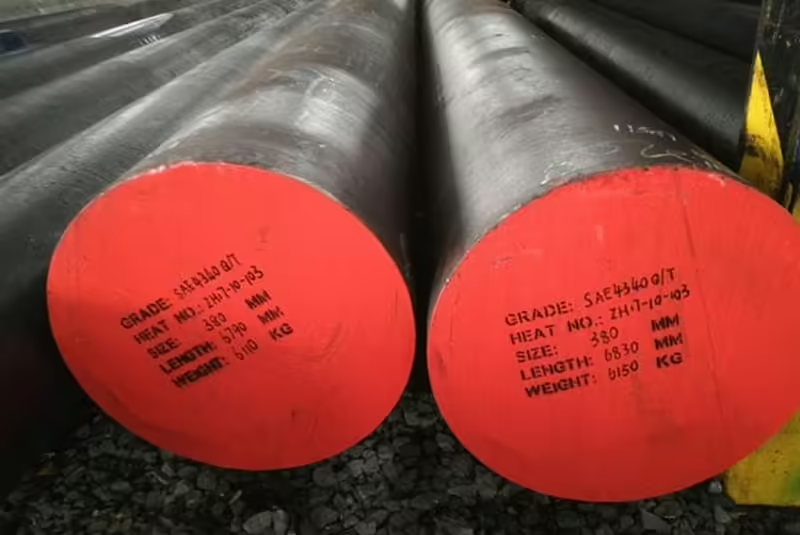
Alloy steel is a type of steel that has been combined with other elements, such as chromium, nickel, or molybdenum, to improve its properties. These additions can enhance the steel’s strength, hardness, toughness, corrosion resistance, and other characteristics, making it suitable for a wide range of applications. Understanding the nuances of different alloy steel types is crucial for engineers and designers to select the optimal material for their specific needs. This blog post will delve into the various alloy steel types, their properties, uses, and benefits, providing a comprehensive overview of this versatile material.
Understanding Alloy Steel Types and Their Properties
Alloy steels are broadly classified based on their composition and properties. Some common categories include:
Carbon Steels
While technically containing some alloying elements, carbon steels are primarily defined by their carbon content. Higher carbon content increases hardness and strength but reduces ductility and weldability. This makes them suitable for applications where hardness and strength are paramount, but where flexibility and ease of joining are less critical. They are the most basic and widely used type of steel.
Low Alloy Steels
These steels contain small amounts of alloying elements (typically less than 5% total) to improve specific properties like strength, toughness, or corrosion resistance without significantly altering the base steel’s characteristics. These additions are carefully chosen to enhance performance without drastically increasing cost. Low alloy steels find a balance between improved properties and affordability.
High Alloy Steels
These steels contain significant amounts of alloying elements (typically more than 5% total) to achieve specific properties, such as high corrosion resistance (like stainless steels) or high-temperature strength. The higher percentage of alloying elements allows for more dramatic improvements in performance characteristics. High alloy steels are often used in demanding environments.
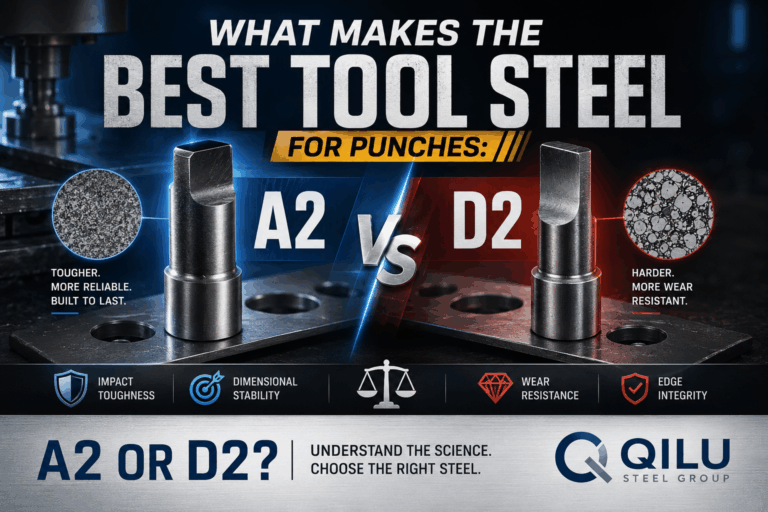
Tool Steels
Designed for tools and dies, these steels possess high hardness, wear resistance, and toughness to withstand demanding cutting and forming operations. Their ability to maintain a sharp cutting edge and resist deformation under pressure makes them essential for manufacturing processes. Tool steels are often heat-treated to further enhance their properties.
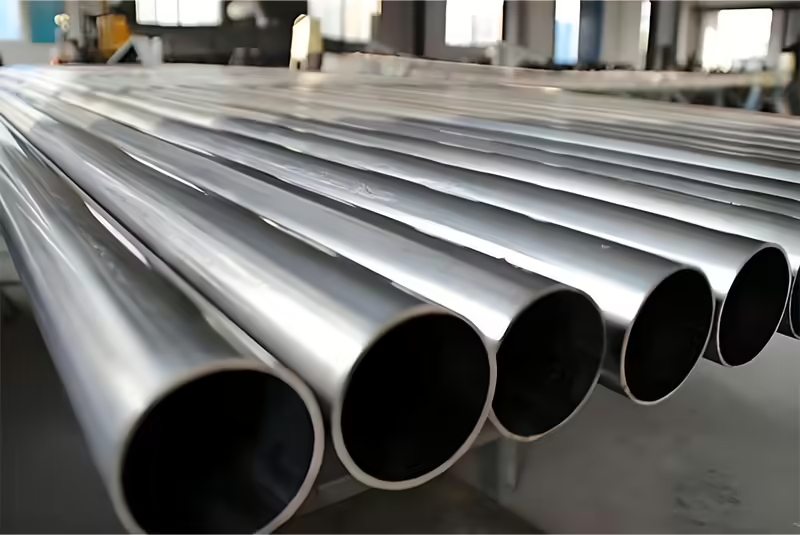
Stainless Steels
Known for their exceptional corrosion resistance, these steels contain a minimum of 10.5% chromium. They are further categorized into austenitic, ferritic, martensitic, and duplex stainless steels based on their microstructure. This categorization helps to further refine material selection based on specific application requirements. Stainless steels are prized for their aesthetic appeal as well as their functional benefits.
Exploring Common Alloy Steel Types and Their Uses
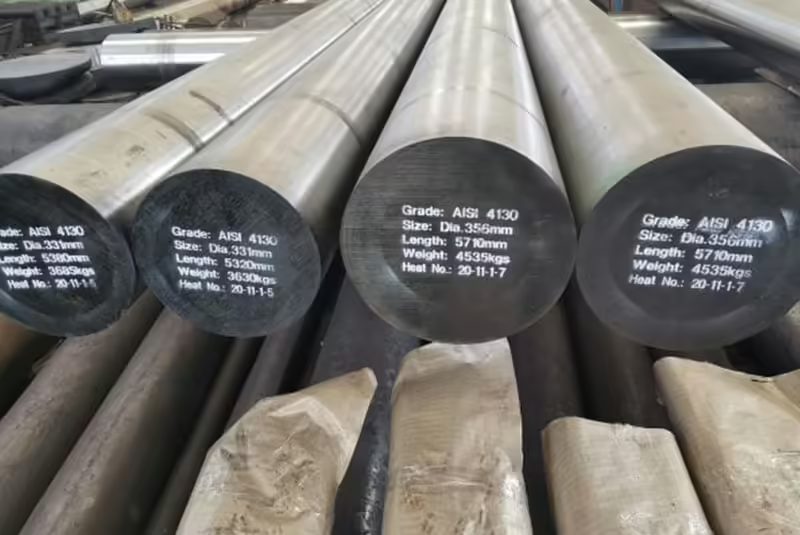
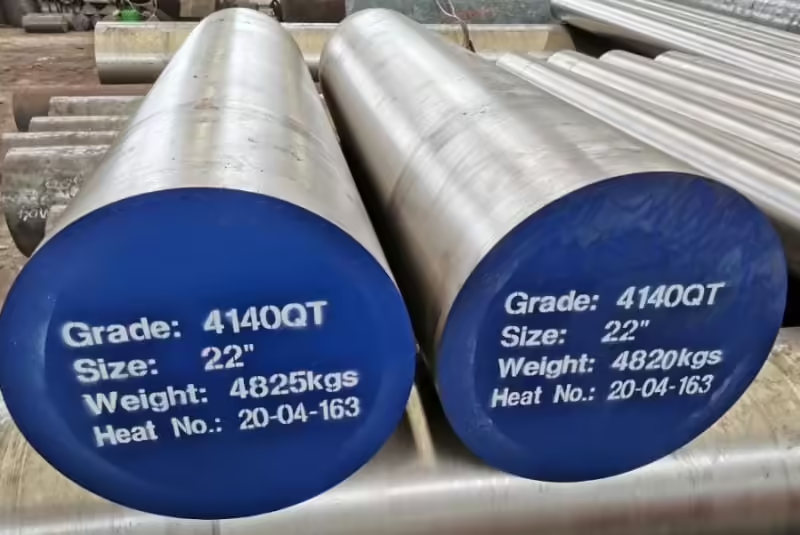
Here’s a closer look at some frequently used alloy steel types and their applications:
Liga de aço 4140
This medium-carbon, low alloy steel offers excellent strength, toughness, and fatigue resistance. It finds use in gears, shafts, fasteners, and other demanding applications. Its balanced properties make it a versatile choice for components subjected to stress and wear. 4140 is a commonly used material in the automotive and aerospace industries.
4340 Liga de Aço
With higher nickel and chromium content than 4140, 4340 boasts even greater strength and toughness. It is commonly used in aircraft landing gear, high-strength bolts, and other critical components. Its superior strength makes it suitable for applications where failure would have severe consequences. 4340 is often used in extreme service conditions.
304 Stainless Steel
An austenitic stainless steel, 304 is widely used for its excellent corrosion resistance and formability. It is found in kitchen appliances, food processing equipment, and architectural applications. Its ease of fabrication and resistance to rust make it a popular choice for consumer products. 304 stainless steel is also used in hygienic environments.
316 Stainless Steel
Similar to 304, 316 stainless steel contains molybdenum, further enhancing its corrosion resistance, especially in chloride environments. It is used in marine applications, chemical processing, and medical implants. The addition of molybdenum makes it more resistant to pitting and crevice corrosion. 316 stainless steel is often preferred in harsh chemical or saline environments.
Tool Steel (e.g., M2)
M2 is a high-speed tool steel known for its high hardness, wear resistance, and ability to retain cutting edge at high temperatures. It is used in cutting tools, drills, and taps. Its ability to withstand the heat generated by high-speed cutting makes it essential for modern manufacturing. M2 tool steel is often coated to further enhance its performance.
Advantages of Using Alloy Steel Types
Alloy steels offer several advantages over plain carbon steels:
Enhanced Mechanical Properties
Alloying elements can significantly improve strength, hardness, toughness, and fatigue resistance. This allows for the design of components that can withstand greater loads and stresses. These improvements often translate to longer service life and increased reliability.
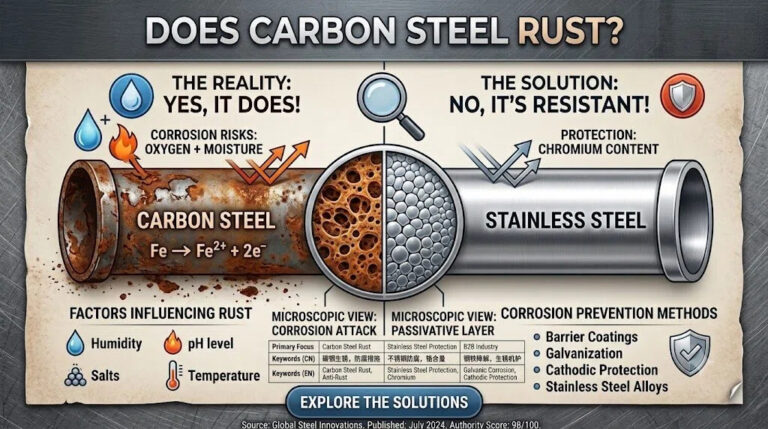
Improved Corrosion Resistance
Certain alloying elements, like chromium, enhance corrosion resistance, making the steel suitable for harsh environments. This is particularly important in applications where exposure to moisture or chemicals is unavoidable. Improved corrosion resistance reduces maintenance costs and extends product lifespan.
Increased Wear Resistance
Alloy steels can be designed to withstand wear and abrasion, extending the lifespan of components. This is crucial in applications where parts are subject to friction or impact. Increased wear resistance minimizes downtime and replacement costs.
Better High-Temperature Performance
Some alloy steels maintain their strength and properties at elevated temperatures. This is essential for applications such as engine components or furnace parts. The ability to withstand high temperatures ensures reliable operation in extreme conditions.
Tailored Properties
Alloying allows for precise tailoring of steel properties to meet specific application requirements. This enables engineers to select the ideal material for each unique situation. The ability to customize properties maximizes performance and efficiency.
Alloy Steel Types: A Quick Comparison
| Alloy Steel Type | Key Properties | Common Uses |
|---|---|---|
| 4140 | High strength, toughness, fatigue resistance | Gears, shafts, fasteners |
| 4340 | Very high strength and toughness | Aircraft landing gear, high-strength bolts |
| 304 Stainless Steel | Excellent corrosion resistance, formability | Kitchen appliances, food processing equipment |
| 316 Stainless Steel | Enhanced corrosion resistance, especially in chlorides | Marine applications, chemical processing |
| M2 Tool Steel | High hardness, wear resistance, high-temperature cutting ability | Cutting tools, drills, taps |
Selecionando o direito Alloy Steel Type
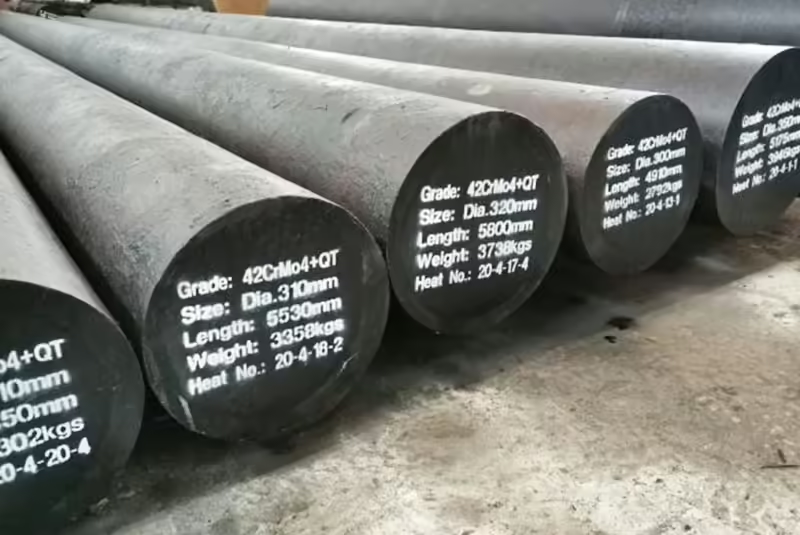
Choosing the appropriate alloy steel type depends on several factors:
Application Requirements
Consider the specific needs of the application, such as strength, corrosion resistance, operating temperature, and required lifespan. A thorough understanding of the intended use is critical for proper material selection. These requirements will dictate the necessary properties of the alloy steel.
Environmental Conditions
Assess the environment the steel will be exposed to, including temperature, humidity, and potential corrosive agents. Exposure to extreme temperatures or corrosive substances can significantly impact material performance. Proper assessment of the environment will prevent premature failure.
Cost Considerations
Balance the desired properties with the cost of the alloy steel. While higher-performance alloys may offer superior characteristics, they often come at a premium. Cost-effectiveness should be considered alongside performance requirements.
Availability and Formability
Consider the availability of the alloy steel in the required form and its ease of fabrication. Certain alloys may be more readily available than others, and some may be easier to machine or weld. These factors can influence project timelines and overall cost.
Conclusão
Alloy steels are essential materials in modern industry, offering a wide range of properties and benefits. Understanding the different alloy steel types, their characteristics, and applications is crucial for selecting the right material for a given purpose. By carefully considering the factors outlined in this blog post, engineers and designers can make informed decisions and leverage the advantages of alloy steels to create durable, high-performance products. Careful material selection leads to optimized designs and efficient use of resources.
FAQ
What is the difference between alloy steel and stainless steel?
Stainless steel is a specific type of high alloy steel containing at least 10.5% chromium, giving it exceptional corrosion resistance. All stainless steels are alloy steels, but not all alloy steels are stainless steels.
How do I identify alloy steel types?
Alloy steel types can sometimes be identified by their designations (e.g., 4140, 304). However, it’s best to consult material specifications or perform chemical analysis for accurate identification.
Can alloy steels be welded?
Many alloy steels can be welded, but the specific welding procedure and filler metal should be chosen based on the alloy steel type and application requirements.