Bem-vindo ao Meu Blog!
Antes de mergulharmos no conteúdo, EU adoraria que você se juntasse a mim em minhas plataformas de mídia social, onde compartilho mais insights, me envolva com a comunidade e publique atualizações. Veja como você pode se conectar comigo:
Facebook:https://www.facebook.com/profile.php?id=100087990137347
LinkedIn:https://www.linkedin.com/company/89825762/admin/dashboard/
YouTube:www.youtube.com/@carbonsteelsupply-kj9lw
TikTok:www.tiktok.com/@carbonsteelsupply
Agora, vamos começar nossa jornada juntos Espero que você ache o conteúdo aqui perspicaz, envolvente e valioso.
Índice
Introdução
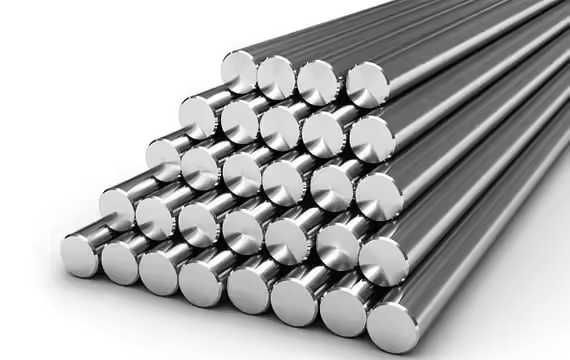
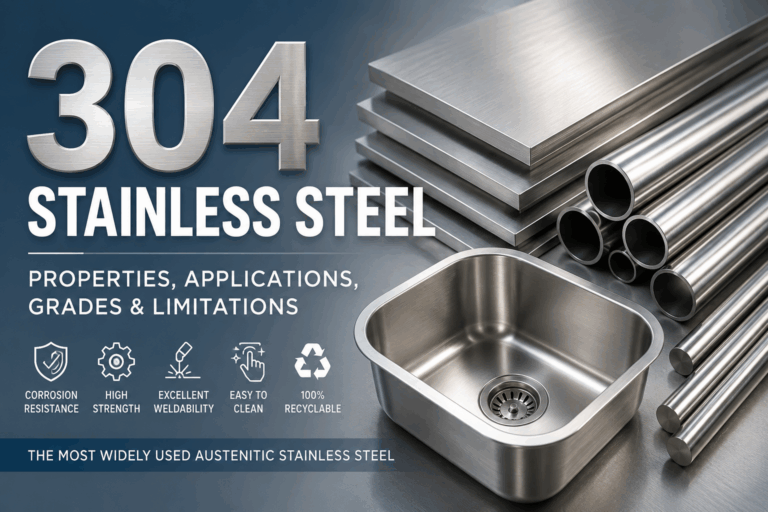
Stainless steel is one of the most widely used materials in modern industries, from construction and automotive manufacturing to kitchenware and medical instruments. Its remarkable resistance to rust and corrosion has made it a preferred choice in many applications. But why is it called stainless steel? What makes it different from ordinary steel? In this comprehensive guide, we will explore the origins of its name, the science behind its corrosion resistance, its various types, and its practical applications. By the end, you’ll have a clear understanding of why stainless steel is such a vital material in today’s world.
What Makes Stainless Steel “Stainless”?
The term “stainless steel” is derived from its ability to resist rust and stains that typically affect ordinary steel. The secret lies in its composition and the formation of a protective layer on its surface.
The Role of Chromium
Stainless steel contains at least 10.5% chromium, an essential element that reacts with oxygen to form a thin, invisible layer of chromium oxide. This passive film prevents the steel from rusting, making it highly resistant to corrosion.
The Self-Healing Property
Unlike regular steel, which can corrode quickly when exposed to moisture and air, stainless steel has a self-repairing ability. If the surface is scratched or damaged, the chromium oxide layer reforms almost instantly, protecting the material from further deterioration.
Other Alloying Elements
In addition to chromium, other elements such as nickel, molybdenum, and nitrogen are often added to enhance its strength, corrosion resistance, and overall performance.
Types of Stainless Steel and Their Properties
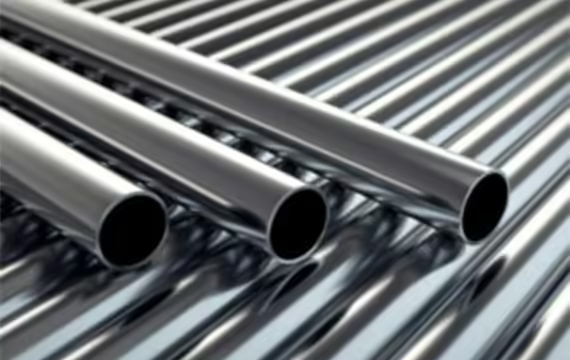
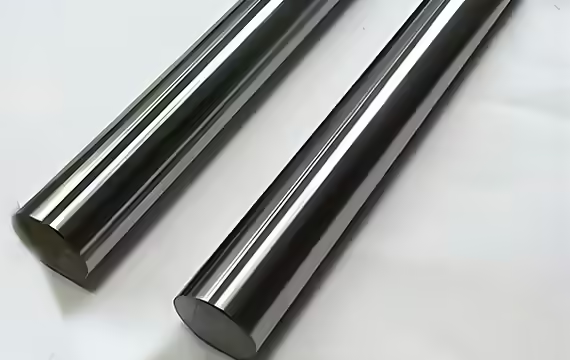
Stainless steel comes in various grades and types, each designed for specific applications. Understanding these types can help explain why the material is called stainless steel and why it performs so well in different environments.
Austenitic Stainless Steel
- The most common type, known for its excellent corrosion resistance and weldability.
- Contains high levels of chromium (16-26%) and nickel.
- Commonly used in kitchen appliances, medical instruments, and food processing equipment.
Ferritic Stainless Steel
- Contains lower amounts of nickel, making it more affordable.
- Good corrosion resistance but less durable than austenitic stainless steel.
- Often used in automotive parts and home appliances.
Martensitic Stainless Steel
- Contains more carbon, making it harder and stronger.
- Used in applications where high strength and wear resistance are required, such as knives and turbine blades.
Duplex Stainless Steel
- A mix of austenitic and ferritic structures, offering both high strength and corrosion resistance.
- Commonly used in chemical and marine industries.
Precipitation-Hardening Stainless Steel
- Contains elements like copper and aluminum to enhance strength.
- Used in aerospace and other high-performance applications.
Comparison of Different Types of Stainless Steel
| Tipo | Chromium Content (%) | Nickel Content (%) | Key Features | Aplicações Comuns |
|---|---|---|---|---|
| Austenitic | 16-26 | 6-22 | Excellent corrosion resistance, non-magnetic | Kitchen appliances, medical tools, food processing |
| Ferritic | 10.5-18 | 0-2 | Moderate corrosion resistance, magnetic | Automotive parts, home appliances |
| Martensitic | 11-17 | 0-5 | High strength, wear-resistant, magnetic | Knives, turbine blades, surgical instruments |
| Duplex | 18-26 | 4-7 | Strong, corrosion-resistant, mix of austenitic and ferritic properties | Marine, chemical, and oil industries |
| Precipitation-Hardening | 15-17 | 3-5 | High strength, heat-treatable | Aerospace, high-performance equipment |
Applications of Stainless Steel in Everyday Life
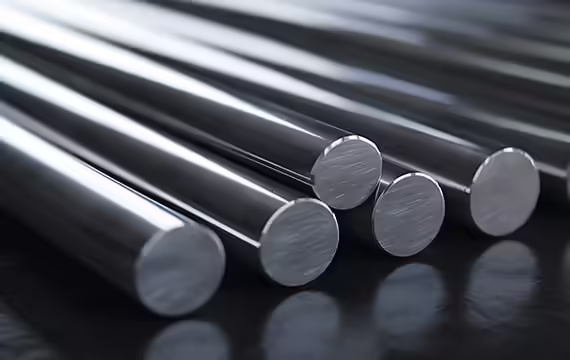
Stainless steel is used in a wide range of industries due to its durability, corrosion resistance, and ease of maintenance.
Construction and Architecture
- Used in skyscrapers, bridges, and building facades due to its strength and aesthetic appeal.
- Provides resistance to weathering and pollution.
Medical and Surgical Instruments
- Essential for scalpels, syringes, and implants due to its non-reactive nature and ability to withstand sterilization.
Food and Beverage Industry
- Used in cookware, cutlery, and food processing equipment.
- Ensures hygiene and prevents contamination.
Automotive and Aerospace
- Stainless steel components are used in car exhaust systems, aircraft structures, and engine parts.
- Offers high strength-to-weight ratio and resistance to extreme temperatures.
Marine and Chemical Industries
- Resistant to saltwater and corrosive chemicals, making it ideal for shipbuilding and chemical storage tanks.
Conclusão
The name “stainless steel” is derived from its remarkable ability to resist rust and stains, thanks to the presence of chromium and other alloying elements. Its self-healing oxide layer, combined with various types of compositions tailored for different applications, makes it one of the most versatile materials in the world. From kitchen appliances to aerospace engineering, stainless steel continues to be a fundamental material that shapes modern industries. Understanding why it is called stainless steel provides insight into its superior properties and widespread use.
FAQ
Why is it called stainless steel if it can still rust?
Stainless steel is highly resistant to rust, but under extreme conditions, such as exposure to chloride-rich environments or improper maintenance, it can develop surface discoloration. However, its chromium oxide layer provides superior corrosion protection compared to regular steel.
What makes stainless steel different from regular steel?
Unlike regular steel, which is prone to rusting when exposed to moisture and air, stainless steel contains chromium, which forms a protective oxide layer that prevents corrosion. This feature makes it durable and long-lasting.
Can stainless steel be used in outdoor environments?
Yes, stainless steel is widely used in outdoor environments, especially in construction, marine applications, and architectural projects. Specific grades, such as 316 stainless steel, offer enhanced corrosion resistance for harsher conditions.
Is stainless steel magnetic?
It depends on the type. Ferritic and martensitic stainless steels are magnetic, while austenitic stainless steel (such as 304 and 316) is non-magnetic. Some austenitic steels can become slightly magnetic after cold working.
How can I maintain stainless steel to keep it looking new?
To maintain stainless steel, clean it regularly with mild soap and water, avoid abrasive cleaners, and wipe it dry to prevent water spots. For tougher stains, a stainless steel cleaner or vinegar can be used to restore its shine.