
Bem-vindo ao Meu Blog!
Antes de mergulharmos no conteúdo, EU adoraria que você se juntasse a mim em minhas plataformas de mídia social, onde compartilho mais insights, me envolva com a comunidade e publique atualizações. Veja como você pode se conectar comigo:
Facebook:https://www.facebook.com/profile.php?id=100087990137347
LinkedIn:https://www.linkedin.com/company/89825762/admin/dashboard/
YouTube:www.youtube.com/@carbonsteelsupply-kj9lw
TikTok:www.tiktok.com/@carbonsteelsupply
Agora, vamos começar nossa jornada juntos Espero que você ache o conteúdo aqui perspicaz, envolvente e valioso.
Introdução
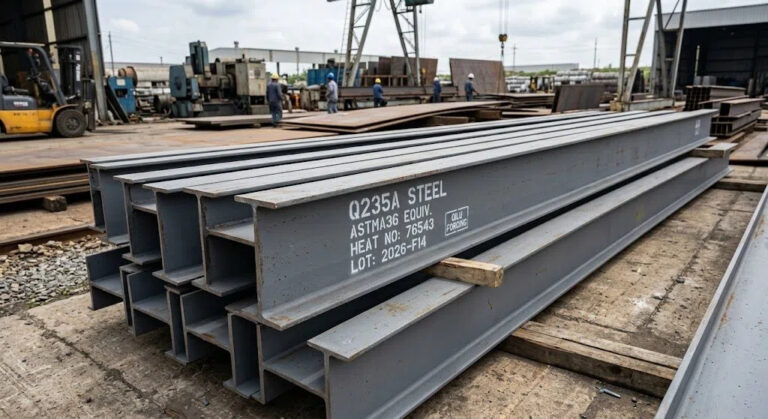
In the quest for sustainable building practices, the role of steel has become increasingly significant. Steel, a versatile and durable material, is at the forefront of modern construction, offering a range of environmental and economic benefits. This article explores how steel metals contribute to sustainable building, examining their properties, applications, and the future of steel in green construction.

The Environmental Impact of Steel Metals
Steel metals are often praised for their recyclability and longevity. Approximately 90% of steel can be recycled, reducing the demand for raw materials and minimizing waste. This section will delve into the environmental advantages of using steel in construction and how they align with sustainability goals.
Key Environmental Benefits of Steel Metals
| Benefit | Description |
|---|---|
| Recyclability | Steel can be recycled multiple times without losing quality. |
| Reduced Carbon Footprint | The production of recycled steel uses significantly less energy. |
| Longevity | Steel structures can last for decades, reducing the need for replacements. |
| Minimal Waste | Steel produce less waste during the construction process. |
Steel Metals in Energy Efficiency
Energy efficiency is a crucial aspect of sustainable building. Steel play a vital role in enhancing the energy performance of structures. This section will examine how the integration of steel in building designs can lead to significant energy savings.
Energy Efficiency Strategies Using Steel Metals
- Thermal Mass: Steel’s thermal properties help regulate indoor temperatures, reducing the need for heating and cooling.
- Structural Efficiency: Lighter steel components allow for more open spaces and better airflow, contributing to energy efficiency.
Steel Metals in Green Certifications
Various green building certifications, such as LEED (Leadership in Energy and Environmental Design), recognize the use of steel in sustainable projects. This section will explore the criteria for these certifications and how steel can help buildings achieve them.
LEED Certification and Steel Metals
- Materials and Resources: Steel contribute to the points needed for sustainable materials.
- Energy and Atmosphere: Incorporating steel can enhance a building’s energy performance, earning additional credits.
The Economic Benefits of Using Steel Metals
Sustainable building practices not only benefit the environment but also offer economic advantages. This section will discuss how using steel metals can lead to cost savings in the long run.
Economic Advantages of Steel Metals
| Advantage | Description |
|---|---|
| Lower Maintenance | Steel structures require less maintenance over time. |
| Faster Construction | Pre-fabricated steel components speed up the building process. |
| Cost-Effectiveness | The initial investment in steel pays off through longevity and durability. |
Challenges in the Use of Steel Metals
Despite their numerous benefits, the use of steel metals in sustainable building is not without challenges. This section will highlight some of the obstacles faced by builders and how they can be overcome.
Common Challenges
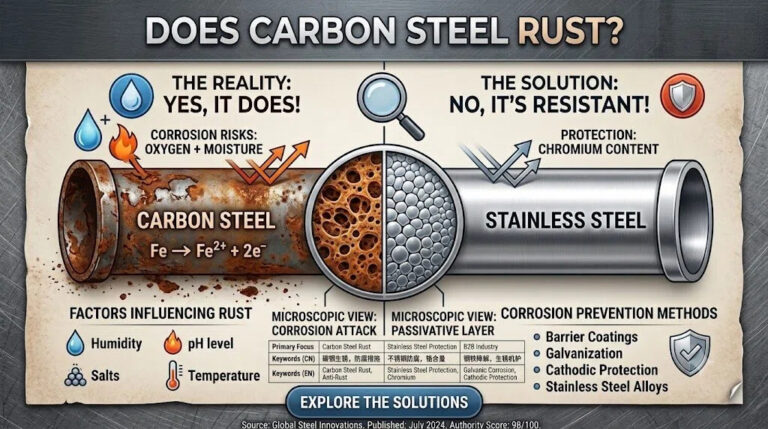
- Corrosion: Steel is prone to corrosion, which can be mitigated through protective coatings.
- Energy Consumption: While recycling steel is energy-efficient, the initial production still requires substantial energy.
The Future of Steel Metals in Sustainable Building
As technology advances, the potential for steel in sustainable construction continues to grow. This section will explore emerging trends and innovations that could enhance the role of steel in future building projects.
Innovations in Steel Metals
- Smart Steel: Integration of sensors in steel structures for monitoring health and performance.
- Advanced Coatings: Development of new coatings that improve durability and energy efficiency.
Conclusão
Steel are indispensable in the pursuit of sustainable building practices. Their recyclability, energy efficiency, and economic advantages make them a material of choice for modern construction. While challenges remain, ongoing innovations and a commitment to sustainability will ensure that steel continues to play a vital role in shaping a greener future.
FAQ
What are steel metals?
Steel refer to various forms of steel used in construction, known for their strength, durability, and versatility.
How does steel contribute to sustainability?
Steel contributes to sustainability through its recyclability, energy efficiency, and long lifespan, reducing the overall environmental impact of buildings.
Can steel metals be used in green building certifications?
Yes, steel can help achieve points in green building certifications like LEED, contributing to sustainable construction practices.
What are the economic benefits of using steel metals?
The economic benefits include lower maintenance costs, faster construction times, and long-term cost-effectiveness due to the durability of steel.
Are there challenges associated with using steel metals?
Yes, challenges include corrosion and high energy consumption during production, but these can be mitigated with proper techniques and technologies.
How can steel metals improve energy efficiency in buildings?
Steel metals improve energy efficiency through their thermal mass properties and structural efficiency, which help regulate indoor temperatures.
What innovations are emerging in the steel industry?
Emerging innovations include smart steel with integrated sensors and advanced coatings that enhance durability and energy efficiency.
This article has covered various aspects of steel in sustainable building, highlighting their importance and potential for the future. The integration of steel in construction practices not only supports environmental goals but also provides economic advantages that benefit society as a whole.