Bem-vindo ao Meu Blog!
Antes de mergulharmos no conteúdo, EU adoraria que você se juntasse a mim em minhas plataformas de mídia social, onde compartilho mais insights, me envolva com a comunidade e publique atualizações. Veja como você pode se conectar comigo:
Facebook:https://www.facebook.com/profile.php?id=100087990137347
LinkedIn:https://www.linkedin.com/company/89825762/admin/dashboard/
YouTube:www.youtube.com/@carbonsteelsupply-kj9lw
TikTok:www.tiktok.com/@carbonsteelsupply
Agora, vamos começar nossa jornada juntos Espero que você ache o conteúdo aqui perspicaz, envolvente e valioso.
Introdução
Stainless steels are a family of iron-based alloys known for their corrosion resistance and versatility. Composed primarily of iron, carbon, and chromium, stainless steels have become essential materials in various industries, including construction, automotive, and food processing. In this blog, we will explore the different types of stainless steels, their properties, applications, and how to choose the right one for your needs.
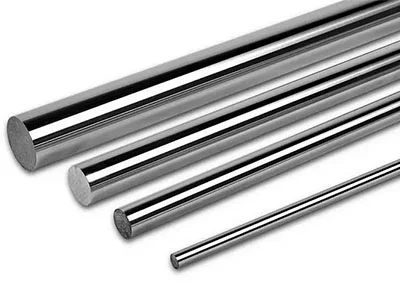
What Are Stainless Steels?
Stainless steel are categorized by their chromium content and structure. Generally, a minimum of 10.5% chromium is required for an alloy to be considered stainless. The chromium forms a passive layer of chromium oxide on the surface, which protects the underlying metal from rust and corrosion. This characteristic makes stainless steels ideal for applications where hygiene and durability are crucial.
Tipos de Stainless Steels
Stainless steel can be broadly classified into five categories: austenitic, ferritic, martensitic, duplex, and precipitation-hardening stainless steels. Each type has unique properties and applications.
Austenitic Stainless Steels
Austenitic stainless steel are the most common type, accounting for around 70% of all stainless steel production. They contain high levels of nickel and chromium, which provide excellent corrosion resistance and formability.
Key Characteristics:
- Non-magnetic
- Good weldability
- High toughness
Common Grades:
- 304: General-purpose stainless steel
- 316: Improved corrosion resistance (especially in marine environments)
Ferritic Stainless Steels
Ferritic stainless steel have a lower chromium content and no nickel. They are magnetic and generally less expensive than austenitic grades, but they are also less ductile.
Key Characteristics:
- Good resistance to stress corrosion cracking
- Limited weldability
- Magnetic properties
Common Grades:
- 430: Used in kitchenware and automotive parts
Martensitic Stainless Steels
Martensitic stainless steel have high carbon content, making them hard and strong. They are magnetic and can be heat-treated to increase hardness.
Key Characteristics:
- High strength and wear resistance
- Good hardness
- Limited corrosion resistance
Common Grades:
- 410: Used in cutlery and various tools
- 420: Known for its high hardness
Duplex Stainless Steels
Duplex stainless steel have a mixed microstructure of austenite and ferrite. They offer a balance of strength and corrosion resistance, making them suitable for demanding applications.
Key Characteristics:
- High strength
- Good resistance to pitting and stress corrosion
- Reduced risk of localized corrosion
Common Grades:
- 2205: Commonly used in oil and gas applications
Precipitation-Hardening Stainless Steels
Precipitation-hardening stainless steels are designed to achieve high strength through heat treatment. They can be classified into two categories: martensitic and austenitic.
Key Characteristics:
- High strength and hardness
- Excellent corrosion resistance
- Complex heat treatment process
Common Grades:
- 17-4 PH: Used in aerospace and chemical processing industries
Properties of Stainless Steels
Stainless steel possess several key properties that make them desirable for various applications:
Table 1: Properties of Different Types of Stainless Steels
| Property | Austenitic | Ferritic | Martensitic | Duplex | Precipitation-Hardening |
|---|---|---|---|---|---|
| Resistência à corrosão | Excelente | Good | Moderado | Very Good | Excelente |
| Ductility | Alto | Moderado | Baixo | Alto | Moderado |
| Força | Moderado | Baixo | Alto | Alto | Very High |
| Magnetic | Non-Magnetic | Magnetic | Magnetic | Magnetic | Non-Magnetic |
| Soldabilidade | Excelente | Moderado | Poor | Good | Moderado |
Applications of Stainless Steels
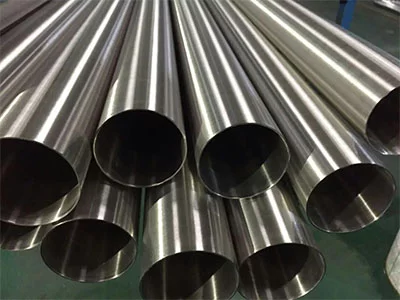
Stainless steel are utilized in a wide range of industries due to their versatility and durability.
Food Processing
Austenitic stainless steels, particularly grade 304, are commonly used in food processing equipment due to their excellent corrosion resistance and hygienic properties.
Construction
Stainless steel are increasingly used in architectural applications, such as facades and structural components, due to their aesthetic appeal and durability.
Indústria automóvel
Ferritic and duplex stainless steel are often employed in automotive exhaust systems and other components that require corrosion resistance and strength.
Medical Equipment
Martensitic stainless steel are frequently used in surgical instruments and other medical devices due to their hardness and resistance to corrosion.
Oil and Gas
Duplex stainless steel are favored in the oil and gas industry for their high strength and resistance to sour environments.
Choosing the Right Stainless Steel
Selecting the appropriate type of stainless steel depends on several factors, including:
- Application Requirements: Consider the specific environment and conditions the stainless steel will face.
- Corrosion Resistance Needs: Determine the level of corrosion resistance required for the application.
- Mechanical Properties: Assess the strength and ductility needed for the project.
- Cost Considerations: Balance performance with budget constraints.
Conclusão
Understanding the different types of stainless steel is crucial for selecting the right material for your project. From the versatility of austenitic stainless steels to the strength of martensitic grades, each type has its own unique properties and applications. By considering factors such as corrosion resistance, mechanical properties, and cost, you can make informed decisions that meet your specific needs.
FAQ
What is the most commonly used stainless steel?
Austenitic stainless steel, particularly grade 304, are the most commonly used due to their excellent corrosion resistance and versatility.
Can stainless steel rust?
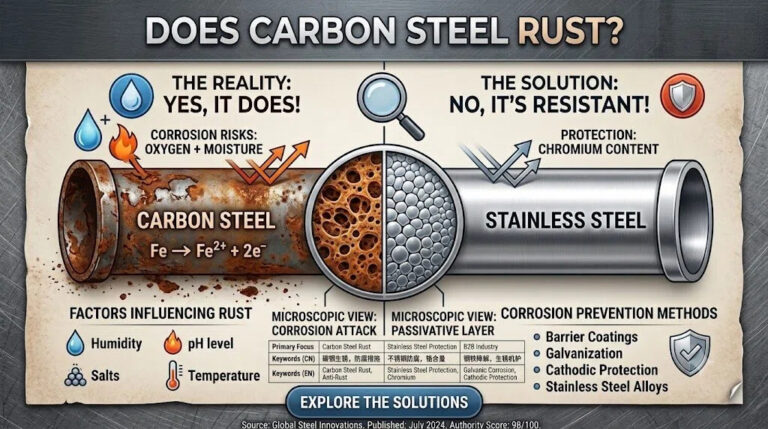
While stainless steel are resistant to rust, they can corrode under certain conditions, such as exposure to chlorides or prolonged moisture.
How do I clean stainless steel?
Use mild soap and water for routine cleaning. For tougher stains, a non-abrasive cleaner or vinegar can be effective.
What is the difference between austenitic and ferritic stainless steels?
Austenitic stainless steel contain nickel and have high corrosion resistance and ductility, while ferritic stainless steels have lower chromium content and are magnetic.
Are stainless steels recyclable?
Yes, stainless steels are highly recyclable and can be melted down and repurposed without losing their properties.
By understanding the various types of stainless steels and their applications, you can ensure that you choose the right material for your specific needs, enhancing performance and longevity in your projects.