Bem-vindo ao Meu Blog!
Antes de mergulharmos no conteúdo, EU adoraria que você se juntasse a mim em minhas plataformas de mídia social, onde compartilho mais insights, me envolva com a comunidade e publique atualizações. Veja como você pode se conectar comigo:
Facebook:https://www.facebook.com/profile.php?id=100087990137347
LinkedIn:https://www.linkedin.com/company/89825762/admin/dashboard/
YouTube:www.youtube.com/@carbonsteelsupply-kj9lw
TikTok:www.tiktok.com/@carbonsteelsupply
Agora, vamos começar nossa jornada juntos Espero que você ache o conteúdo aqui perspicaz, envolvente e valioso.
Índice
Introdução

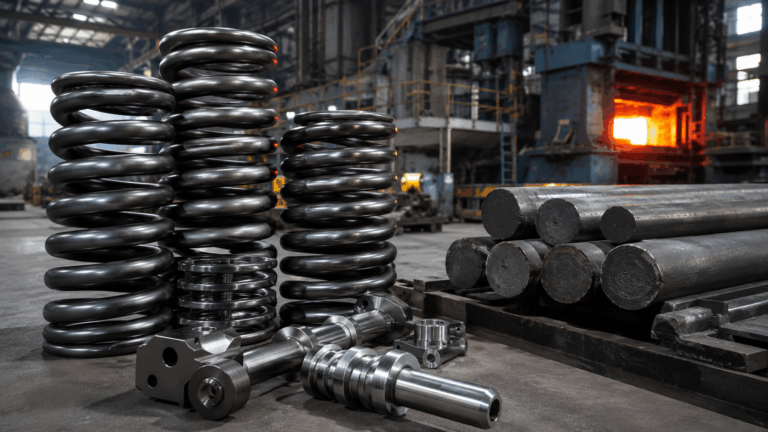
Spring steel is a widely used material in various industries due to its excellent elasticity, high yield strength, and ability to return to its original shape after bending or twisting. It is commonly used in applications such as automotive components, industrial machinery, and construction. But what makes spring steel so unique? The answer lies in its composition.
The composition of spring steel plays a crucial role in its mechanical properties and performance. Understanding its elements and environmental benefits can help manufacturers and engineers choose the right type for their needs. This article explores the composition of spring steel, its applications, advantages, and how it contributes to sustainable practices.
What Is the Composition of Aço mola?
Spring steel is typically an alloy containing carbon, silicon, manganese, and other elements that enhance its elasticity and strength. The specific composition varies depending on the type and intended use.
Conteúdo de carbono
Carbon is the primary element in spring steel, typically ranging from 0.5% to 1.0%. A higher carbon content increases hardness and strength while maintaining flexibility.
Silicon and Manganese
Silicon improves elasticity, making the steel more resistant to deformation. Manganese enhances hardenability and wear resistance, ensuring long-term durability.
Chromium and Vanadium
Some spring steels contain chromium and vanadium to improve toughness and resistance to corrosion, which is crucial for outdoor and high-stress applications.
Other Alloying Elements
Nickel and molybdenum may be added to enhance toughness and temperature resistance, making the steel suitable for extreme conditions.
Environmental Benefits of Spring Steel
Sustainability is a growing concern in modern industries, and spring steel offers several environmental advantages.
Energy Efficiency in Production
Compared to other high-strength materials, spring steel requires less energy-intensive processing. Its ability to maintain strength with lower alloying content reduces the need for excessive raw material extraction.
Longevity and Recyclability
Spring steel’s durability extends the lifespan of products, reducing waste. Additionally, it is highly recyclable, minimizing environmental impact when components reach the end of their lifecycle.
Reduced Material Waste
Due to its excellent mechanical properties, manufacturers can use thinner sections of spring steel while maintaining strength, reducing overall material consumption.
Applications of Spring Steel
Spring steel is used across various industries due to its excellent strength and elasticity. Here are some common applications:
Indústria automóvel
Spring steel is used in suspension systems, clutch springs, and valve springs due to its ability to withstand repeated stress without deforming.
Construction and Engineering
It is employed in structural components, bridge reinforcement, and industrial machinery where high tensile strength is required.
Tools and Blades
Many cutting tools, saw blades, and hand tools are made from spring steel because of its hardness and resistance to wear.
Agriculture and Farming Equipment
Plow blades, harrow discs, and other agricultural machinery parts rely on spring steel for strength and durability.
Consumer Goods
Items such as measuring tapes, lock mechanisms, and even musical instruments use spring steel for its flexibility and resilience.
Composition of Different Types of Spring Steel


The composition of spring steel varies based on its specific type and application. The following table provides a general comparison of different spring steel compositions.
| Type of Spring Steel | Carbon (%) | Silicon (%) | Manganese (%) | Chromium (%) | Other Elements |
|---|---|---|---|---|---|
| 65Mn | 0.62-0.70 | 0.17-0.37 | 0.90-1.20 | – | Small amounts of sulfur and phosphorus |
| 60Si2Mn | 0.56-0.64 | 1.50-2.00 | 0.60-0.90 | – | Small amounts of sulfur and phosphorus |
| 50CrV4 | 0.47-0.55 | 0.15-0.35 | 0.70-1.10 | 0.80-1.10 | Vanadium (0.10-0.25) |
| SUP10 | 0.47-0.55 | 0.15-0.35 | 0.70-1.10 | 0.80-1.10 | Nickel and molybdenum traces |
| SK5 | 0.80-0.90 | 0.10-0.35 | 0.10-0.50 | – | Small amounts of sulfur and phosphorus |
How to Choose the Right Spring Steel for Your Needs

Selecting the right spring steel depends on the intended application, required strength, and environmental conditions.
Consider the Load and Stress Requirements
If the material will experience heavy loads or repetitive stress, high-carbon spring steel with additional alloying elements may be necessary.
Assess Corrosion Resistance Needs
For outdoor or humid environments, spring steel with chromium or vanadium can help prevent rust and extend longevity.
Evaluate Processing and Manufacturing Requirements
Some spring steels are easier to machine and form than others. Consider the ease of cutting, welding, and heat treatment when choosing a material.
Sustainability and Environmental Impact
Opt for spring steel with high recyclability and lower processing emissions to align with eco-friendly manufacturing practices.
Conclusão
Understanding the composition of spring steel is essential for selecting the right material for various applications. The combination of carbon, silicon, manganese, and other elements gives spring steel its unique properties of strength, flexibility, and durability.
In addition to its mechanical advantages, spring steel is also an environmentally friendly choice due to its recyclability and energy-efficient production process. Whether used in automotive, construction, tools, or agricultural equipment, spring steel remains a reliable and sustainable material. If you need more information, please feel free to contactar-nos.
FAQ
What is the composition of spring steel?
Spring steel typically contains carbon (0.5-1.0%), silicon, manganese, and sometimes chromium or vanadium, depending on its application.
How does the composition of spring steel affect its properties?
The elements in spring steel determine its hardness, elasticity, and resistance to wear and corrosion. Higher carbon content increases strength, while silicon improves elasticity.
Is spring steel environmentally friendly?
Yes, spring steel is recyclable, has a long lifespan, and requires less energy-intensive processing compared to other high-strength materials.
What are the main uses of spring steel?
Spring steel is used in automotive parts, industrial machinery, tools, agricultural equipment, and consumer goods due to its high strength and flexibility.
How do I choose the right composition of spring steel for my project?
Consider the load requirements, environmental exposure, manufacturing needs, and sustainability factors when selecting the right type of spring steel.