Bem-vindo ao Meu Blog!
Antes de mergulharmos no conteúdo, EU adoraria que você se juntasse a mim em minhas plataformas de mídia social, onde compartilho mais insights, me envolva com a comunidade e publique atualizações. Veja como você pode se conectar comigo:
Facebook:https://www.facebook.com/profile.php?id=100087990137347
LinkedIn:https://www.linkedin.com/company/89825762/admin/dashboard/
YouTube:www.youtube.com/@carbonsteelsupply-kj9lw
TikTok:www.tiktok.com/@carbonsteelsupply
Agora, vamos começar nossa jornada juntos Espero que você ache o conteúdo aqui perspicaz, envolvente e valioso.
Índice
Introdução
Ever wondered why some steel tools rust more or crack under pressure? The difference between carbon steel and alloy steel lies at the heart of performance, durability, and application.
In this guide, we’ll break down their compositions, properties, pros and cons, and help you choose the right steel grade for your project—whether it’s for construction, manufacturing, automotive parts, or custom products.
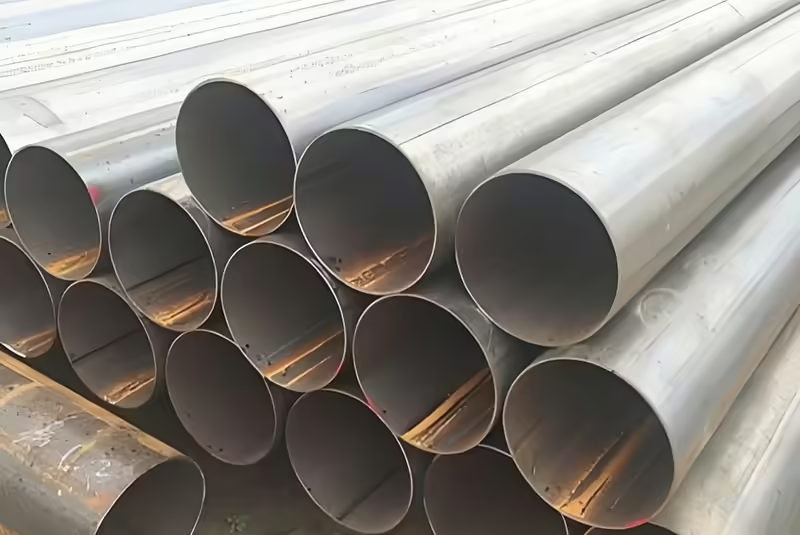
What is carbon steel?
Carbon steel is primarily iron alloyed with varying carbon content (typically 0.05–2.1%). Based on carbon percentage, it’s categorized into:
- Low-carbon (mild) steel: 0.05–0.3% carbon
- Medium-carbon steel: 0.3–0.6% carbon
- High-carbon steel: 0.6–1.0% carbon
Each type serves different purposes: low-carbon for sheet metal and structural components; medium-carbon for shafts and forged parts; and high-carbon steel for cutting tools, springs, and blades.
Why carbon content matters
Carbon strengthens steel by increasing hardness and tensile strength but reduces ductility and weldability. For example, a high-carbon blade may hold a sharp edge longer but is more brittle—ideal for cutting tools that require stiffness.
What is alloy steel?
Alloy steel includes carbon steel with additional elements (≥1%) like chromium, nickel, molybdenum, vanadium, or manganese. These extra elements significantly enhance properties:
- Chromium: improves corrosion and wear resistance
- Nickel: adds toughness and impact resistance
- Molybdenum: boosts strength at high temperatures
- Vanadium and manganese: refine grain structure and add strength
Alloy steel is often classified into low-, medium-, and high-alloy grades depending on total alloying content.
Benefits of alloy additions
The added elements in alloy steel enhance:
- Strength under extreme stress
- Resistance to heat, wear, and corrosion
- Machinability and weldability
These improvements come at a slight increase in cost and processing complexity.
Comparing key properties: carbon vs. alloy
| Property | Aço Carbono | Liga Aço |
|---|---|---|
| Ultimate tensile strength | ~400–800 MPa (varies by carbon level) | ~500–1,500 MPa (depends on alloying elements) |
| Hardness (HB scale) | Mild: ~120 HB; High-carbon: ~300 HB | Can exceed ~400–600 HB with heat treatment |
| Wear resistance | Moderate, prone to oxidation | Excellent with chromium, manganese, vanadium |
| Impact toughness | Good (low-carbon), brittle (high-carbon) | High with nickel, molybdenum additions |
| Corrosion resistance | Poor without coatings | Enhanced with chromium (stainless alloys) |
| Weldability & formability | Excellent in mild grades | Varies—some need preheating or special techniques |
| Price per ton | Lower cost | Higher due to alloy content and processing |
| This table highlights the differences between the two steel categories to guide your selection. |
Performance in real-world applications
Structural and fabrication uses
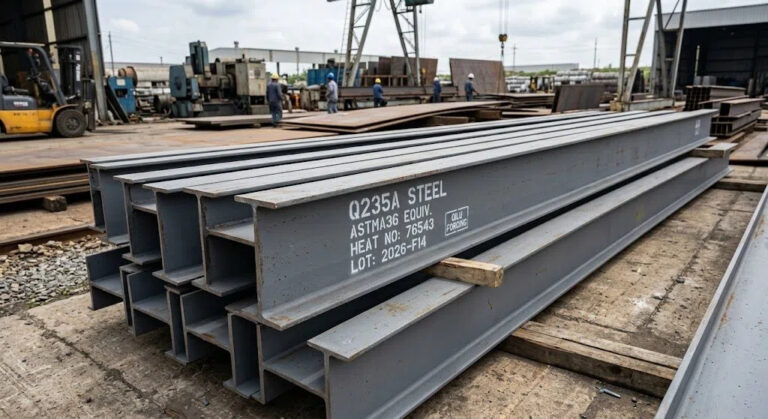
When building frames, shelving, or moderate-load structures, low-carbon steel is often the go-to choice due to its weldability and ductility.
Toolmaking and industrial machinery
High-carbon steel excels in cutting tools, springs, and wear parts. Alloy steel—especially with vanadium and chromium—is used for high-performance gears, bearings, and heavy-duty components.
Pressure and high-temperature environments
For parts in steam turbines, marine equipment, or engines, alloy steel with molybdenum and nickel provides necessary strength and heat resistance.
Corrosion-prone environments
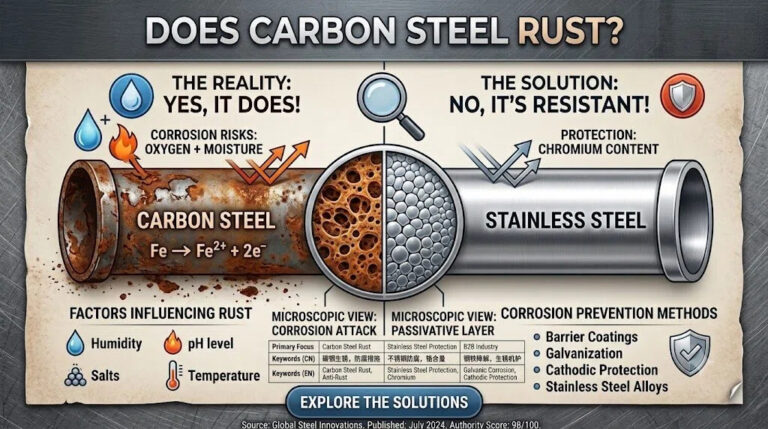
When exposed to moisture, chemicals, or salt, alloy steel with chromium (≥12%) is preferred—known for long-term resistance to rust and degradation.
Fabrication considerations
Heat treatment
Both carbon and alloy steel benefit from quenching and tempering. Alloy steel, however, may require more precise heat control to balance hardness and toughness.
Machining and welding
Low-carbon steel is easy to machine and weld. Alloy steel’s weldability varies—adding elements like molybdenum or silicon can make joint preparation and preheating essential.
Cost and processing
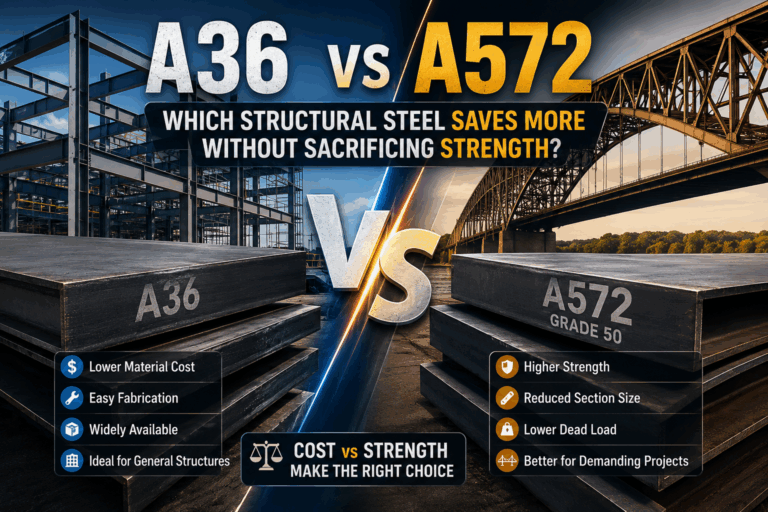
While carbon steel is cheaper and widely available, alloy steel justifies its cost through better performance in demanding applications. Manufacturing costs may rise, but lifecycle savings offset this.
Mid-article table: selecting steel by application
| Aplicação | Recommended Steel Type | Why |
|---|---|---|
| Building structural beams | Low-carbon steel | Cost-effective & weldable |
| High-strength shafts | Medium-carbon steel with alloying (manganese) | Good balance of strength & toughness |
| Cutting tools and blades | High-carbon steel | High hardness for edge retention |
| Gears and bearings | Alloy steel (chromium, molybdenum included) | Wear resistance and toughness |
| Maintenance-free outdoor parts | Stainless alloy steel (cr ≥12%) | Corrosion resistance without coating |
| Hot working conditions | Heat-resistant alloy steel (nickel, molybdenum) | Maintains strength at high temps |

Cost vs. performance: making smart choices
Raw material cost: carbon steel ~10–20% cheaper per ton.
Lifecycle impact: alloy steel reduces failures, repair downtime, and replacement costs. For example, using alloyed gears can lower maintenance downtime by up to 40%, based on industrial maintenance records.
Environmental impact and sustainability
Longer lifespan and fewer replacements decrease manufacturing demand and waste. Alloy steel’s recyclability aligns with sustainable practices. Using the right steel type lowers environmental footprint over time.
Choosing the right steel: a step-by-step guide
- Define functional requirements: Identify loads, temperature, corrosion, and wear factors
- Select carbon vs. alloy steel: Based on performance needs
- Choose formulation: For alloy steel, pick suitable elements like Cr, Ni, Mo
- Heat treatment plan: Hardening, tempering, annealing needs
- Design for fabrication: Welding, machining, joint prep
- Lifecycle cost analysis: Consider performance gains vs. material price
- Supplier and certification: Ensure material traceability and grade verification
Conclusão
Choosing between carbon steel and alloy steel affects strength, durability, fabrication, and cost. If you value budget and weldability, carbon steel works great for many applications. But when you need extra toughness, heat or corrosion resistance, alloy steel is worth the investment. By aligning your choice with functional needs and lifecycle goals, you optimize performance and ROI.
FAQ
Can carbon steel rust less if coated?
Yes—coatings, galvanizing, or painting improve corrosion resistance. But scratches or wear can expose the base steel.
Is alloy steel harder to machine?
Some high-alloy grades (like chromium-molybdenum steels) are tougher to cut and require coated tools, slower speeds, or chill setups.
When should I use high-carbon vs. alloy steel?
High-carbon is ideal for cutting tools and springs. If your tool also needs corrosion or impact resistance, the right alloy steel is better.
Is welding alloy steel more complex?
Yes, especially with high-alloy steel—it might need preheating, controlled filler materials, and post-weld heat treatment.
Which steel gives better longevity?
Alloy steel generally lasts longer in harsh environments—tougher, more wear-resistant, and less prone to fatigue.