Bem-vindo ao Meu Blog!
Antes de mergulharmos no conteúdo, EU adoraria que você se juntasse a mim em minhas plataformas de mídia social, onde compartilho mais insights, me envolva com a comunidade e publique atualizações. Veja como você pode se conectar comigo:
Facebook:https://www.facebook.com/profile.php?id=100087990137347
LinkedIn:https://www.linkedin.com/company/89825762/admin/dashboard/
YouTube:www.youtube.com/@carbonsteelsupply-kj9lw
TikTok:www.tiktok.com/@carbonsteelsupply
Agora, vamos começar nossa jornada juntos Espero que você ache o conteúdo aqui perspicaz, envolvente e valioso.
Introdução
Alloy steel plays a pivotal role in modern manufacturing processes due to its remarkable properties that cater to various industrial applications. Whether it’s in automotive, construction, or aerospace industries, understanding the alloy steel characteristics is crucial for manufacturers aiming to optimize product performance. In this blog, we’ll explore the key benefits of alloy steel in manufacturing, breaking down its essential characteristics and their impact across industries. We’ll also answer frequently asked questions to clarify any doubts.
What Are Alloy Steel Characteristics?
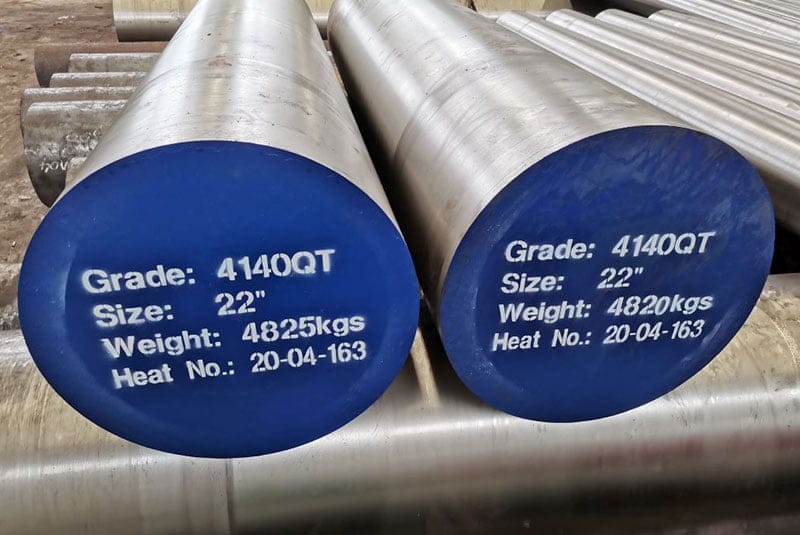
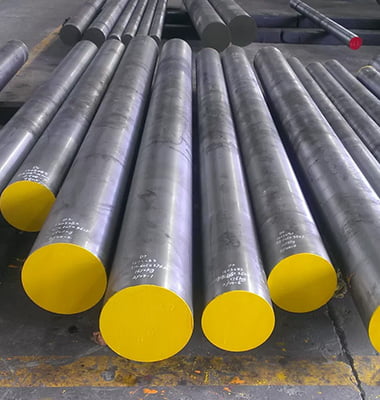
Alloy steel is a type of steel that contains additional elements such as chromium, nickel, vanadium, or molybdenum, added to enhance its mechanical and chemical properties. These elements provide distinct alloy steel characteristics that improve strength, durability, corrosion resistance, and much more.
Key Alloy Steel Characteristics
Alloy steel’s characteristics depend largely on the types and amounts of alloying elements. These characteristics offer manufacturers specific advantages that can’t be matched by other materials. Below, we break down the most critical alloy steel characteristics:
Strength and Toughness
One of the most important alloy steel characteristics is its high strength and toughness. By adjusting the alloying elements, manufacturers can enhance the tensile strength and hardness of steel, making it ideal for applications that require durability, such as in automotive or construction equipment.
Resistência à corrosão
Another significant characteristic is its corrosion resistance. Alloying elements like chromium make alloy steel highly resistant to rust and oxidation, which is why it’s often used in environments that are exposed to moisture or chemicals.
Heat Resistance
Alloy steel can withstand high temperatures without losing its strength, a characteristic essential for applications in industries such as aerospace and power generation. The addition of elements like molybdenum and vanadium provides improved heat resistance.
Ductility and Malleability
Ductility refers to the ability of the material to be stretched without breaking, while malleability is its ability to be molded into different shapes. Both of these alloy steel characteristics make the material versatile in manufacturing processes, particularly in industries that require forming or welding.
Wear Resistance
Thanks to the addition of elements like tungsten, alloy steel boasts superior wear resistance. This makes it suitable for heavy-duty applications like mining and construction equipment that face constant wear and tear.
Alloy Steel Characteristics: Benefits in Manufacturing
-
 31CrMoV9/1.8519 Alloy Steel
 -
 Aço de liga 17CrNiMo6/1.6587
 -
 25CrMo4/1.7218/SCM430 Alloy Steel
 -
 8620/1.6523/20CrNiMoA/SNCM220 Alloy Steel
 -
 Aço de liga 18CrNiMo7-6/17CrNiMo6/1.6587
 -
 18CrMo4/1.7243 Alloy Steel
 -
 30CrNiMo8/1.6580 Alloy Steel
 -
 36CrNiMo4/1.6511/SNCM439/EN24 Liga de Aço
 -
 Aço de liga 34CrNiMo6/1.6582
The specific alloy steel characteristics play a crucial role in boosting efficiency in manufacturing. Manufacturers can optimize their processes and create higher-quality products by selecting the right type of alloy steel.
Reduced Material Failure
One key benefit is the reduction in material failure. The strength and toughness of alloy steel reduce the likelihood of part breakage or failure during production, minimizing downtime and repair costs.
Versatility Across Applications
From automotive to aerospace, the versatility of alloy steel allows manufacturers to tailor it to their specific needs. Different combinations of alloying elements produce steel with properties best suited for various applications, making it a cost-effective option.
Enhanced Product Durability
Products made from alloy steel tend to have a longer lifespan due to their superior wear resistance, heat resistance, and corrosion resistance. This characteristic makes alloy steel an ideal choice for long-lasting industrial components.
A Comparative Table of Alloy Steel Characteristics by Type
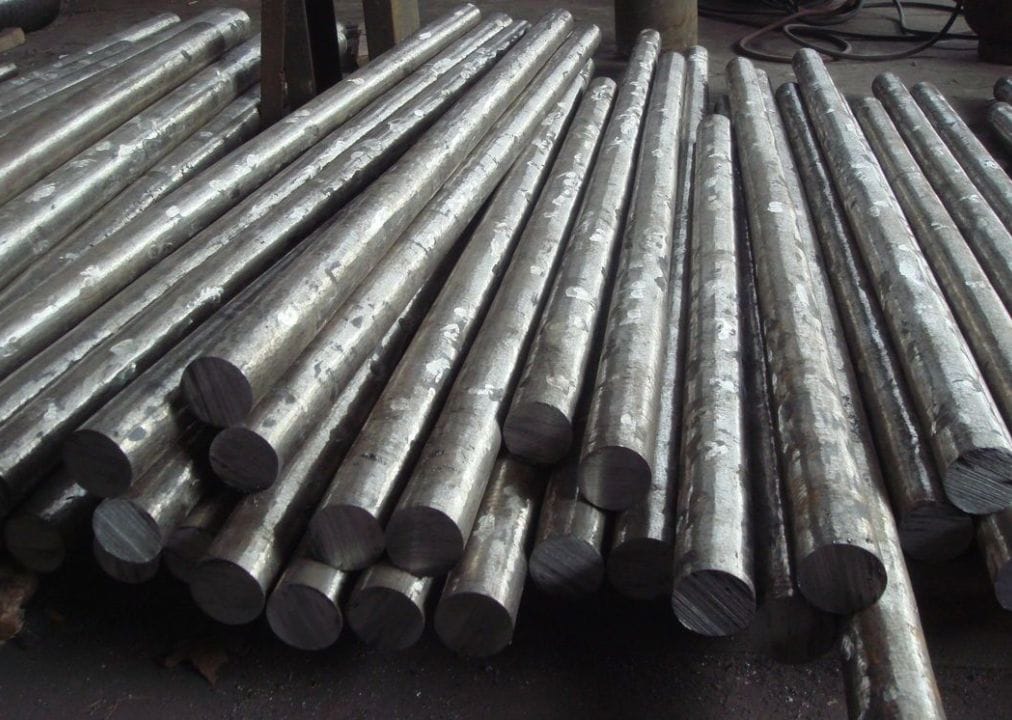
The following table provides a comparative look at the different types of alloy steel and the specific characteristics they offer:
| Type of Alloy Steel | Key Alloying Elements | Characteristics | Applications |
|---|---|---|---|
| Chromium Steel | Chromium | High corrosion resistance, strength | Automotive, chemical processing |
| Nickel Steel | Nickel, chromium | High toughness, low-temperature use | Aerospace, cryogenic applications |
| Vanadium Steel | Vanadium, carbon | Superior wear resistance, strength | Mining equipment, heavy machinery |
| Molybdenum Steel | Molybdenum | Heat resistance, increased hardness | Power generation, high-temperature parts |
| Tungsten Steel | Tungsten, carbon | Exceptional wear resistance | Cutting tools, mining |
Conclusão
Alloy steel’s unique characteristics make it an invaluable material in the manufacturing world. Its ability to withstand extreme conditions, resist corrosion, and offer high durability ensures that products made from it will perform exceptionally well across various industries. By understanding the critical alloy steel characteristics, manufacturers can make informed decisions about the materials they use, optimizing their processes and ensuring better performance and longevity of their products.
FAQ
What are the primary benefits of using alloy steel in manufacturing?
The primary benefits include enhanced strength, toughness, corrosion resistance, and wear resistance, making it a durable and reliable material for various industrial applications.
How does the composition of alloy steel impact its characteristics?
The alloying elements added to steel, such as chromium, nickel, and molybdenum, greatly affect its mechanical and chemical properties, including strength, heat resistance, and corrosion resistance.
Can alloy steel be used in high-temperature environments?
Yes, specific types of alloy steel, such as those containing molybdenum and tungsten, offer excellent heat resistance, making them ideal for high-temperature applications like power generation and aerospace.
How does alloy steel compare to carbon steel?
Alloy steel generally offers superior properties compared to carbon steel, including better corrosion resistance, higher strength, and improved wear resistance. This makes it more suitable for demanding industrial applications.
What industries benefit most from alloy steel’s characteristics?
Industries such as automotive, aerospace, construction, mining, and power generation benefit significantly from the characteristics of alloy steel due to its strength, versatility, and durability.