Bem-vindo ao Meu Blog!
Antes de mergulharmos no conteúdo, EU adoraria que você se juntasse a mim em minhas plataformas de mídia social, onde compartilho mais insights, me envolva com a comunidade e publique atualizações. Veja como você pode se conectar comigo:
Facebook:https://www.facebook.com/profile.php?id=100087990137347
LinkedIn:https://www.linkedin.com/company/89825762/admin/dashboard/
YouTube:www.youtube.com/@carbonsteelsupply-kj9lw
TikTok:www.tiktok.com/@carbonsteelsupply
Agora, vamos começar nossa jornada juntos Espero que você ache o conteúdo aqui perspicaz, envolvente e valioso.
Índice
Introdução
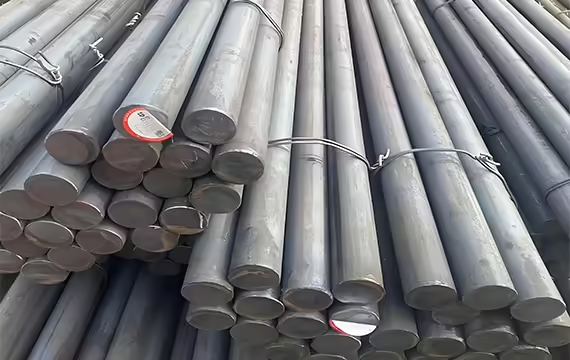
Alloy steel is a type of steel combined with alloying elements like chromium, nickel, molybdenum, vanadium, or manganese to enhance its mechanical and chemical properties. Unlike carbon steel, which primarily relies on carbon content, the characteristics of alloy steel are tailored through precise combinations of alloying elements, heat treatments, and processing techniques. These characteristics include improved tensile strength, fatigue resistance, wear resistance, and adaptability to extreme environments, making alloy steel indispensable in high-performance applications.
Understanding the characteristics of alloy steel is essential for selecting the right material for specific projects. This guide covers the key mechanical properties, types of alloy steel, and their applications, providing a detailed look at how alloying elements and treatments shape performance.
Why the Characteristics of Liga Aço Matter
Superior Strength and Toughness
One of the defining characteristics of alloy steel is its exceptional strength and toughness. Alloying elements like chromium and molybdenum increase the material’s ability to withstand high loads and resist fracture under stress. This makes alloy steel ideal for components like gears, shafts, and pressure vessels, where durability is critical.
Enhanced Wear and Corrosion Resistance
The characteristics of alloy steel often include improved resistance to wear and corrosion, particularly in grades containing nickel or chromium. These properties are vital for applications exposed to abrasive conditions or harsh environments, such as marine equipment or chemical processing plants, where longevity and reliability are paramount.
Adaptability to Heat Treatment
Another key characteristic of alloy steel is its responsiveness to heat treatment processes like quenching, tempering, and annealing. These processes allow engineers to fine-tune hardness, ductility, and toughness, tailoring the material to specific performance requirements. This adaptability ensures alloy steel meets diverse engineering needs.
Tipos de Liga Aço and Their Characteristics
Low-Alloy Steel
Low-alloy steel contains a small percentage of alloying elements (typically less than 8%) and is designed for applications requiring a balance of strength, toughness, and cost-effectiveness. The characteristics of alloy steel in this category include good weldability and formability, making it suitable for structural components in construction and pipelines.
High-Alloy Steel
High-alloy steel, such as stainless steel, contains a higher proportion of alloying elements (often exceeding 10%), resulting in superior corrosion resistance and strength. The characteristics of alloy steel in this group make it ideal for aerospace components, medical instruments, and chemical processing equipment, where environmental resistance is critical.
Tool and Die Steel
Tool and die steel is engineered for extreme hardness and wear resistance, often incorporating elements like vanadium or tungsten. The characteristics of alloy steel in this category include high compressive strength and durability, making it perfect for cutting tools, molds, and dies used in manufacturing.
Comparison Table of Alloy Steel Types
| Alloy Steel Type | Key Alloying Elements | Primary Applications | Characteristics of Alloy Steel | Limitations |
|---|---|---|---|---|
| Low-Alloy Steel | Manganese, Chromium, Nickel | Construction, Pipelines | Good strength, weldability, cost-effective | Limited corrosion resistance |
| High-Alloy Steel | Chromium, Nickel, Molybdenum | Aerospace, Medical Devices | Excellent corrosion resistance, high strength | Higher cost, complex processing |
| Tool and Die Steel | Vanadium, Tungsten, Cobalt | Cutting Tools, Molds | Extreme hardness, wear resistance | Brittle, expensive to machine |
This table summarizes the characteristics of alloy steel across different types, highlighting their applications and limitations. Selecting the appropriate type depends on factors like environmental conditions, mechanical requirements, and project constraints.
Factors Influencing the Characteristics of Alloy Steel
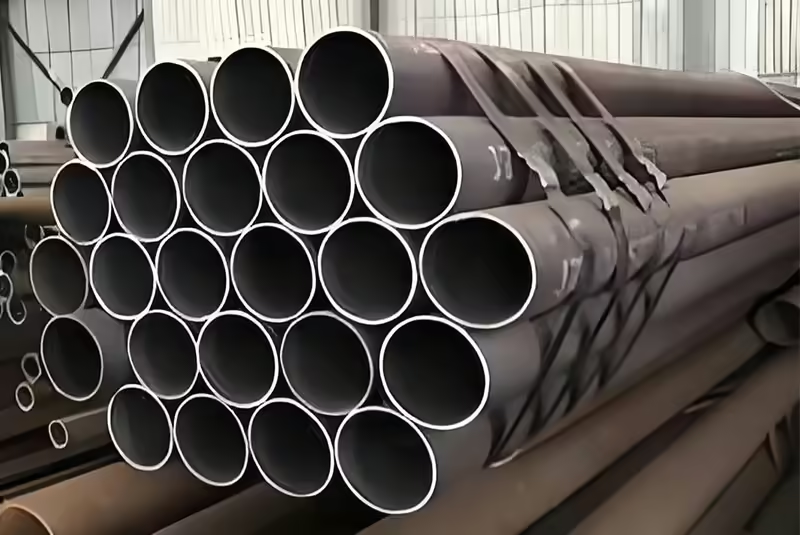
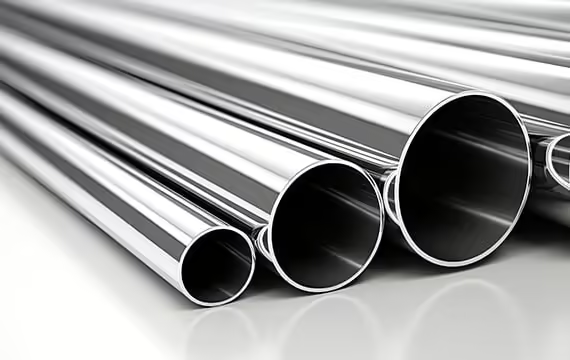
Alloying Elements and Their Effects
The characteristics of alloy steel are heavily influenced by the type and proportion of alloying elements. For example:
- Chromium enhances corrosion resistance and hardness.
- Nickel improves toughness and low-temperature performance.
- Molybdenum boosts strength and resistance to high-temperature creep.
- Vanadium increases wear resistance and fatigue strength. By adjusting these elements, manufacturers can tailor alloy steel to meet specific performance criteria.
Heat Treatment Processes
Heat treatment significantly alters the characteristics of alloy steel. Processes like quenching and tempering enhance hardness and strength, while annealing improves ductility and reduces internal stresses. The choice of heat treatment depends on the desired balance of mechanical properties for the application.
Manufacturing Techniques
The production method, such as forging, casting, or rolling, also affects the characteristics of alloy steel. Forged alloy steel typically exhibits superior grain structure and strength, while cast alloy steel may offer complex shapes but lower mechanical consistency. Advanced techniques like powder metallurgy can further refine properties for precision applications.
Applications of Alloy Steel Based on Its Characteristics
Automotive and Transportation
The characteristics of alloy steel, such as high strength-to-weight ratio and fatigue resistance, make it a cornerstone of the automotive industry. Components like crankshafts, axles, and suspension systems rely on alloy steel to withstand repetitive stress and ensure safety.
Aerospace and Defense
In aerospace, the characteristics of alloy steel, particularly in high-alloy grades, enable the production of lightweight, corrosion-resistant components like turbine blades and landing gear. These properties are critical for withstanding extreme temperatures and mechanical loads.
Energy and Infrastructure
Alloy steel’s durability and resistance to environmental factors make it ideal for energy and infrastructure projects. Pipelines, pressure vessels, and wind turbine components benefit from the characteristics of alloy steel, ensuring long-term performance in harsh conditions.
Manufacturing and Tooling
The characteristics of alloy steel in tool and die grades, such as hardness and wear resistance, are essential for manufacturing processes. Cutting tools, molds, and dies made from alloy steel maintain precision and durability during high-volume production.
How to Select Alloy Steel Based on Its Characteristics
Matching Properties to Application
When choosing alloy steel, align its characteristics with the application’s requirements. For example, select high-alloy steel for corrosion-prone environments or tool steel for high-wear tasks. Consider factors like load, temperature, and exposure to chemicals to ensure optimal performance.
Balancing Performance and Cost
While high-alloy steel offers superior characteristics, it may not always be cost-effective. Low-alloy steel can provide adequate performance for less demanding applications, reducing expenses without compromising quality. Evaluate budget constraints alongside performance needs.
Consulting Material Standards
Refer to standards like ASTM, SAE, or ISO to ensure the alloy steel meets industry specifications. These standards define the characteristics of alloy steel grades, ensuring consistency and reliability for critical applications.
Maintenance and Care for Alloy Steel Components
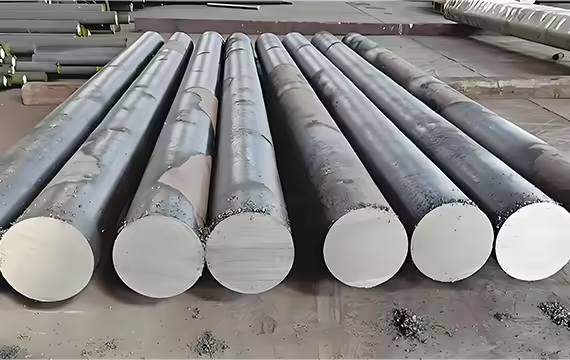
Preventing Corrosion
While some alloy steels have excellent corrosion resistance, proper maintenance is still necessary. Apply protective coatings, store components in dry environments, and avoid prolonged exposure to corrosive substances to preserve the characteristics of alloy steel.
Regular Inspection and Testing
Periodically inspect alloy steel components for signs of wear, fatigue, or cracking. Non-destructive testing methods, such as ultrasonic or magnetic particle testing, can detect issues early, ensuring the material’s characteristics remain intact.
Manuseamento e armazenamento adequados
Handle alloy steel components carefully to avoid surface damage, which can compromise their characteristics. Store materials in controlled environments to prevent oxidation or contamination, especially for high-alloy and tool steels.
Conclusão
The characteristics of alloy steel—strength, toughness, wear resistance, and adaptability—make it a cornerstone of modern engineering. By understanding the types of alloy steel, their mechanical properties, and their applications, professionals can select the right material for any project, from automotive components to aerospace structures. Proper selection, combined with careful maintenance, ensures that alloy steel performs reliably in demanding conditions. As industries continue to innovate, the characteristics of alloy steel will remain critical to building durable, efficient, and high-performing solutions.
FAQ
How do alloying elements affect the characteristics of alloy steel?
Alloying elements modify the characteristics of alloy steel by improving specific properties. For example, chromium enhances corrosion resistance, nickel improves toughness, and vanadium increases wear resistance, allowing customization for various needs.
What is the difference between low-alloy and high-alloy steel?
Low-alloy steel contains less than 8% alloying elements and offers good strength and weldability, while high-alloy steel, with over 10% alloying elements, provides superior corrosion resistance and strength, suited for demanding applications.
Can the characteristics of alloy steel be altered after manufacturing?
Yes, heat treatments like quenching, tempering, or annealing can modify the characteristics of alloy steel, adjusting hardness, ductility, or toughness to meet specific performance requirements.
What industries rely on the characteristics of alloy steel?
Industries like automotive, aerospace, energy, construction, and manufacturing depend on the characteristics of alloy steel for components requiring strength, durability, and resistance to wear or corrosion.
How do I choose the right alloy steel for my project?
Select alloy steel based on the application’s mechanical and environmental requirements. Consider the characteristics of alloy steel, such as strength or corrosion resistance, and consult industry standards to ensure compatibility.